Wildlife Holidays – Your Gateway to Africa's Wildlife
Wildlife holidays in Africa offer UK travellers the opportunity to witness some of the world's most incredible animals in their natural habitats. From the iconic Big Five to the world's fastest land animal (cheetah) and the world's tallest (giraffe), African safaris provide unparalleled wildlife viewing experiences.
Whether you're seeking close encounters with elephants in Amboseli, witnessing the Great Migration in the Masai Mara, or tracking leopards in the Sabi Sands, our wildlife holidays are designed to showcase Africa's diverse and magnificent wildlife. All our packages include expert guides, comfortable accommodation, and ATOL protection for complete peace of mind.
Understanding wildlife behaviour, the best destinations for specific animals, and optimal viewing times can significantly enhance your wildlife holiday experience. Our comprehensive guides help UK travellers plan the perfect safari adventure tailored to their wildlife interests.
The Big Five – Africa's Most Iconic Wildlife
The Big Five – lion, elephant, rhino, leopard, and Cape buffalo – are the most sought-after animals on wildlife holidays. Originally named by big-game hunters, today they represent the ultimate safari experience for UK travellers.
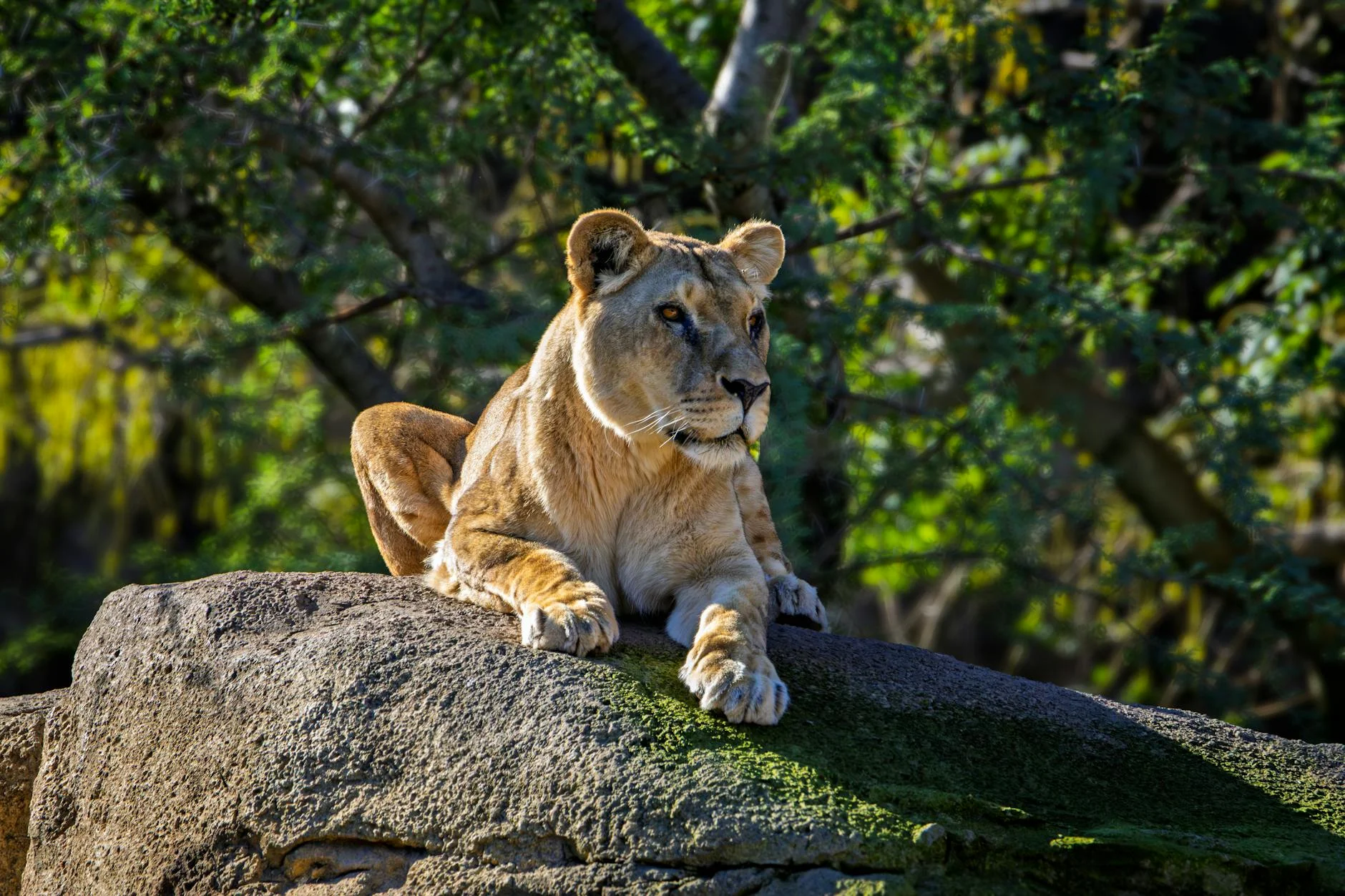
Lions
The king of the jungle and one of the Big Five. See prides hunting, resting, and caring for cubs.
Learn More →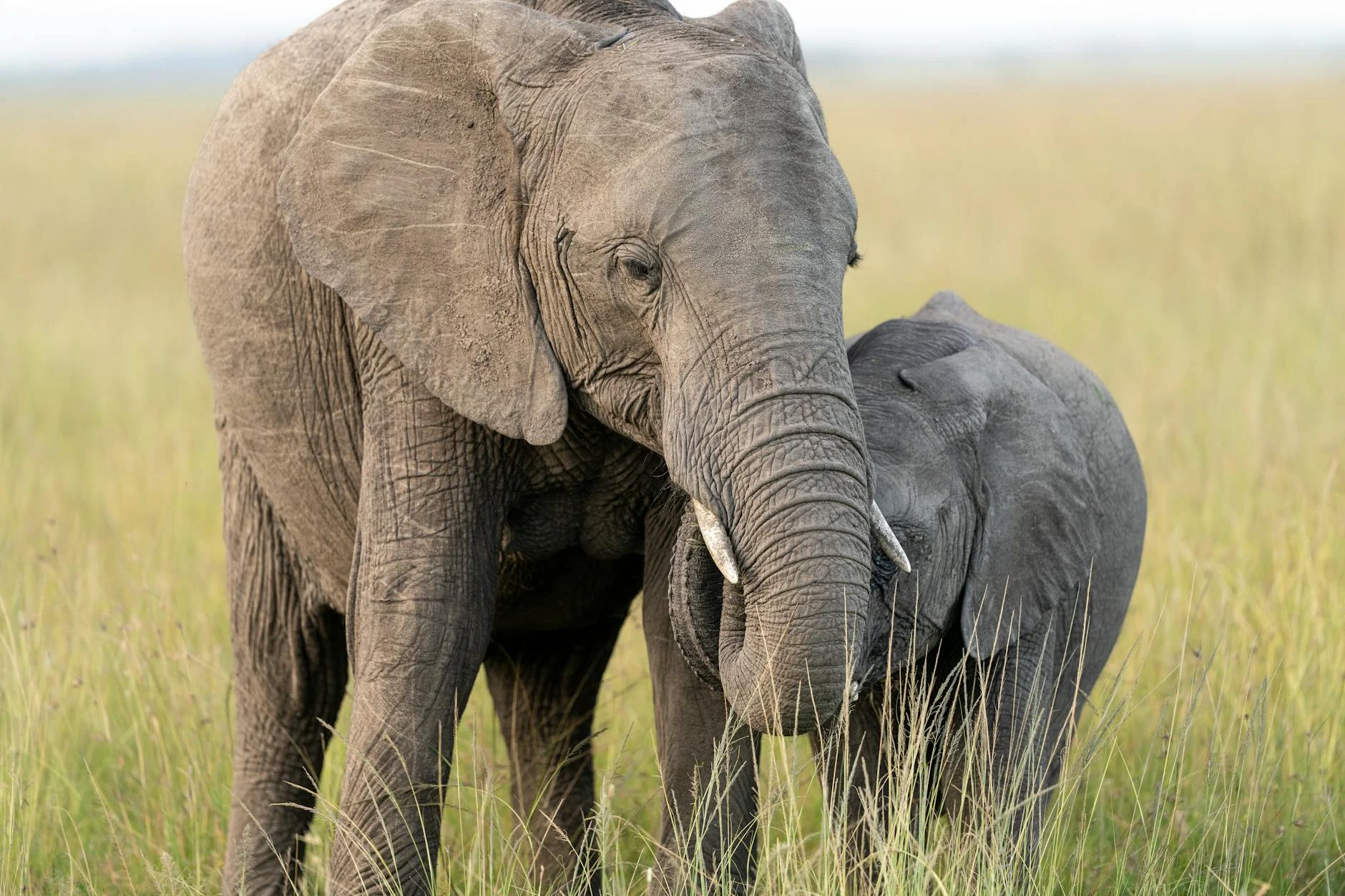
Elephants
The world's largest land animals. Witness massive herds and incredible social behaviour.
Learn More →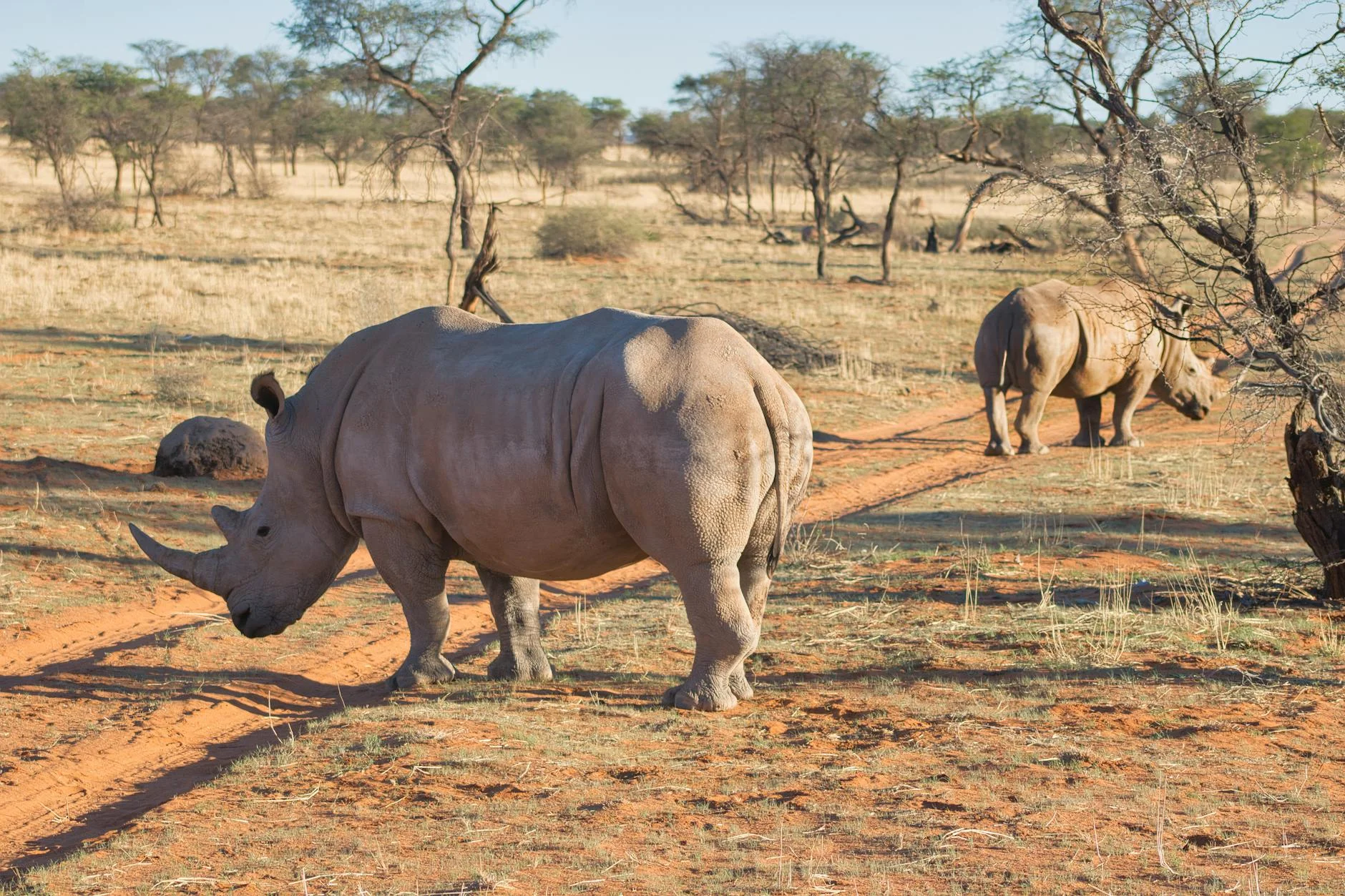
Rhinos
Critically endangered giants. See both black and white rhinos in protected reserves.
Learn More →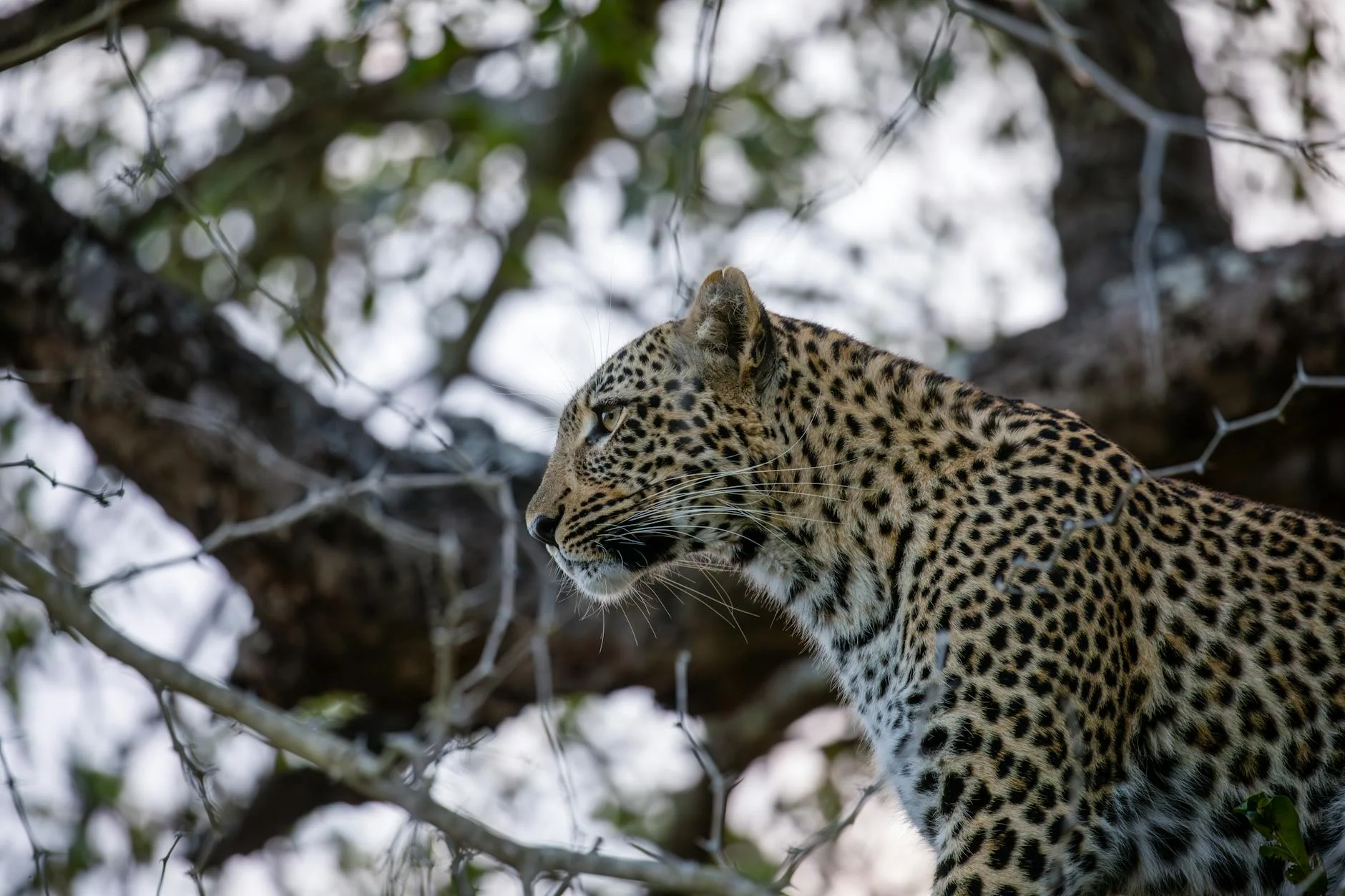
Leopards
The most elusive of the Big Five. Spot these tree-dwelling cats in their natural habitat.
Learn More →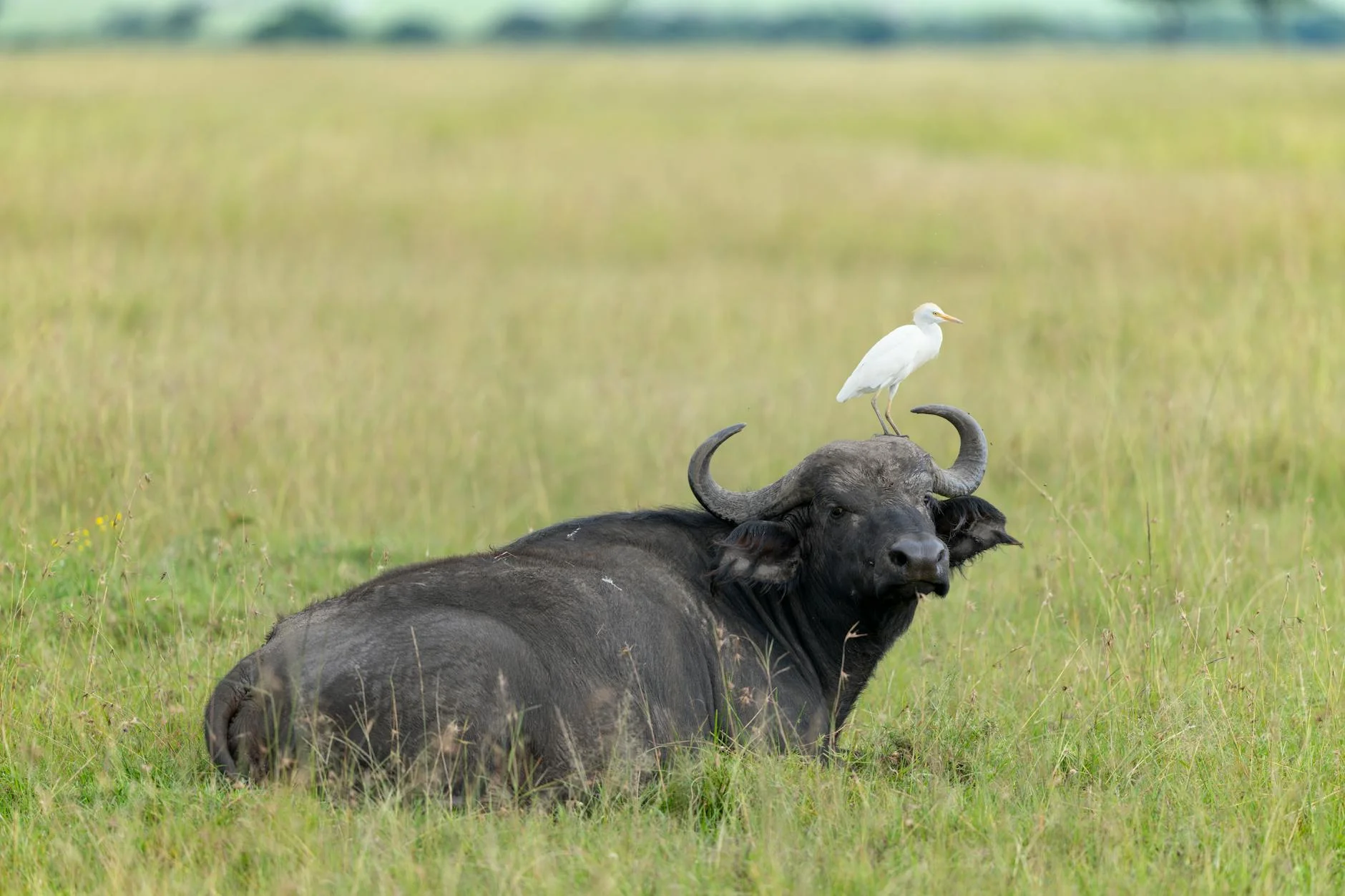
Cape Buffalo
Powerful and unpredictable. See large herds of these formidable Big Five animals.
Learn More →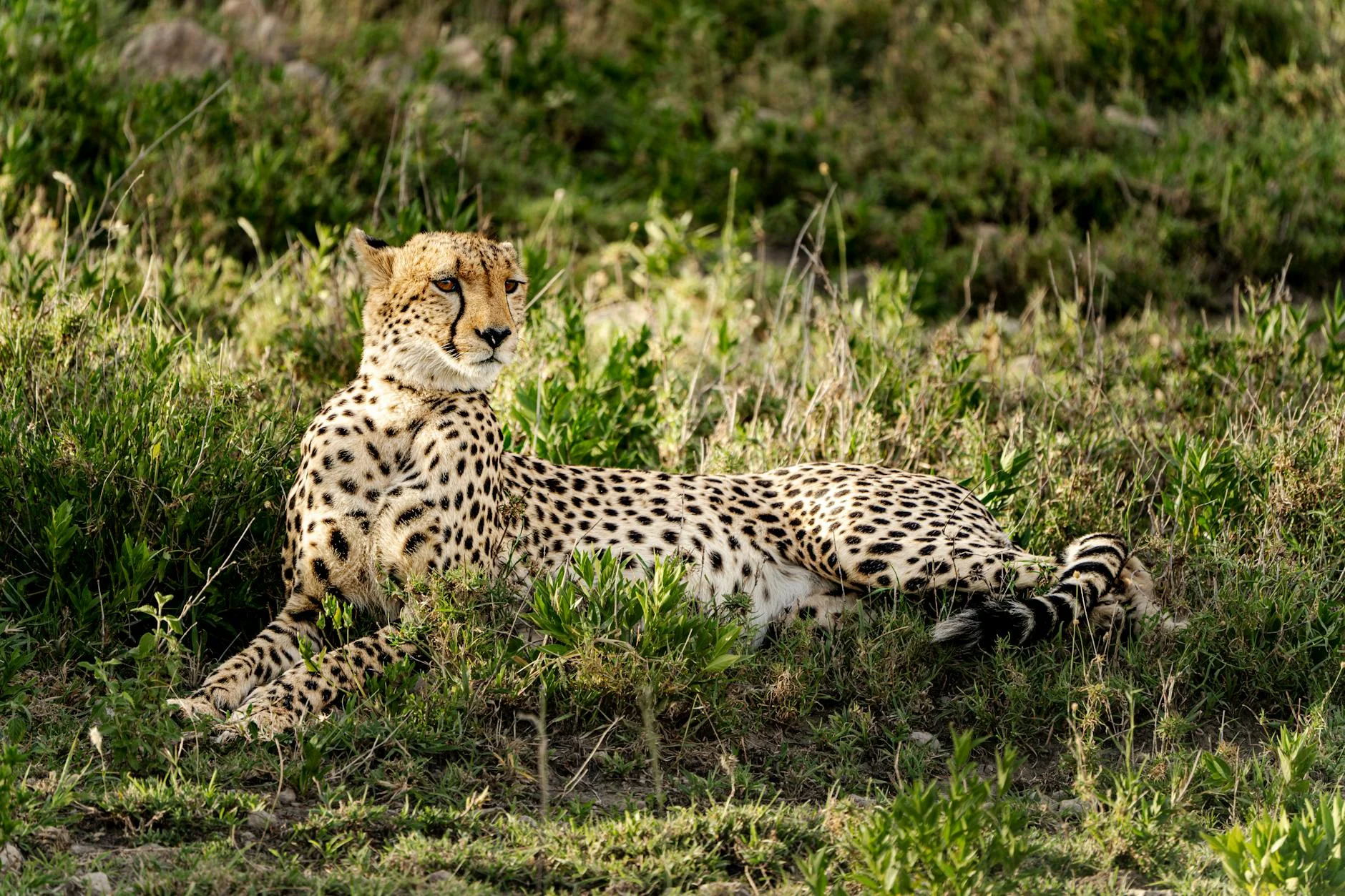
Cheetahs
The world's fastest land animal. Watch these sleek predators hunt and run at incredible speeds.
Learn More →Best Destinations for Wildlife Holidays
Africa offers numerous world-class destinations for wildlife holidays. Each destination provides unique wildlife viewing opportunities, from the Great Migration to exclusive Big Five encounters.
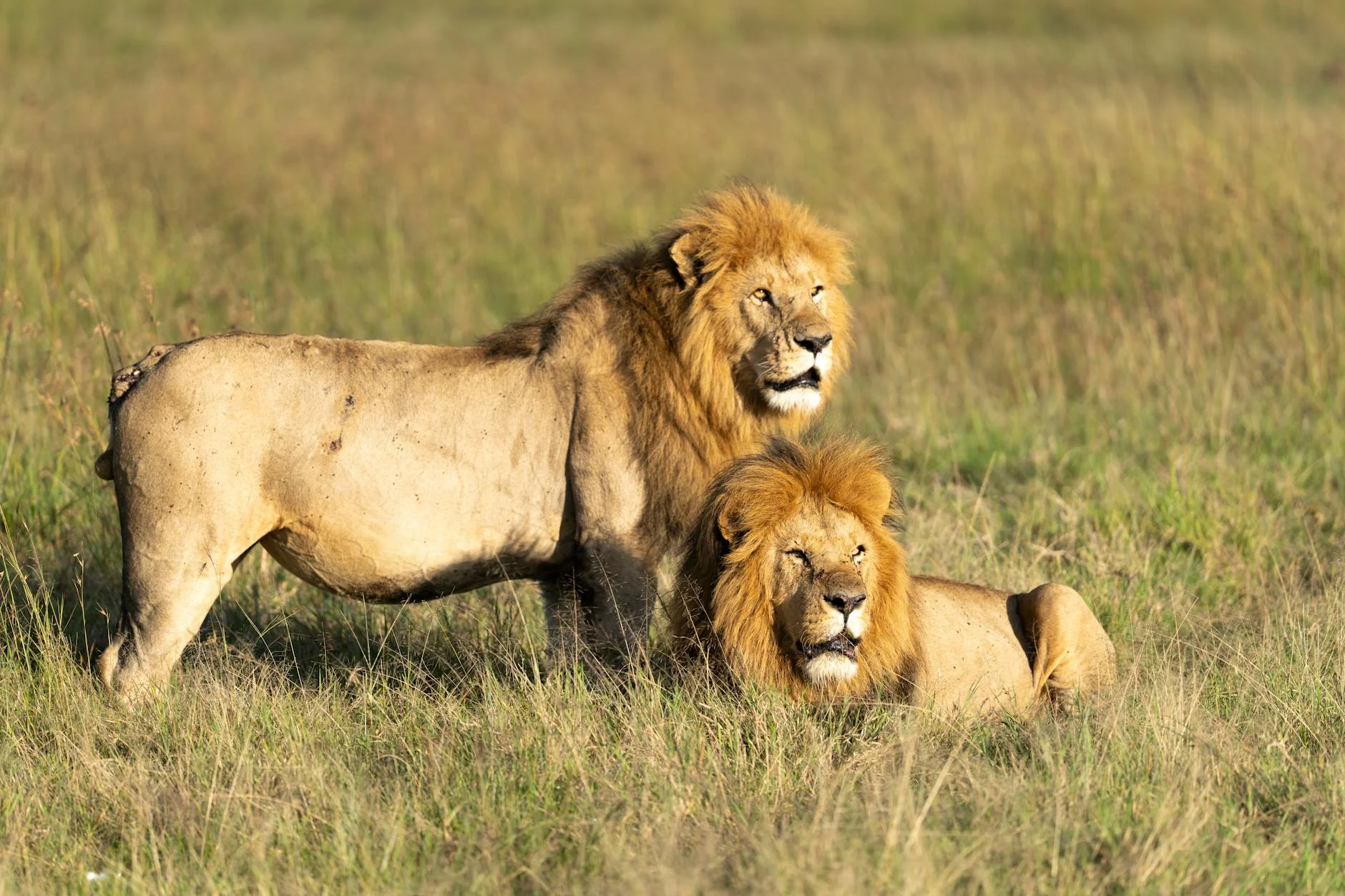
Masai Mara, Kenya
Exceptional Big Five viewing and the Great Migration. One of Africa's premier wildlife destinations.
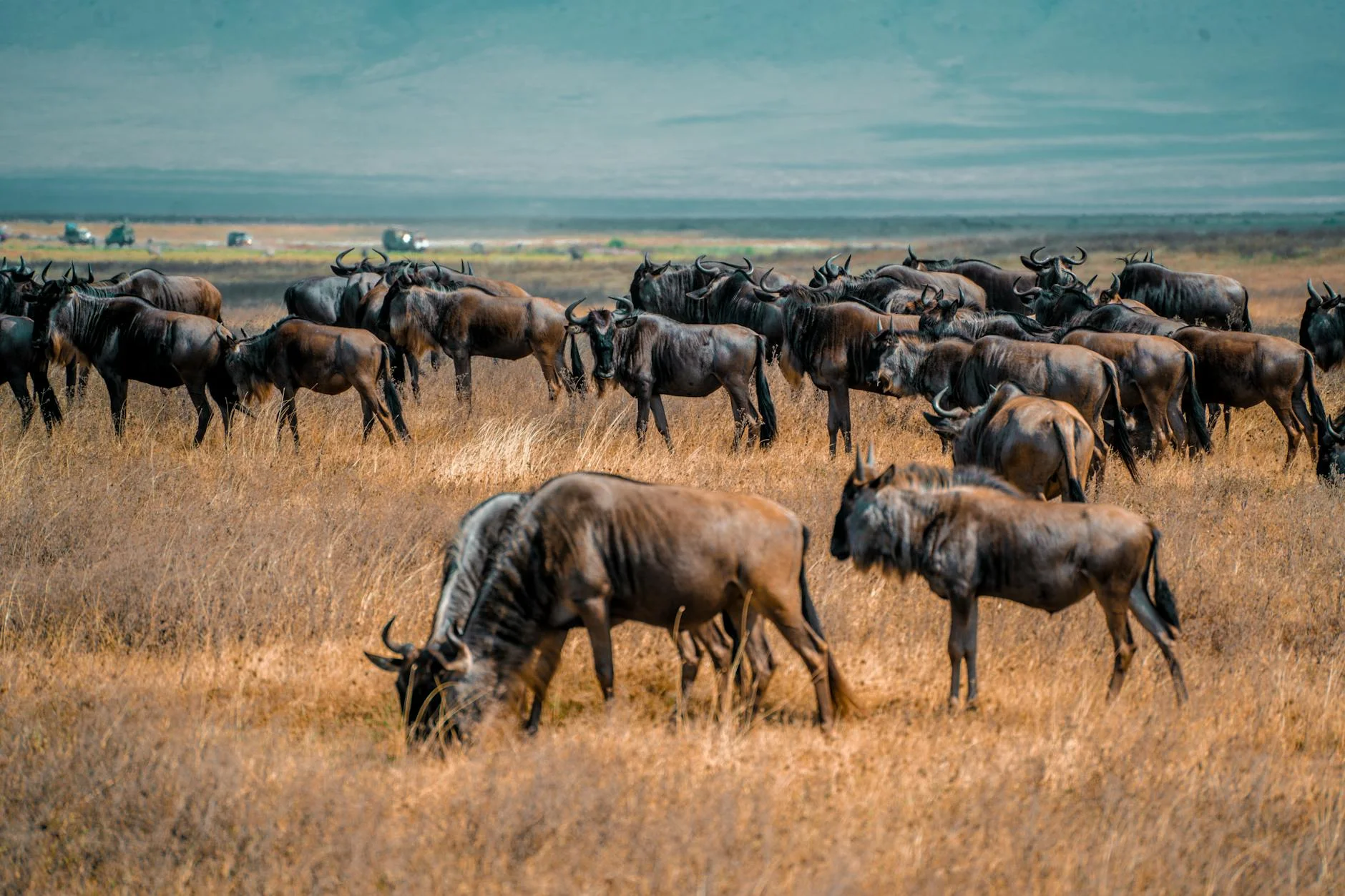
Serengeti, Tanzania
Vast plains supporting incredible wildlife diversity. Excellent for Big Five and cheetah viewing.
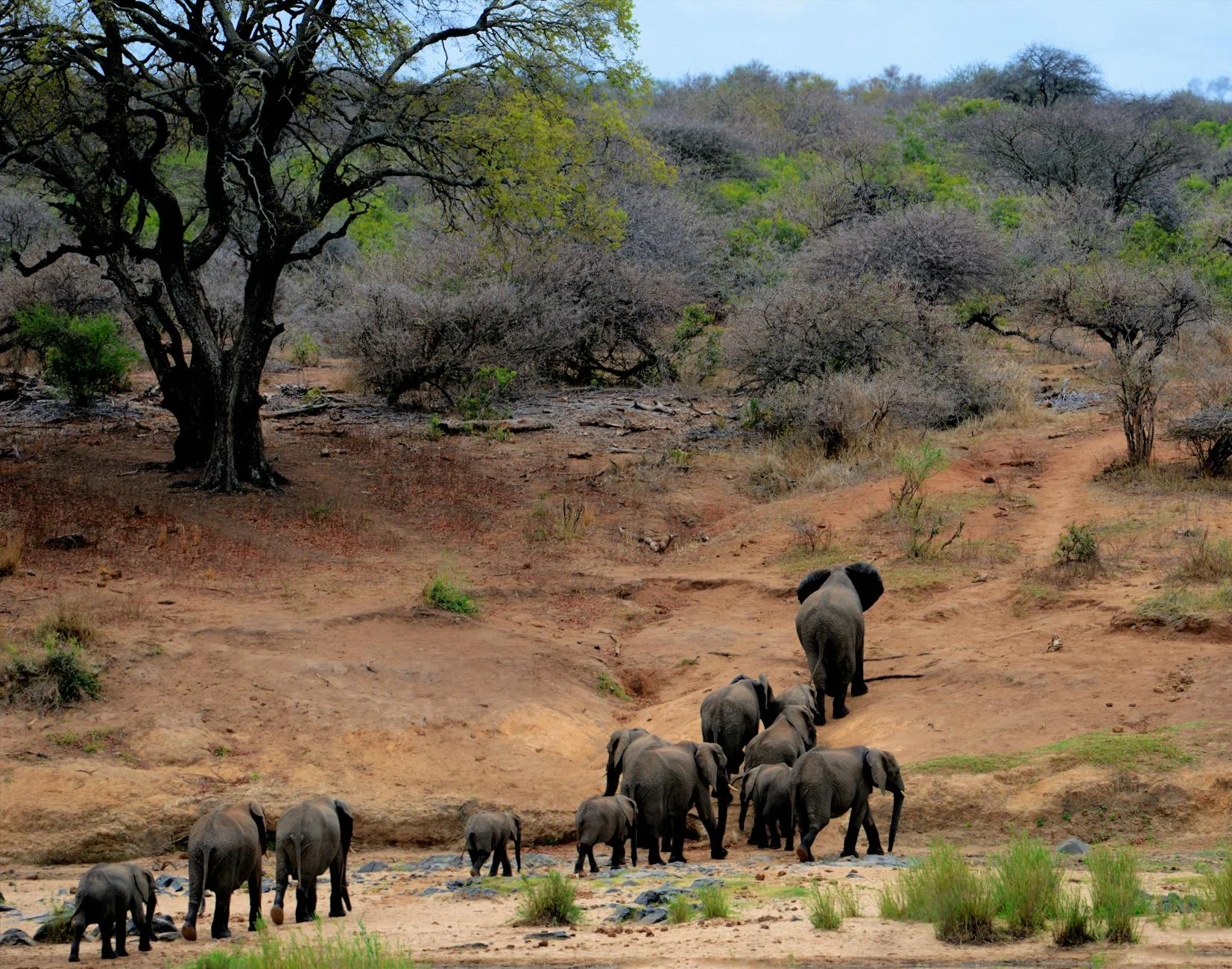
Kruger National Park, South Africa
One of Africa's largest game reserves with excellent Big Five viewing and infrastructure.
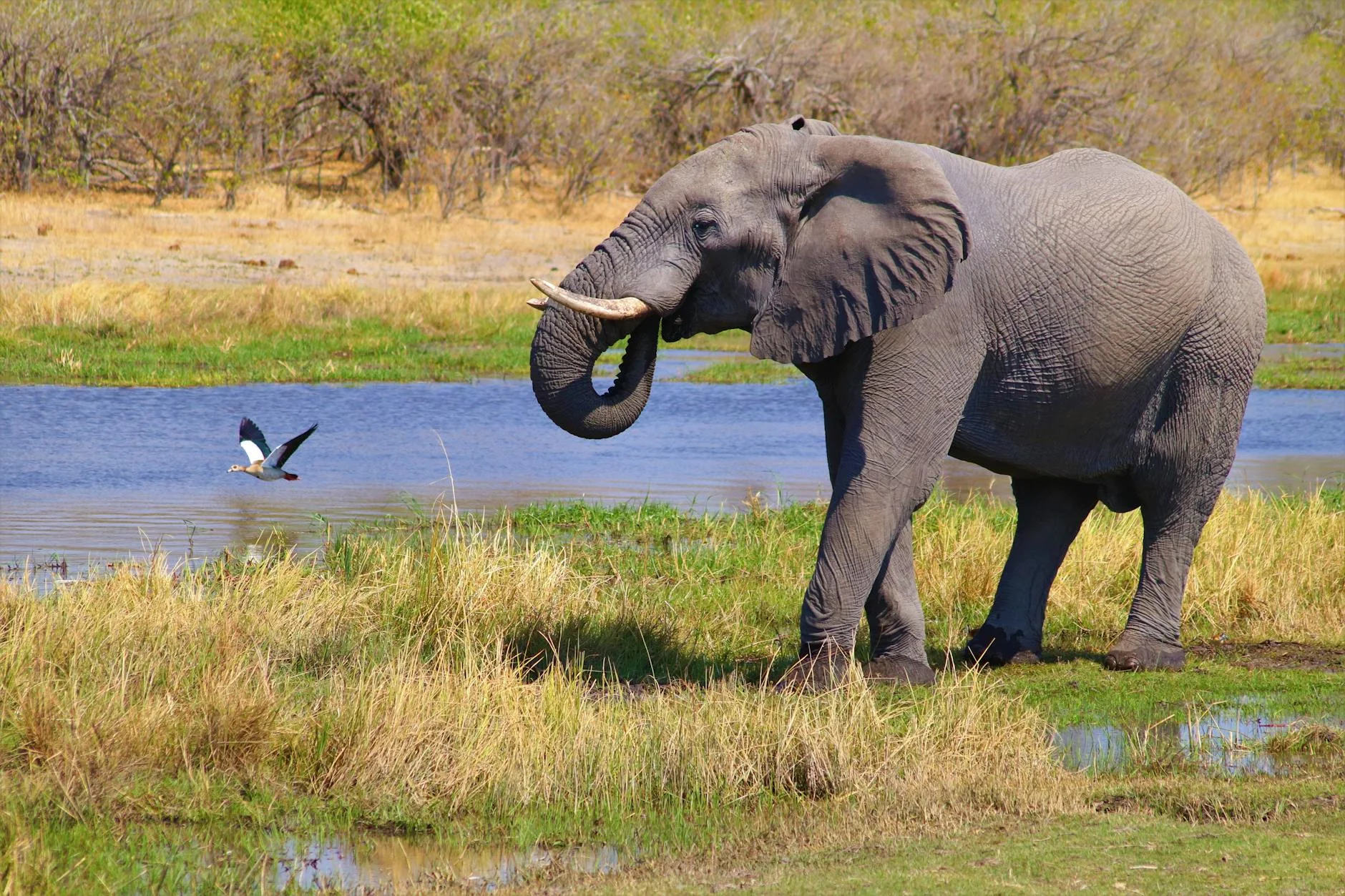
Okavango Delta, Botswana
Unique water-based safaris with exceptional wildlife viewing in pristine wilderness.
Wildlife Viewing Tips for UK Travellers
Best Time of Day
Early morning (6-9am) and late afternoon (4-7pm) are the best times for wildlife viewing. Animals are most active during these cooler hours, and the light is perfect for photography. Most safaris include both morning and afternoon game drives to maximize wildlife sightings.
What to Bring
Essential items include binoculars, a camera with zoom lens, neutral-coloured clothing, sun protection, and comfortable shoes. A wildlife guidebook or app can enhance your experience. Many lodges provide binoculars, but bringing your own ensures you have them when needed.
Patience is Key
Wildlife viewing requires patience. Animals move on their own schedule, and the best sightings often come to those who wait. Experienced guides know where to look and when, significantly increasing your chances of seeing incredible wildlife.
Respect Wildlife
Always follow your guide's instructions and maintain a respectful distance from wildlife. Stay inside your vehicle at all times during game drives. Never attempt to approach animals on foot. Responsible wildlife viewing ensures both your safety and the animals' wellbeing.
More Incredible Wildlife to See
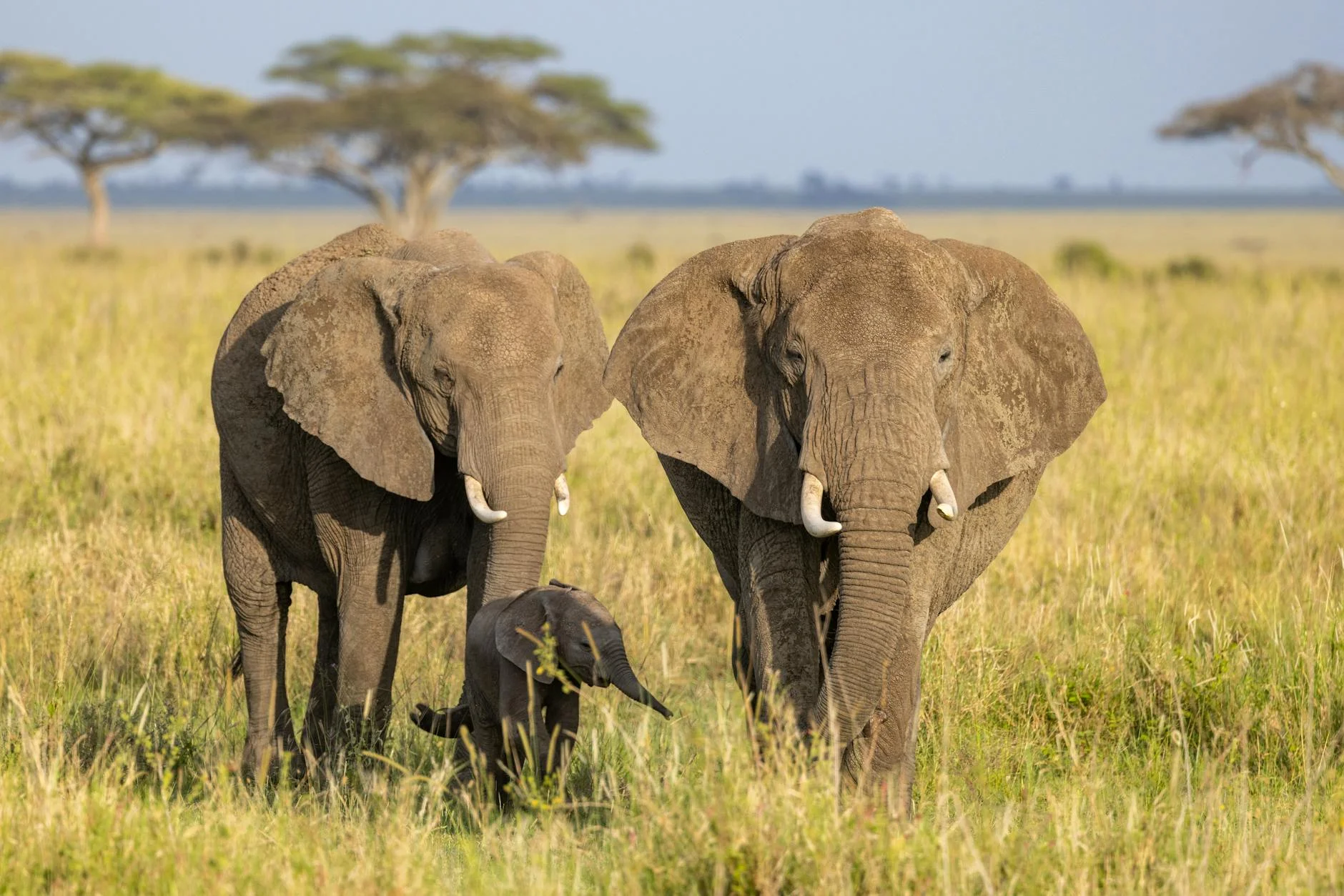
Beyond the Big Five, Africa is home to an incredible diversity of wildlife. From graceful giraffes to massive hippos, discover the many other animals you'll encounter on your wildlife holiday.
Ready to Experience Africa's Wildlife?
Contact our UK-based team today to plan your perfect wildlife holiday. Expert advice, ATOL protection, and unforgettable wildlife encounters await.