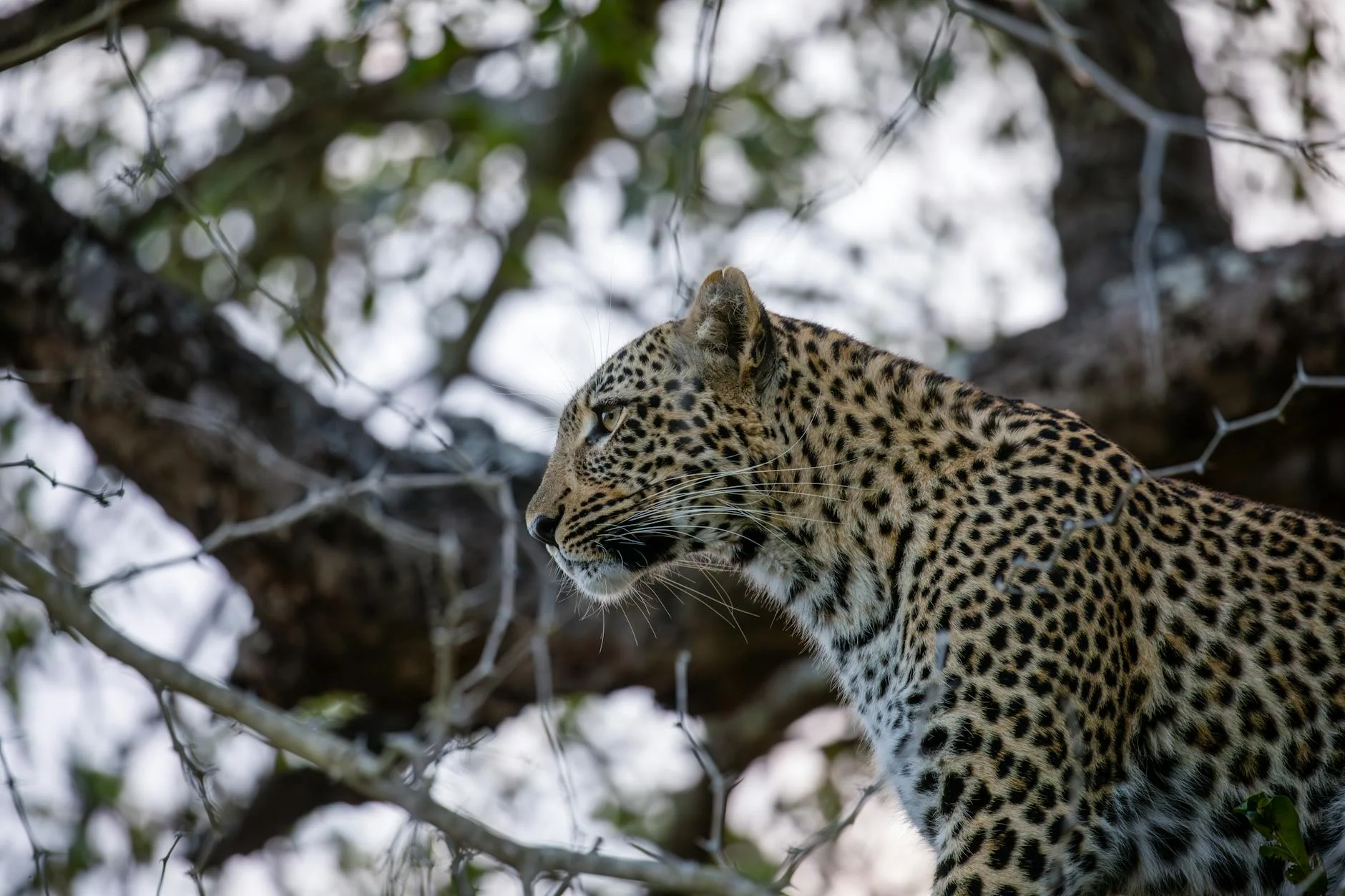
Leopards on Safari – Where to See Leopards in Africa
The leopard (Panthera pardus) is the most elusive of Africa's Big Five, known for its secretive nature, excellent camouflage, and remarkable climbing abilities. These solitary cats are primarily nocturnal and are masters of stealth, making them one of the most challenging animals to spot on safari.
Despite their elusive nature, seeing a leopard in the wild is one of the most rewarding safari experiences. Leopards are found across sub-Saharan Africa, with the best viewing opportunities in specific reserves where they are well-habituated to vehicles. Understanding leopard behaviour, the best places to see leopards, and optimal viewing times can significantly increase your chances of a sighting.
About Leopards on Safari – Physical Characteristics and Identification
Physical Characteristics
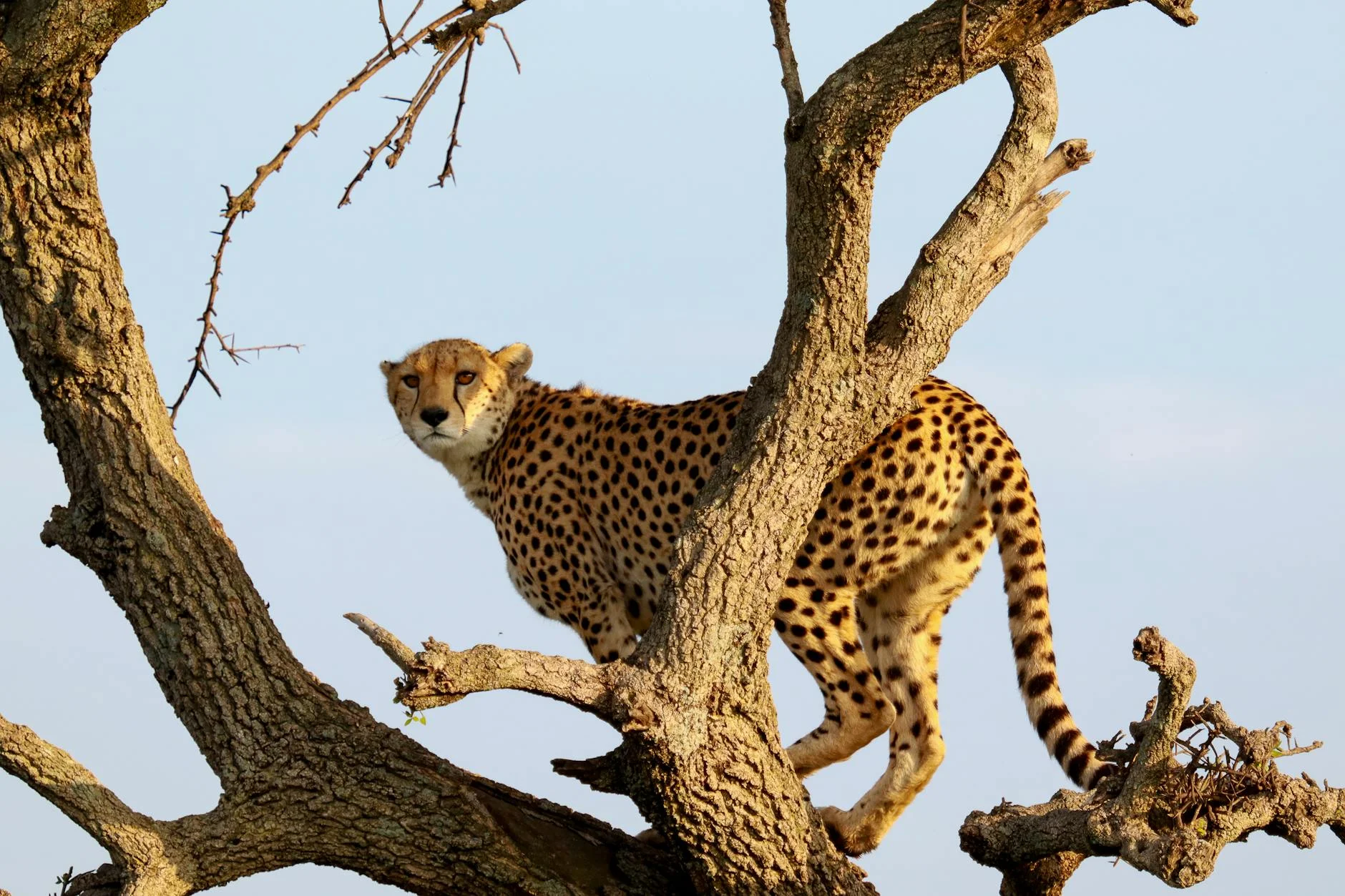
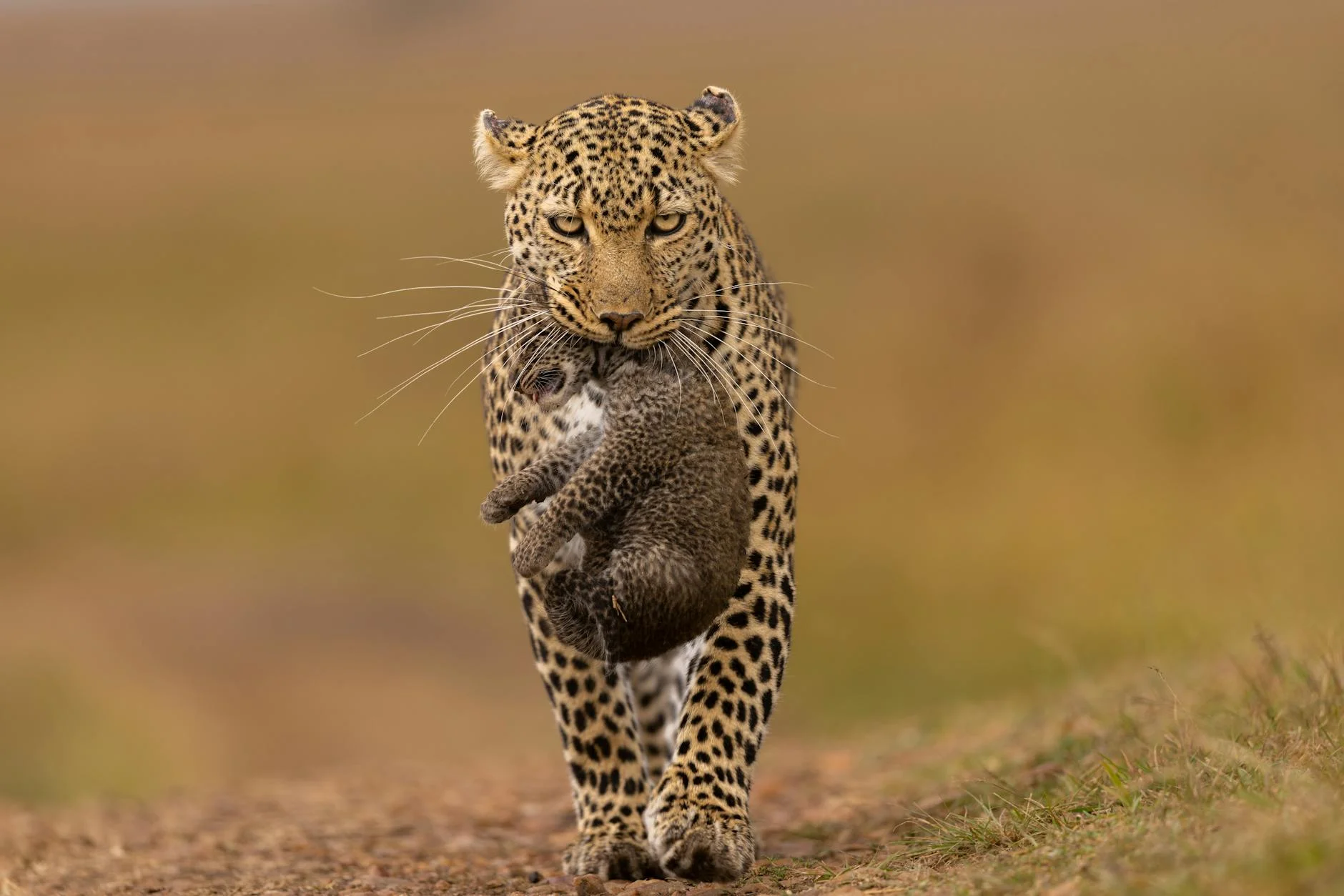
Leopards are medium-sized big cats, weighing 30-90kg (66-200lbs), with males larger than females. They have a distinctive golden-yellow coat covered in rosette-shaped black spots. Their spots provide excellent camouflage in dappled light and vegetation. Leopards have powerful, muscular bodies, short legs, and long tails that help with balance when climbing.
Climbing Abilities
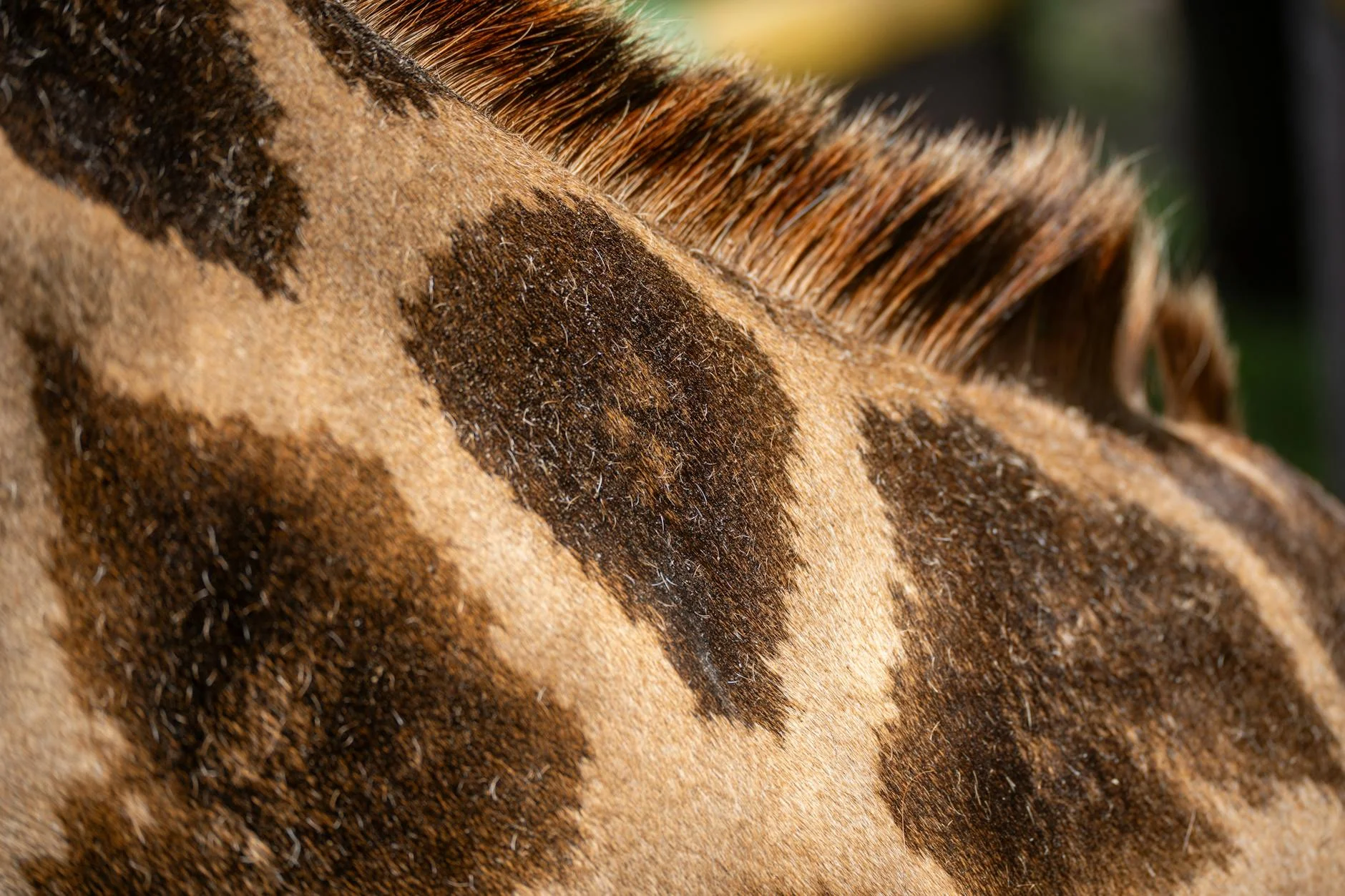
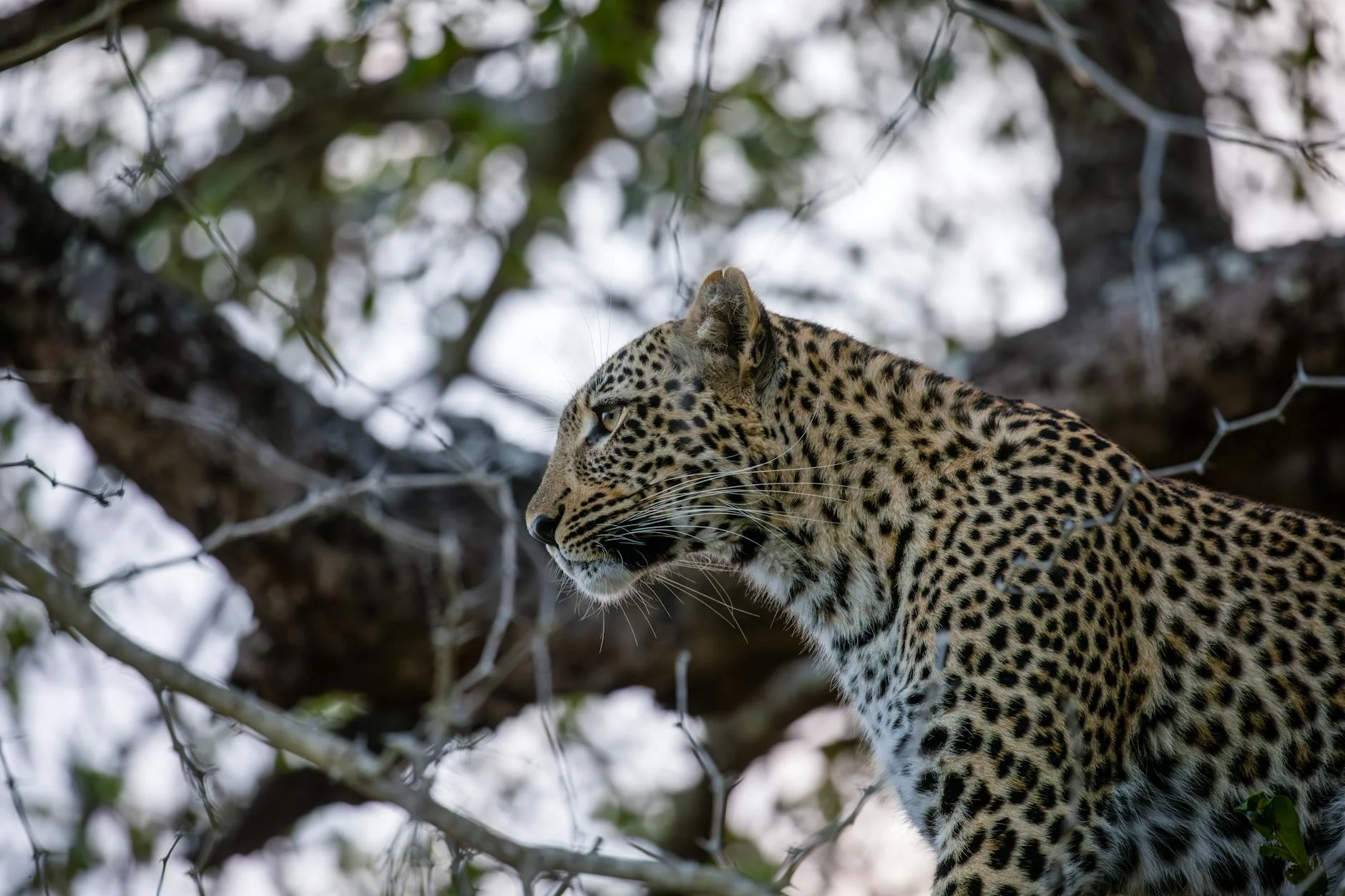
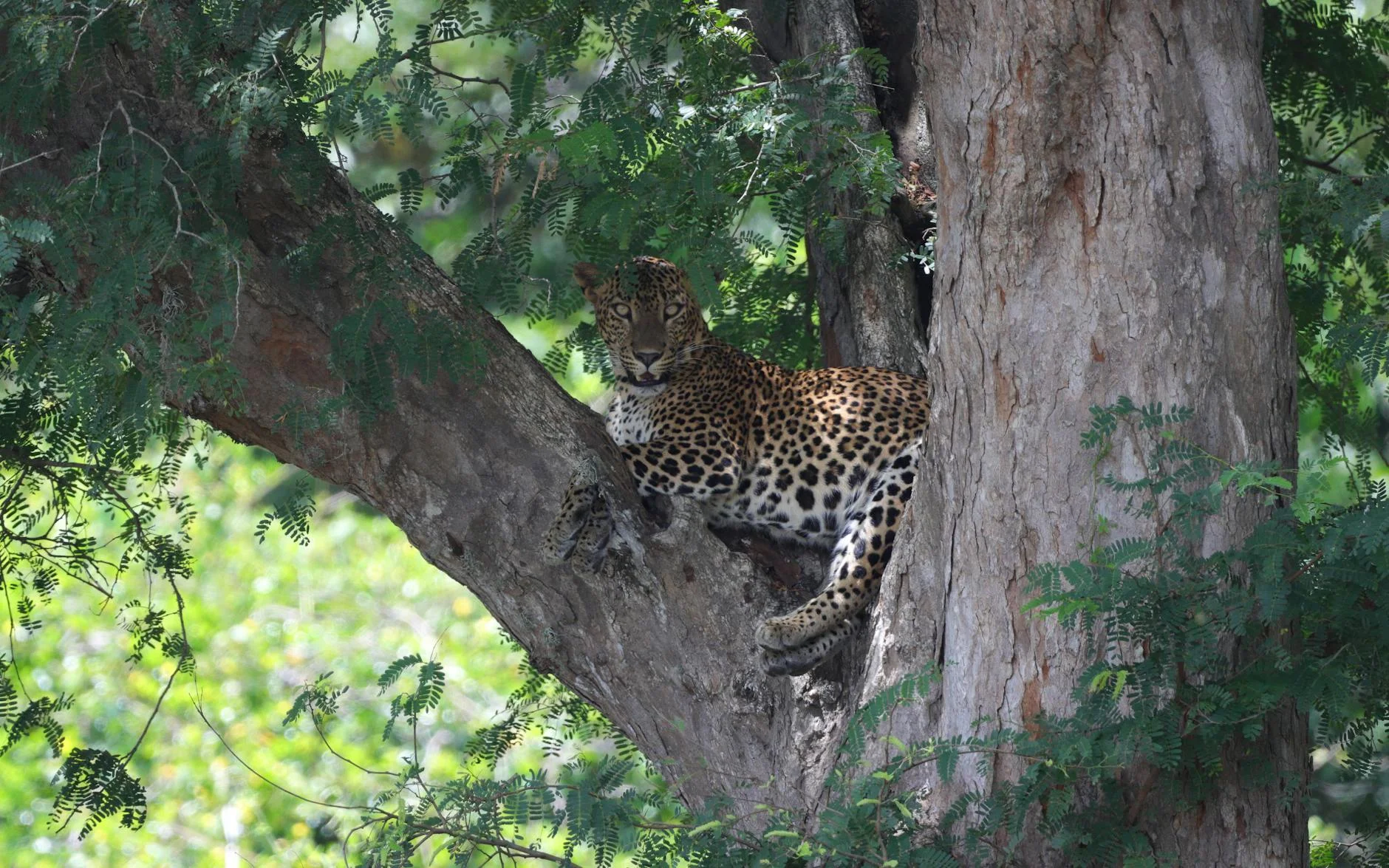
Leopards are excellent climbers, using trees for resting, storing kills, and escaping predators. They can climb trees headfirst and carry prey heavier than themselves up into branches. On safari, always look up into trees, especially large acacia or fig trees, as leopards often rest on branches during the day. A kill stored in a tree is a sure sign a leopard is nearby.
Leopards are solitary animals, with males and females only coming together to mate. They are territorial and mark their territories with scent and scratch marks on trees. Leopards have excellent night vision and are primarily nocturnal, though they can be active during early morning and late afternoon. Their secretive nature and excellent camouflage make them masters of stealth, earning them the reputation as the most elusive of the Big Five.
Leopard Behaviour on Safari – Understanding These Elusive Predators
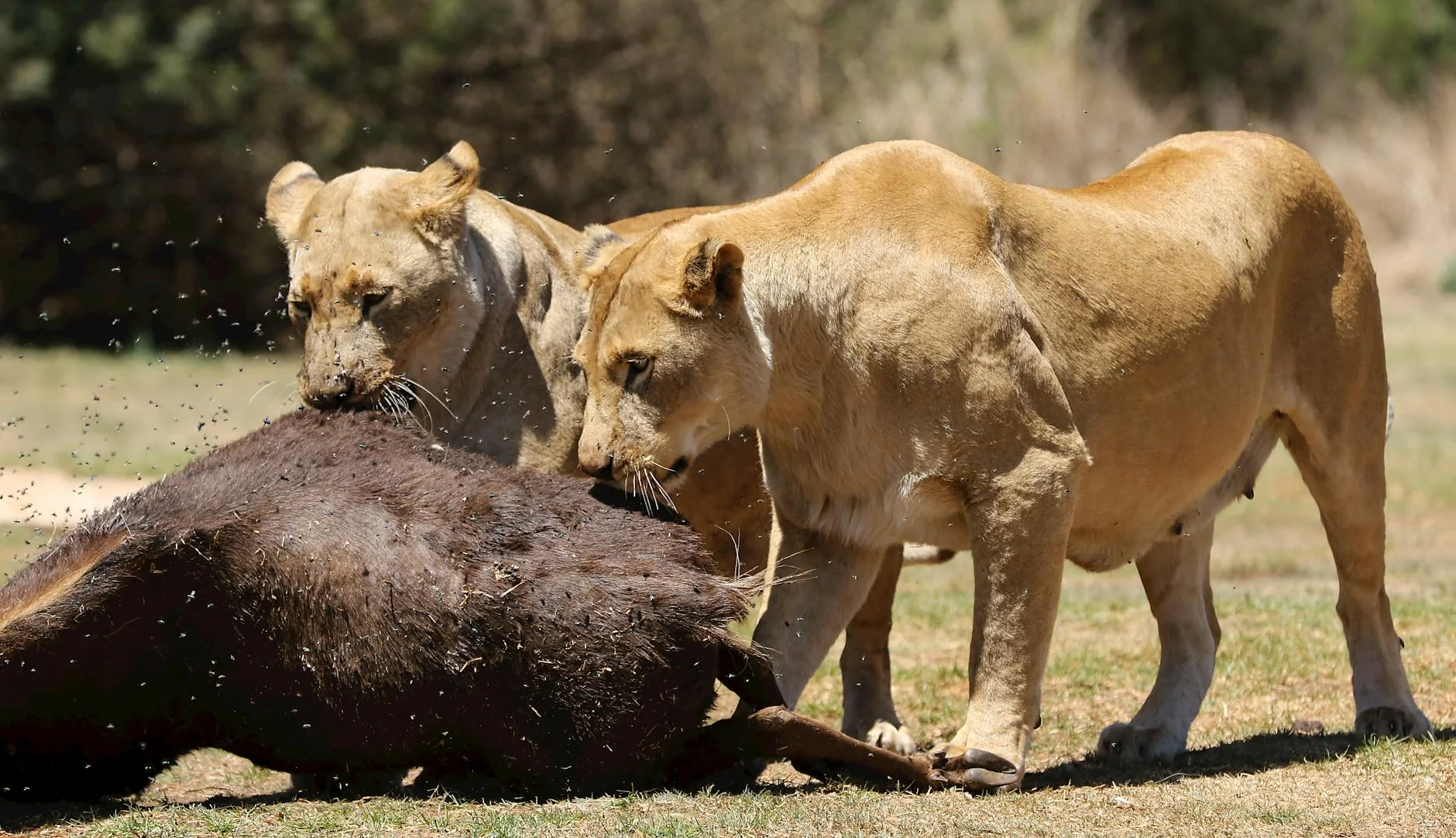
Leopards are solitary, territorial predators with fascinating behaviours. They are masters of stealth, using their excellent camouflage and quiet approach to get close to prey before launching an ambush. Understanding leopard behaviour can help you spot these elusive cats on safari and appreciate their remarkable adaptations.
Hunting Behaviour
Leopards are opportunistic hunters that stalk and ambush their prey. They use stealth to get within 5-10 meters before launching a quick attack. Leopards hunt a wide variety of prey, from small animals like hares to medium-sized antelope like impala. After making a kill, they often drag it into a tree to protect it from other predators.
Tree-Dwelling
Leopards are excellent climbers and spend much of their time in trees. They use trees for resting during the day, storing kills, and escaping from larger predators like lions. On safari, always scan trees, especially large acacia, fig, or sausage trees. A leopard draped over a branch or a kill hanging from a tree is a common sight in areas with good leopard populations.
Nocturnal Activity
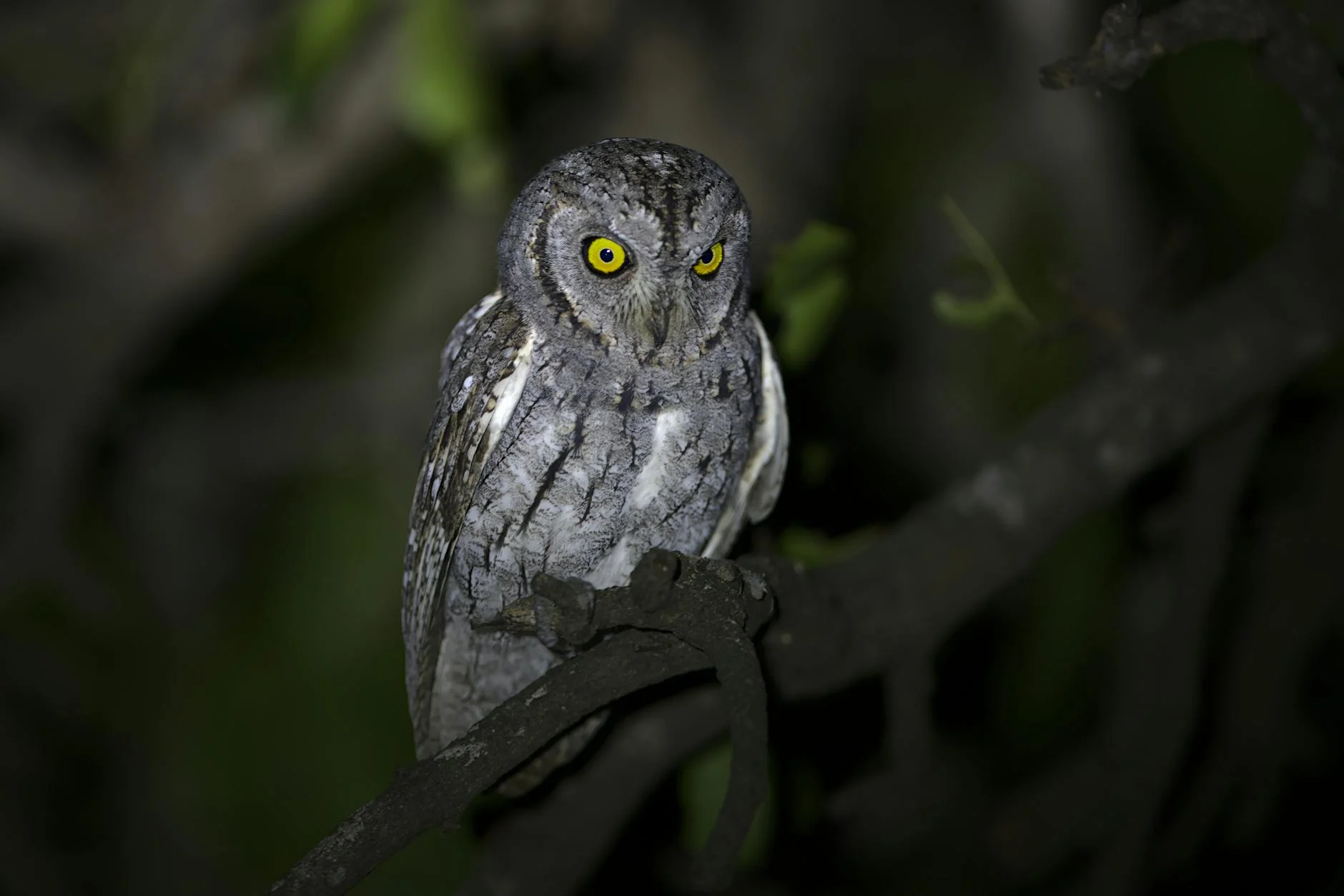
Leopards are primarily nocturnal, though they can be active during early morning and late afternoon. They have excellent night vision and are most active during the hours around dawn and dusk. In areas where leopards are well-habituated to vehicles, they may be visible during daylight hours, especially when resting in trees or moving between areas.
Best Places to See Leopards on Safari in Africa
Sabi Sands Game Reserve, South Africa
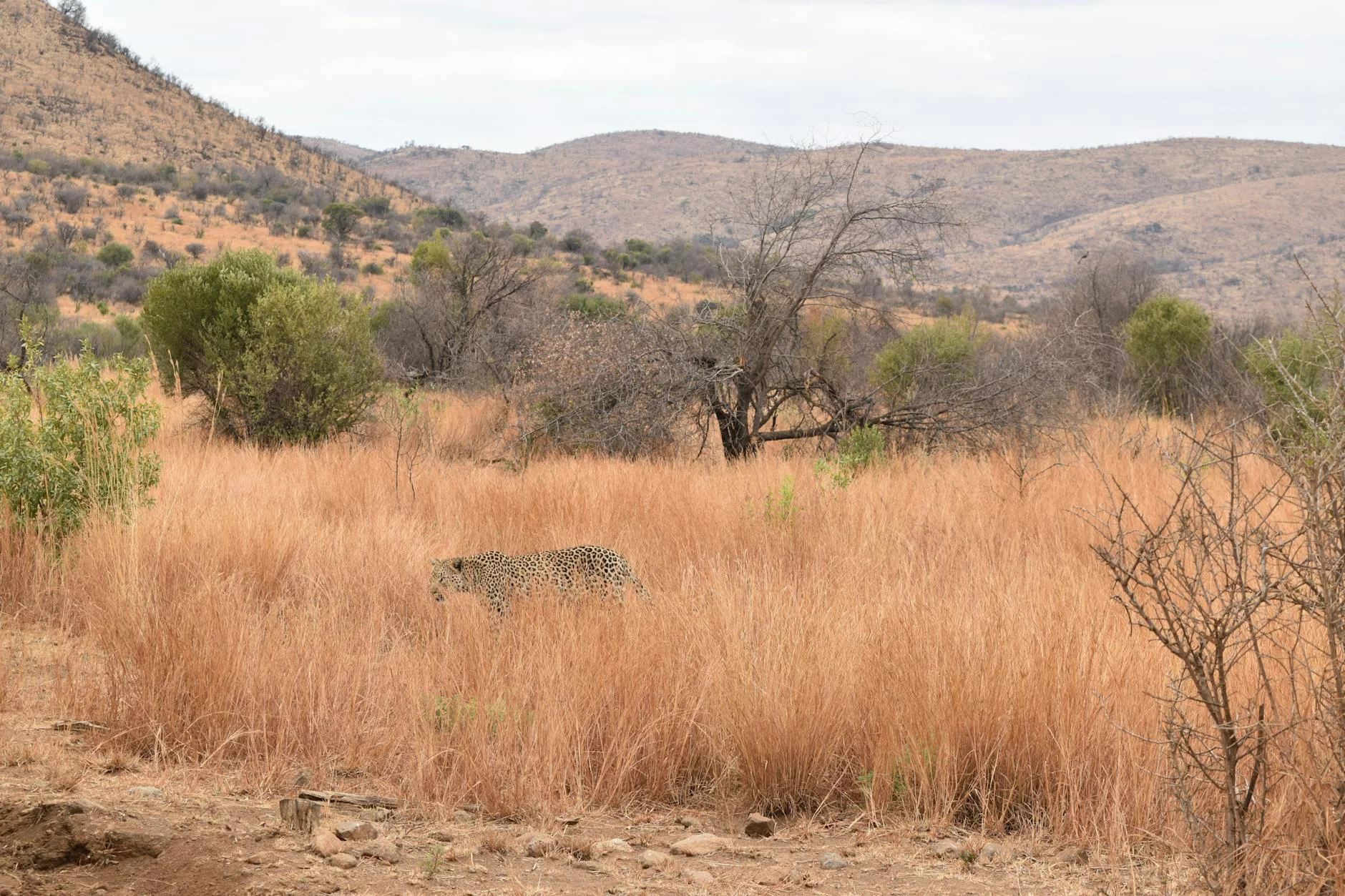
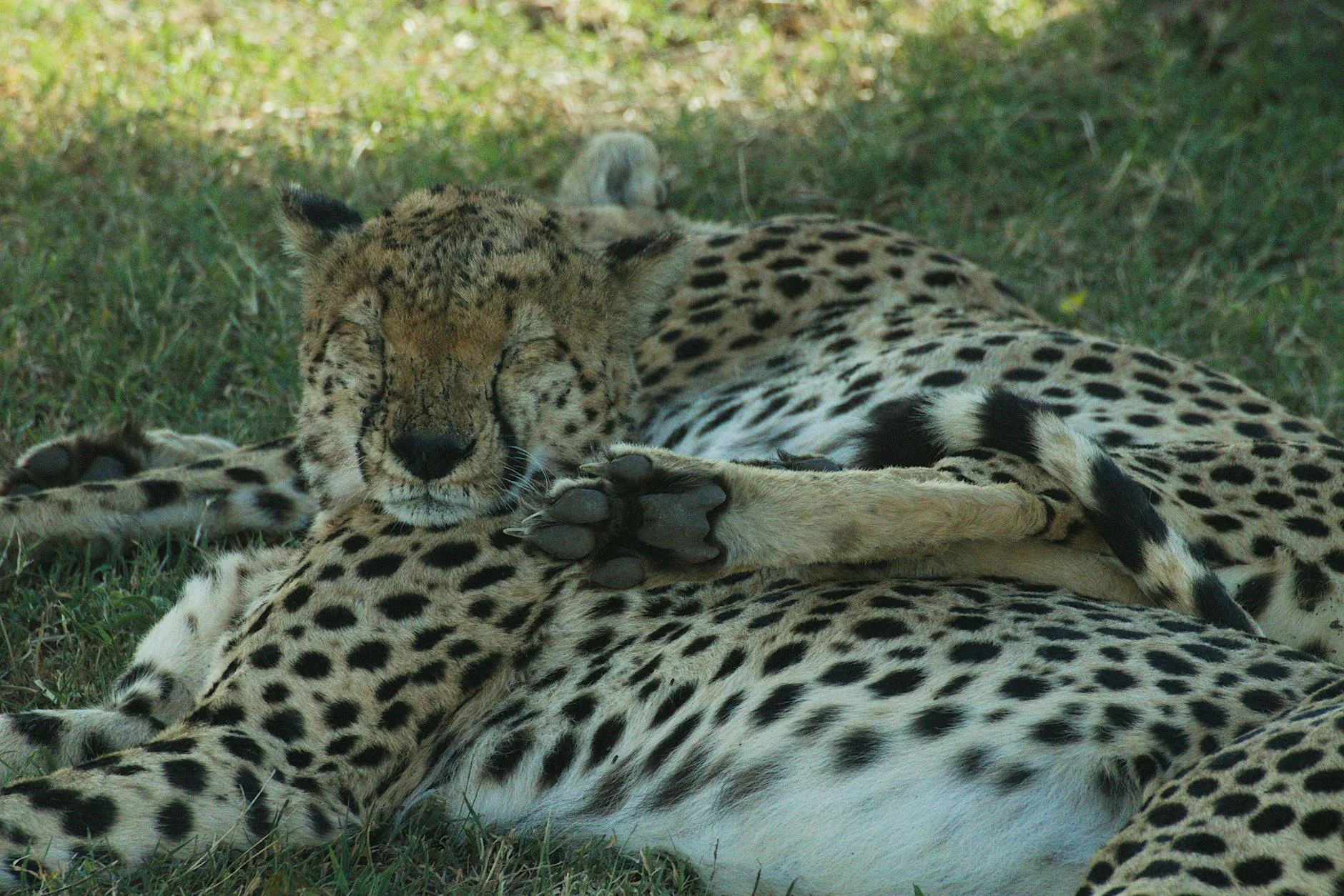
The Sabi Sands is world-renowned for excellent leopard viewing, with leopards that are well-habituated to vehicles and often visible during daylight hours. The reserve's dense riverine forests provide ideal leopard habitat, and the leopards are accustomed to safari vehicles, allowing for exceptional close-up viewing. Leopard sightings are frequent, making this one of the best places in Africa to see leopards on safari.
Masai Mara National Reserve, Kenya
The Masai Mara offers good leopard viewing opportunities, especially in areas with riverine forests and rocky outcrops. Leopards in the Mara are often seen in trees, especially along the Mara River and in areas with large acacia trees. While sightings are less guaranteed than in the Sabi Sands, patient game drives, especially during early morning and late afternoon, can yield excellent leopard sightings.
Learn more about the Masai Mara →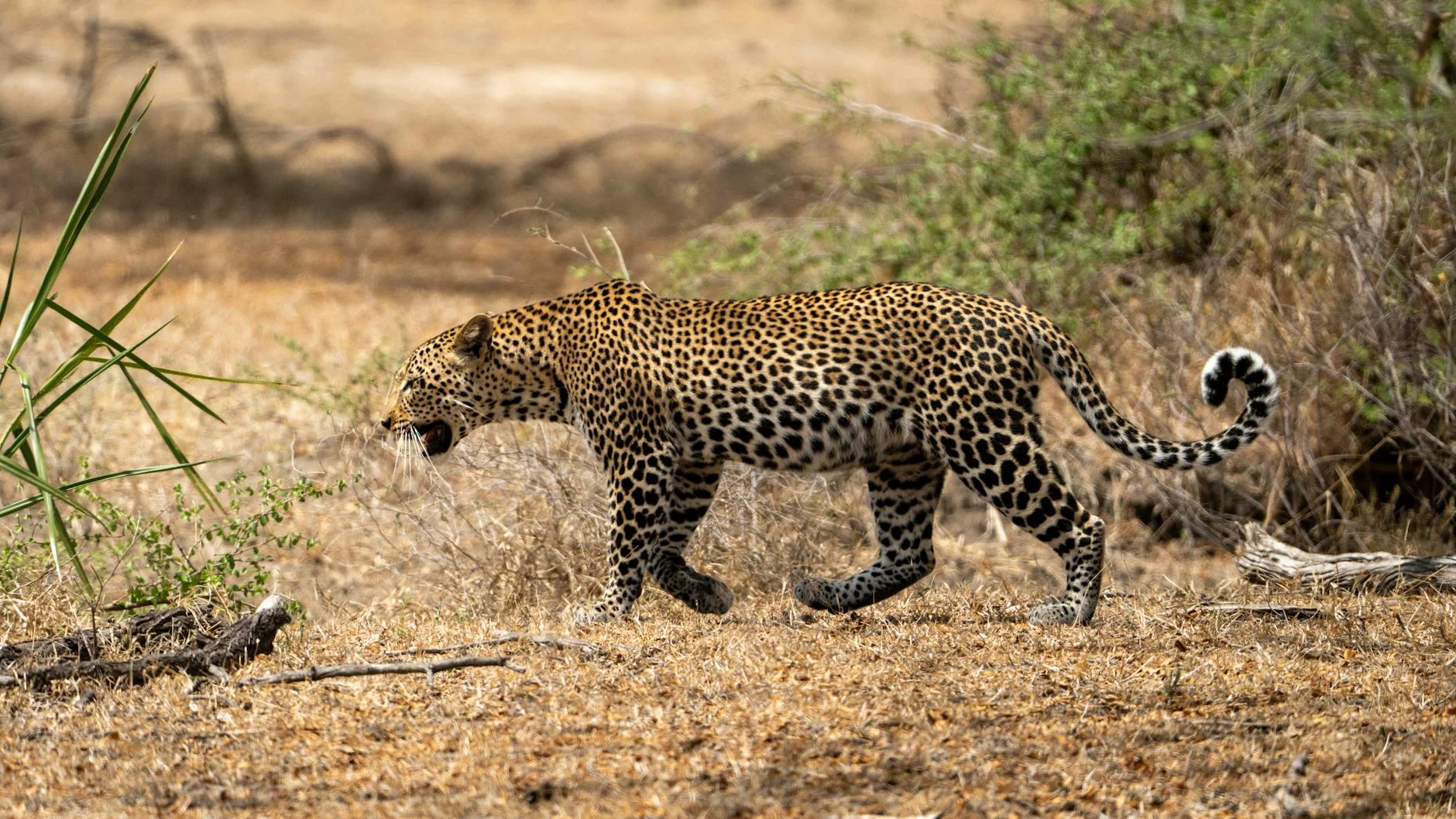
Serengeti National Park, Tanzania
The Serengeti's acacia woodlands and kopjes (rocky outcrops) provide good leopard habitat. Leopards are often seen in trees or on rocky outcrops, especially in the central and western Serengeti. While sightings are less frequent than lions, patient game drives in areas with good tree cover can yield leopard sightings. The Serengeti's size means leopards have plenty of space, making them less habituated than in smaller reserves.
Learn more about the Serengeti →
Okavango Delta, Botswana
The Okavango Delta's riverine forests and islands provide excellent leopard habitat. Leopards in the delta are often seen in trees or moving through the floodplains. The Moremi Game Reserve within the delta is particularly good for leopard viewing. The dry season (May-October) is best for viewing as animals concentrate around permanent water sources and the floodplains are more accessible.
Learn more about the Okavango Delta →Best Time to See Leopards on Safari – Viewing Tips
Leopards can be seen year-round in areas with good populations, but certain times and techniques offer better viewing opportunities. Understanding leopard behaviour and viewing tips can significantly increase your chances of a sighting.
Time of Day
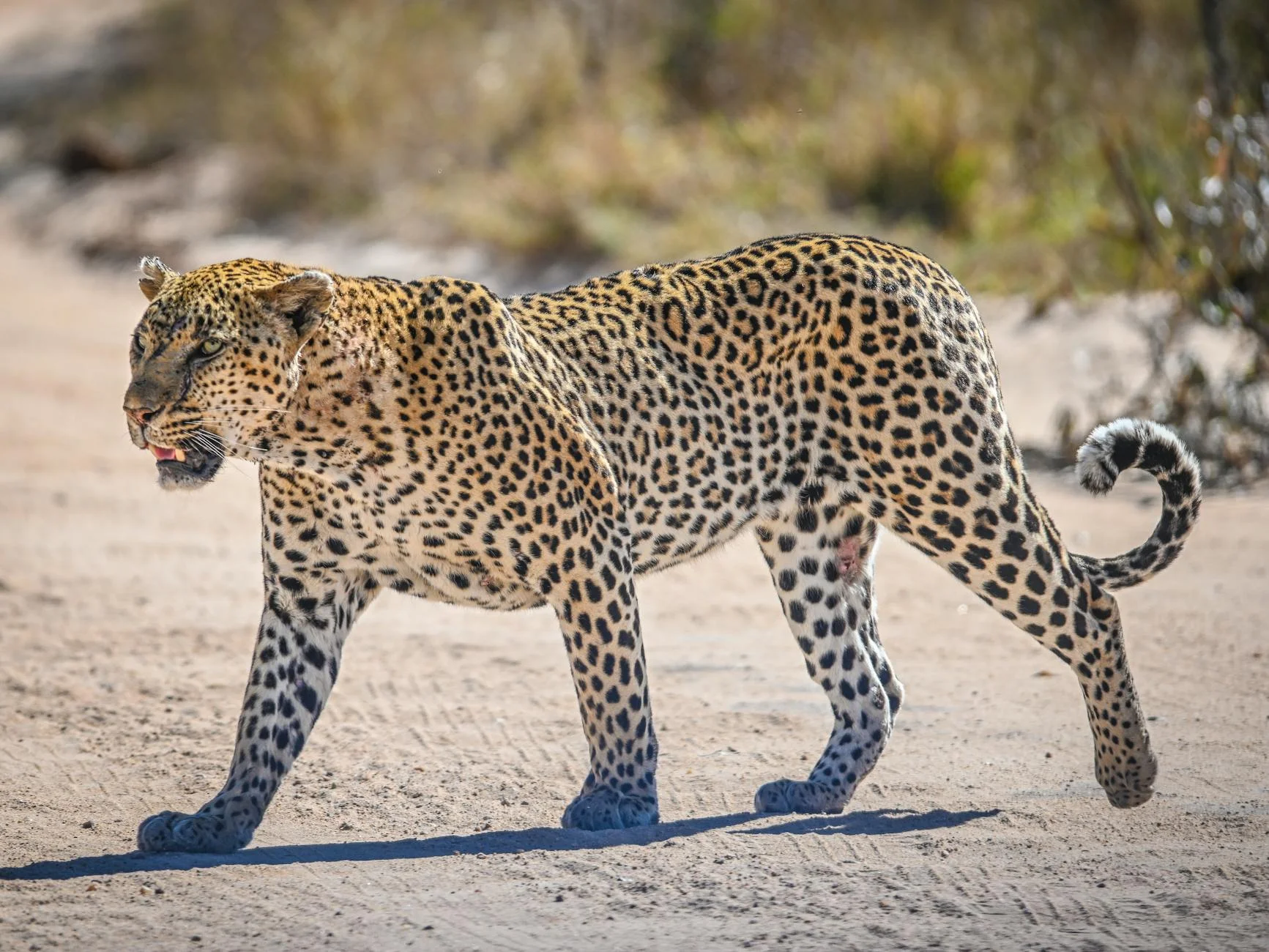
Leopards are primarily nocturnal but can be active during early morning (6-9am) and late afternoon (4-7pm). Early morning and late afternoon game drives offer the best chances of seeing leopards active. However, in areas like the Sabi Sands where leopards are well-habituated, they may be visible resting in trees during the day. Night drives (where permitted) can also offer leopard viewing opportunities.
Viewing Tips
Always look up into trees, especially large acacia, fig, or sausage trees. A kill stored in a tree is a sure sign a leopard is nearby. Scan rocky outcrops and riverine forests. Listen for alarm calls from other animals, which may indicate a leopard is nearby. Be patient - leopards are elusive, and sightings require time and persistence.

Seasonal Viewing
Leopards can be seen year-round, but the dry season (May-October) often offers better viewing as sparse vegetation improves visibility and animals concentrate around water sources. However, leopards are less dependent on water than other animals, so seasonal differences are less pronounced. The key is choosing a destination with good leopard populations and experienced guides who know where to look.
Leopard Conservation Status – Threats and Protection
Conservation Status
African leopards are classified as "Vulnerable" on the IUCN Red List. While leopards are more widespread than other big cats, their populations are declining in many areas due to habitat loss, human-wildlife conflict, and poaching. Leopards are adaptable and can survive in various habitats, which has helped them persist, but they face increasing threats from human activities.
Threats and Protection
Major Threats: Habitat loss and fragmentation, human-wildlife conflict (especially livestock predation), and poaching for skins and body parts. Leopards are also killed in retaliation for livestock losses.
Conservation Efforts: Protected areas and reserves provide crucial habitat for leopards. Tourism plays an important role by providing economic incentives for conservation. Responsible safari tourism funds anti-poaching efforts, habitat protection, and community-based conservation programs that help reduce human-leopard conflict.
Seeing a leopard in the wild is a special experience that supports conservation efforts. When choosing a safari operator, look for those that support leopard conservation and work with local communities to reduce human-wildlife conflict. Your visit helps fund the protection of these magnificent cats and their habitats.