Kruger National Park – South Africa Safari Guide
Kruger National Park is one of Africa's largest game reserves and one of the most accessible safari destinations for UK travellers. This comprehensive guide helps you understand what makes Kruger special, when to visit, and what experiences await in this world-renowned national park.
With excellent Big Five viewing, world-class infrastructure, and both self-drive and guided safari options, Kruger offers something for every type of traveller. The park's size and diversity mean you can spend weeks exploring different areas, each with distinct wildlife and landscapes.
About Kruger National Park
Kruger National Park covers over 19,000 square kilometers in northeastern South Africa, making it one of Africa's largest game reserves. The park was established in 1898 to protect wildlife and has since become one of the continent's most important conservation areas. The park's diverse ecosystems include savannah grasslands, acacia woodlands, riverine forests, and rocky outcrops, creating varied habitats that support an incredible array of wildlife.
The park is divided into different regions, each with distinct characteristics. The southern section is more accessible and popular, with excellent infrastructure and wildlife viewing. The central section offers diverse landscapes and good wildlife viewing, while the north offers more remote wilderness experiences. The park's excellent road network makes it easy to navigate, while rest camps provide comfortable accommodation and facilities.
Adjacent to Kruger are private game reserves like Sabi Sand, Timbavati, and Manyeleti, which offer more exclusive experiences with off-road driving, night drives, and luxury accommodation. Many of these reserves are malaria-free, making them popular with families and travellers concerned about malaria.
Wildlife in Kruger National Park
The Big Five
Kruger is home to all members of the Big Five: lions, elephants, rhinos, leopards, and buffalo. The park has excellent viewing opportunities for all five species, with lions being particularly common. Elephants form large herds, especially in the north, while rhinos are present in both white and black rhino populations. Leopards are more elusive but can be seen, while buffalo are widespread throughout the park.
Big Cats and Predators
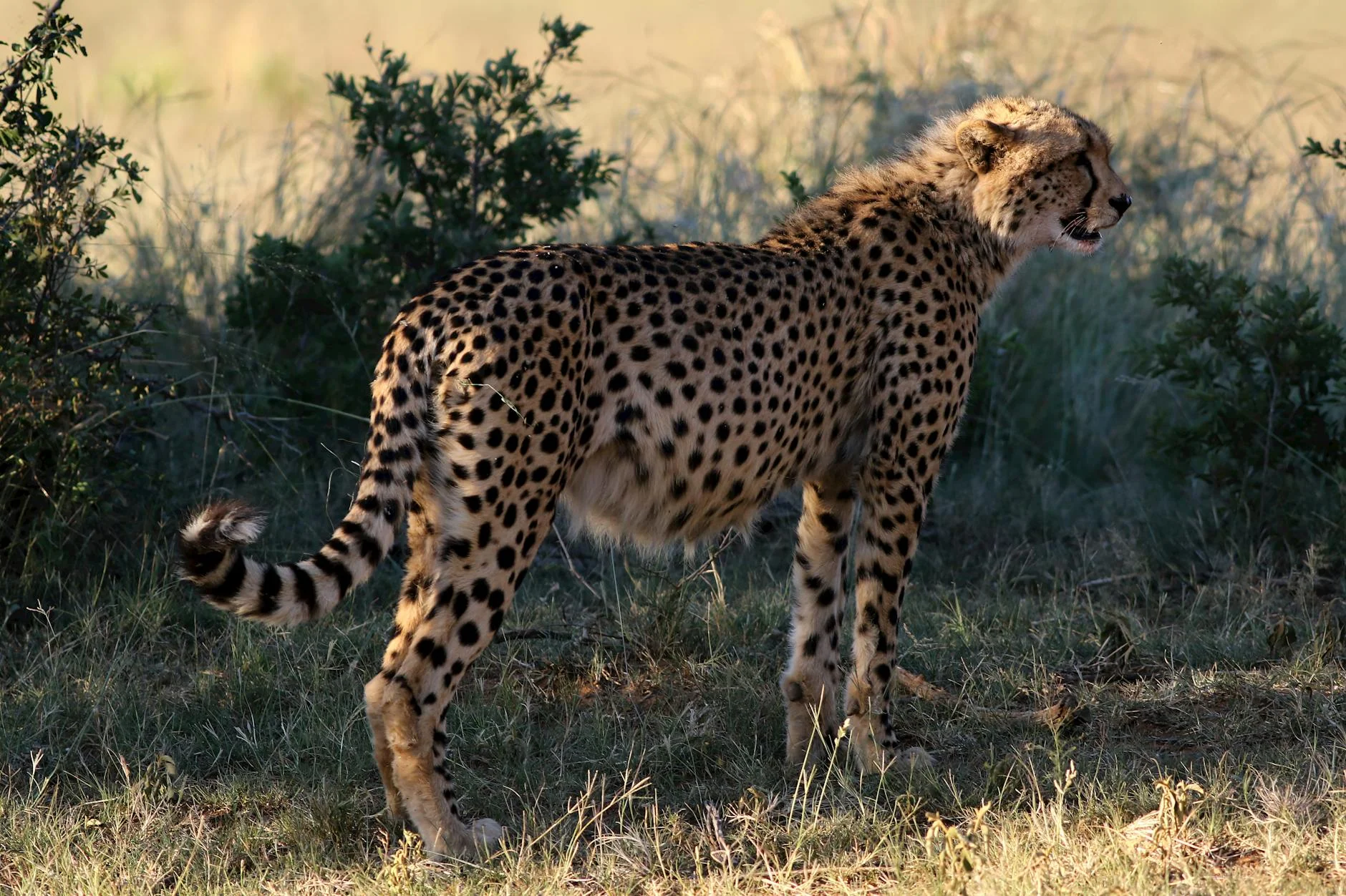
Kruger is renowned for big cat viewing, with high densities of lions throughout the park. Leopards are present but more elusive, often seen in trees or during night drives in private reserves. Cheetahs are less common but can be seen in open areas. The park also supports healthy populations of hyenas and wild dogs, with South Africa being one of the best places to see African wild dogs.
Beyond the Big Five and big cats, Kruger supports hippos, crocodiles, giraffes, zebras, and over 500 bird species. The park's diverse ecosystems support everything from large mammals to small antelope species, creating a complete safari experience. Wildlife viewing is excellent year-round, with different seasons offering different highlights.
Best Time to Visit Kruger
May - September (Dry Season)
This is Kruger's peak safari season, with the dry winter months (June-August) offering the best wildlife viewing. Animals congregate around water sources, making wildlife easier to spot. The weather is cool and dry, with clear skies ideal for photography. This is the best time for wildlife enthusiasts and photographers, though prices are highest and accommodation books early. The dry conditions make wildlife viewing optimal, with excellent visibility and animal concentrations.
October - April (Wet Season)
The wet season brings lush green landscapes, excellent bird watching, and lower prices. While wildlife is more dispersed and some roads may be challenging, this season offers beautiful scenery and fewer tourists. The summer months (December-February) are hot and wet, while spring (September-November) and autumn (March-April) offer pleasant temperatures. This period is ideal for birdwatchers and value-conscious travellers, with the park's birdlife at its most active.
Self-Drive vs Guided Safaris
Kruger offers both self-drive and guided safari options, each with distinct advantages. Understanding the differences helps you choose the experience that best matches your preferences and comfort level.
Self-Drive Safaris
- Flexibility to explore at your own pace
- Cost-effective option
- Well-maintained roads and good infrastructure
- Rest camps provide accommodation and facilities
- Ideal for independent travellers
- Must stay on designated roads
Guided Safaris
- Expert knowledge and wildlife tracking
- Off-road access in some areas
- Night drives available in private reserves
- All-inclusive packages available
- Ideal for first-time safari-goers
- More expensive but more exclusive
Activities and Experiences
Game Drives
Game drives are the primary activity in Kruger, whether self-driven or guided. Morning and afternoon drives offer the best wildlife viewing, with early morning and late afternoon being peak times for animal activity. The park's excellent road network makes self-driving easy, while guided drives provide expert knowledge and access to areas not accessible to self-drive vehicles. Game drives typically last 3-4 hours, with opportunities to see the Big Five and diverse wildlife.
Night Drives
Night drives are available in private reserves adjacent to Kruger, offering opportunities to see nocturnal species like leopards, hyenas, and various small mammals. These drives are not permitted in the national park itself but are a highlight of staying in private reserves. Night drives provide a different perspective on the ecosystem, with many species being more active after dark.
Bird Watching
Kruger is exceptional for bird watching, with over 500 bird species recorded. The park's diverse ecosystems support everything from large raptors to small songbirds, with different areas offering different species. The wet season (October-April) is particularly good for bird watching, with migratory species present and resident birds at their most active. Many rest camps have bird hides and viewing areas, making bird watching accessible to all visitors.
Photography
Kruger is excellent for photography, with diverse landscapes, abundant wildlife, and good road access providing numerous opportunities. The park's open areas provide excellent visibility, while the varied habitats offer different photographic settings. Early morning and late afternoon light is particularly beautiful, with golden hours creating stunning images. The park's infrastructure makes it easy to access prime photography locations.
Accommodation Overview
Kruger offers a wide range of accommodation, from basic rest camp bungalows to luxury guesthouses. Rest camps provide restaurants, shops, and fuel stations, making them ideal for self-drive safaris. Accommodation styles range from basic to luxury, suitable for various budgets and preferences.
Many rest camps are located in prime wildlife areas, maximizing viewing opportunities. Private reserves adjacent to Kruger offer luxury lodges with all-inclusive packages, providing a different experience from the national park. These reserves often offer more exclusive experiences with fewer vehicles, off-road driving, and night drives. Many private reserves are malaria-free, making them popular with families.
Ready to Visit Kruger National Park?
Discover our South Africa safari holidays that include Kruger National Park, combining Big Five encounters, self-drive options, and other incredible wildlife experiences.
View South Africa Safari Holidays