South Africa Safari Destination – Kruger National Park
Explore South Africa, one of Africa's premier safari destinations, perfectly accessible from the UK with direct flights from London. Experience Kruger National Park, one of Africa's largest game reserves, with world-class infrastructure and excellent wildlife viewing.
South Africa suits first-time safari-goers seeking the Big Five, families looking for accessible and malaria-free options, self-drive enthusiasts wanting flexibility, and travellers seeking excellent infrastructure combined with exceptional wildlife viewing. With world-class facilities, diverse wildlife, and easy accessibility, South Africa offers the perfect introduction to African safaris.
Big Five
All present
Malaria-Free
Private reserves
Flight Time
11-12 hours
Best Season
May-September
Why Visit South Africa?
South Africa offers UK travellers an exceptional safari experience with world-class infrastructure, excellent accessibility, and diverse wildlife viewing. The country combines legendary game reserves with modern facilities, making it ideal for first-time safari-goers and families seeking comfort alongside adventure.
Kruger National Park
One of Africa's largest game reserves, covering over 19,000 square kilometres with excellent Big Five viewing. Kruger offers both self-drive and guided safari options, making it accessible to all types of travellers. The park's excellent road network and infrastructure make it ideal for first-time safari-goers.
Direct Flights
11-12 hour direct flights from London Heathrow to Johannesburg make South Africa one of the most accessible African safari destinations for UK travellers. Daily flights with British Airways and Virgin Atlantic provide convenient connections, with good onward connections to safari destinations.
Malaria-Free Options
Many private reserves in South Africa offer malaria-free safari experiences, making them ideal for families with young children and travellers concerned about malaria. These reserves provide excellent Big Five viewing without the need for anti-malarial medication, offering peace of mind alongside exceptional wildlife experiences.
World-Class Infrastructure
Excellent road networks, modern facilities, and well-developed tourism infrastructure make South Africa one of the most comfortable safari destinations. The country's infrastructure supports both self-drive and guided safaris, offering flexibility and convenience for UK travellers.
Big Five Viewing
South Africa offers excellent Big Five viewing in both Kruger National Park and private reserves. The country's well-managed parks and reserves support healthy wildlife populations, with high success rates for seeing all five iconic species. Private reserves often offer more exclusive viewing experiences with fewer vehicles.
Family-Friendly
South Africa is ideal for families, with malaria-free options, excellent infrastructure, and family-friendly accommodation. Many reserves welcome children and offer age-appropriate activities. The country's accessibility and comfort make it perfect for introducing children to African safaris.
South Africa's Best Safari Regions and National Parks
South Africa's safari destinations are primarily concentrated in the northeast, with Kruger National Park and surrounding private reserves forming the heart of the safari experience. The country offers both national park and private reserve experiences, each with distinct advantages. Private reserves often provide more exclusive experiences, while Kruger offers excellent self-drive opportunities.
South Africa's Premier Safari Parks in Detail
Kruger National Park – Big Five & Self-Drive
Kruger National Park is one of Africa's largest game reserves, covering over 19,000 square kilometres of diverse landscapes. The park offers excellent Big Five viewing with well-maintained roads making it ideal for self-drive safaris. Kruger's size and diversity mean you can spend weeks exploring different areas, each with distinct wildlife and landscapes. The southern section is more accessible and popular, while the north offers more remote wilderness experiences. The best time to visit is during the dry season (May-September) when wildlife congregates around water sources, making viewing easier. The park's excellent infrastructure includes rest camps, restaurants, and fuel stations, making it comfortable for self-drive travellers. Private reserves adjacent to Kruger offer more exclusive experiences with off-road driving and night drives not permitted in the national park.
Learn more about Kruger National Park →Wildlife You Can Expect in South Africa
South Africa is home to an extraordinary diversity of wildlife, from the iconic Big Five to unique species found nowhere else. The country's well-managed parks and reserves support healthy wildlife populations, making it one of the best destinations for reliable Big Five viewing.
Big Five
South Africa offers excellent Big Five viewing in both Kruger National Park and private reserves. Lions are common throughout Kruger, with large prides often seen. Elephants form large herds, particularly in the northern sections. Rhinos are present in both white and black rhino populations. Leopards are more elusive but can be seen, while buffalo are widespread. Private reserves often offer higher success rates for seeing all five species.
Big Cats
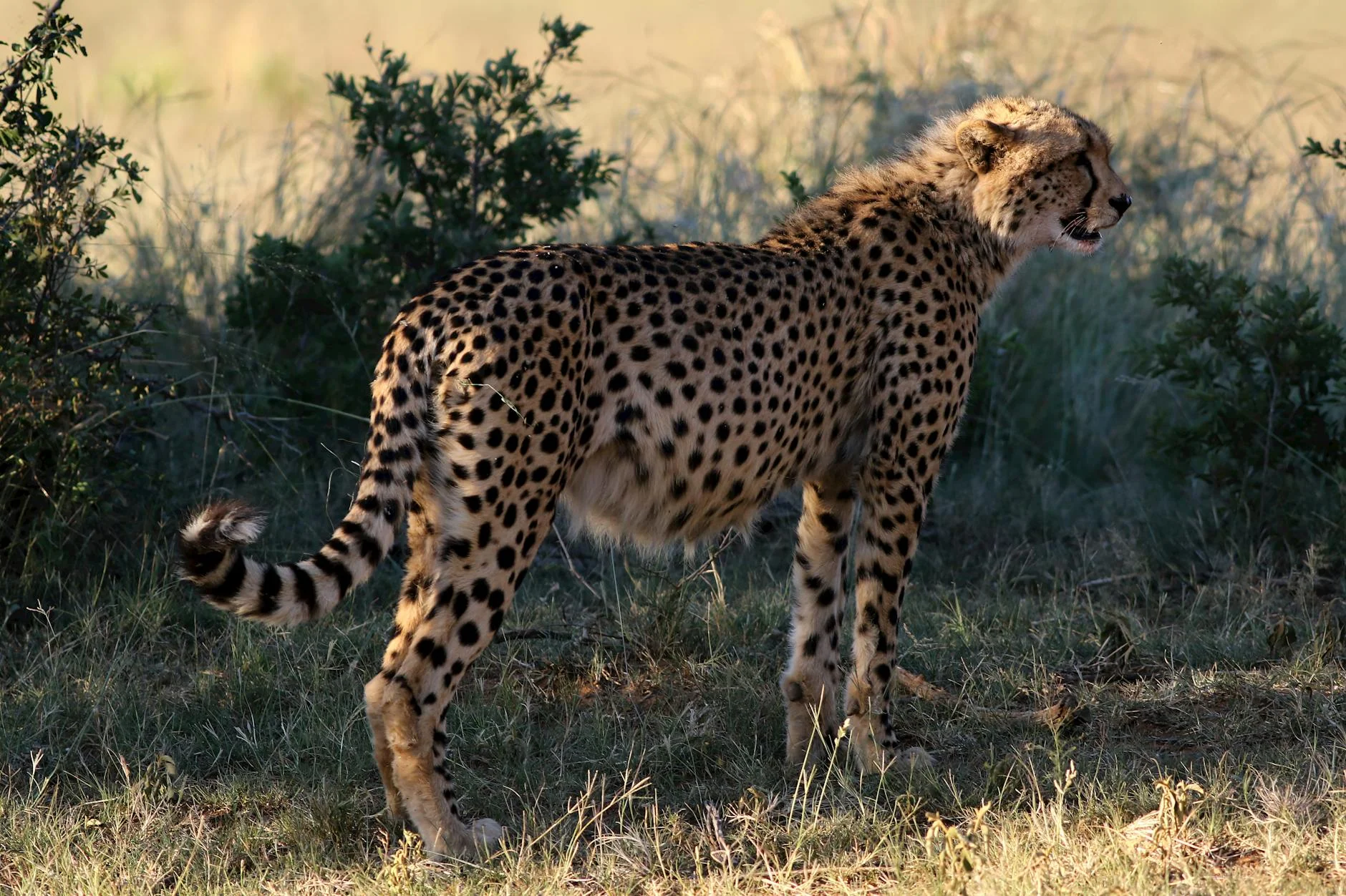
South Africa is renowned for big cat viewing, with high densities of lions in Kruger and private reserves. Leopards are present but more elusive, often seen in trees or during night drives in private reserves. Cheetahs are less common but can be seen in open areas. Private reserves often provide better opportunities for big cat viewing with off-road driving and expert guides.
Wild Dogs & Other Predators
South Africa is one of the best places to see African wild dogs, with several packs in Kruger and private reserves. Hyenas are common and often seen at kills. The country also supports healthy populations of smaller predators like jackals and caracals. Private reserves often have better wild dog viewing due to smaller areas and expert tracking.
Birds and Other Wildlife
South Africa boasts over 500 bird species, with Kruger particularly rich in birdlife. The country's diverse ecosystems support everything from large mammals to small antelope species. River systems support hippos, crocodiles, and diverse waterbirds. The country is also home to unique species like the endangered African wild dog and various antelope species found only in southern Africa.
Best Time to Visit South Africa for Safari
South Africa's climate and wildlife patterns create distinct seasons, each offering different experiences. Understanding these seasons helps you choose the best time for your interests, whether you're seeking optimal wildlife viewing, family-friendly weather, or better value.
May–September: Dry Season & Peak Viewing
This is South Africa's peak safari season, with the dry winter months (June-August) offering the best wildlife viewing. Animals congregate around water sources, making wildlife easier to spot. The weather is cool and dry, with clear skies ideal for photography. This is the best time for wildlife enthusiasts and photographers, though prices are highest and accommodation books early.
Best for: Optimal wildlife viewing, photographers, clear skies, comfortable temperatures
October–April: Wet Season & Green Landscapes
The wet season brings lush green landscapes, excellent bird watching, and lower prices. While wildlife is more dispersed and some roads may be challenging, this season offers beautiful scenery and fewer tourists. The summer months (December-February) are hot and wet, while spring (September-November) and autumn (March-April) offer pleasant temperatures. This period is ideal for birdwatchers and value-conscious travellers.
Best for: Birdwatchers, value travellers, green landscapes, fewer crowds
Practical Travel Tips for UK Travellers
Planning a South Africa safari from the UK involves several practical considerations. Understanding flight options, time differences, currency, connectivity, and travel logistics helps ensure a smooth and enjoyable experience.
Flight Routing
Direct flights from London Heathrow to Johannesburg take approximately 11-12 hours. British Airways and Virgin Atlantic offer daily direct services. There are also connecting flights available from other UK airports via major hubs. Most safari itineraries include domestic flights or road transfers from Johannesburg to Kruger or private reserves, typically taking 1-2 hours by air or 4-5 hours by road.
Time Difference
South Africa is GMT+2 year-round, meaning it's 2 hours ahead of UK time during GMT and 1 hour ahead during British Summer Time (BST). This time difference is relatively easy to adjust to, and most safari activities start early in the morning, aligning with natural wake times.
Money & Currency
The South African Rand (ZAR) is the local currency, though credit cards are widely accepted at lodges, camps, and for most purchases. US Dollars and British Pounds are sometimes accepted at tourist establishments. ATMs are widely available in cities and towns. Tipping guides and staff is customary, typically in Rand or foreign currency.
SIM Cards & Data
Local SIM cards are available at airports and in towns, with Vodacom and MTN offering good coverage. Data packages are affordable and provide good coverage in most safari areas, though some remote locations have limited signal. Most lodges offer Wi-Fi, though speeds vary. Check with your UK mobile provider about roaming packages.
Self-Drive vs Guided Safaris
South Africa offers both self-drive and guided safari options. Kruger National Park is excellent for self-drive safaris with well-maintained roads and good infrastructure. Private reserves typically require guided game drives. Self-drive offers flexibility and cost savings, while guided safaris provide expert knowledge and off-road access in private reserves.
What to Pack
Pack neutral-coloured clothing (khaki, beige, olive), layers for early morning game drives, sun protection (hat, sunscreen, sunglasses), binoculars, camera equipment, and comfortable walking shoes. Winter months (June-August) can be cold, especially in the mornings, so bring warm layers. Most lodges provide laundry services.
View our complete safari packing list →Safety, Health, and Entry Requirements
South Africa is generally safe for tourists, with well-established safari tourism infrastructure. However, it's important to understand entry requirements, health precautions, and safety considerations before travelling.
Visa & Entry Requirements
UK passport holders do not require a visa for stays up to 90 days in South Africa. However, you must have at least two blank pages in your passport and ensure it's valid for at least 30 days beyond your intended departure date. Entry requirements can change, so check the latest information before travel.
Learn more about visa requirements →Vaccinations & Health
No mandatory vaccinations are required for South Africa, though Yellow Fever vaccination may be required if you're arriving from a Yellow Fever endemic country. Consult your GP or a travel health clinic 6-8 weeks before departure for the latest health advice. Recommended vaccinations may include routine vaccinations (MMR, DTP). Malaria prophylaxis is recommended for Kruger National Park and surrounding areas, though many private reserves are malaria-free.
Read our health and vaccination guide →Malaria Precautions
Malaria is present in Kruger National Park and surrounding areas, so taking anti-malarial medication is recommended if visiting these areas. However, many private reserves in South Africa are malaria-free, making them ideal for families and travellers concerned about malaria. If visiting malaria areas, use insect repellent, wear long sleeves in the evenings, and sleep under mosquito nets.
Travel Insurance
Comprehensive travel insurance is essential for any South Africa safari. Ensure your policy covers medical expenses, emergency evacuation, trip cancellation, and loss of belongings. Check that your policy covers adventure activities and verify coverage limits. South Africa has excellent medical facilities, but insurance is still important.
Read our travel insurance guide →Safari Safety
Safari activities are generally very safe when following your guide's instructions. Always stay in your vehicle during game drives unless your guide explicitly permits you to exit. In self-drive situations, keep windows closed and doors locked. Listen carefully to safety briefings. Lodges and camps have security measures in place, and guides are highly trained in wildlife behaviour and safety protocols.
Culture & Local Experiences
South Africa's rich cultural heritage adds depth to any safari experience. Understanding the country's diverse cultures and history enhances appreciation for the landscapes and wildlife you'll encounter.
Diverse Cultures
South Africa is home to diverse cultures, with 11 official languages reflecting the country's rich heritage. Cultural experiences can include visits to local communities, traditional villages, and cultural sites. Many safari lodges offer cultural activities that provide respectful insights into local traditions and ways of life.
Conservation Initiatives
South Africa has strong conservation initiatives, with many private reserves and national parks managed for wildlife protection. Community-based conservation programs support both wildlife and local communities. Many reserves are involved in rhino conservation and other species protection programs.
Cities & Attractions
Johannesburg and Cape Town offer cultural attractions, markets, restaurants, and historical sites. Many travellers combine safari with visits to Cape Town, the Garden Route, or other South African attractions. The country's excellent infrastructure makes it easy to combine safari with other experiences.
Wine & Food
South Africa is famous for its wine regions, particularly around Cape Town. Many travellers combine safari with wine tasting tours. The country also offers excellent cuisine, with diverse influences from various cultures. Food and wine experiences can be easily combined with safari itineraries.
Where to Stay: South Africa Safari Accommodation Styles
South Africa offers diverse accommodation styles, from luxury lodges to comfortable rest camps. Understanding the different options helps you choose accommodation that matches your preferences, budget, and desired safari experience.
Safari Lodges
Safari lodges in South Africa range from mid-range to ultra-luxury, offering comfortable accommodation with en-suite facilities. Many lodges feature swimming pools, restaurants, bars, and spas. They provide a comfortable base for safari activities, with reliable electricity, hot water, and Wi-Fi. Lodges are ideal for travellers seeking comfort and convenience, and are often family-friendly.
Rest Camps (Kruger)
Kruger National Park's rest camps offer a range of accommodation from basic bungalows to luxury guesthouses. These camps are ideal for self-drive safaris, with restaurants, shops, and fuel stations. Rest camps provide an authentic national park experience with good value for money. They're perfect for travellers seeking flexibility and independence.
Private Reserve Lodges
Private reserve lodges often offer more exclusive experiences with smaller guest numbers, highly trained guides, and off-road driving. Many private reserves are malaria-free, making them ideal for families. These lodges typically include all meals and game drives in their rates, providing an all-inclusive safari experience.
What "Luxury" Means in Safari Context
Luxury in a safari context doesn't necessarily mean opulent decor, but rather exceptional service, prime locations, exclusive experiences, and attention to detail. Luxury lodges typically offer smaller guest numbers, highly trained guides, excellent food, and unique experiences like private game drives or bush dining. The focus is on providing an authentic, comfortable, and memorable safari experience.
Family-Friendly Accommodation
Many lodges and rest camps offer family-friendly accommodation with family rooms, suites, or interconnected units. Some properties have age restrictions for children on certain activities, while others are specifically designed for families with children's programs, family game drives, and flexible meal times. Malaria-free reserves are particularly popular with families.
Frequently Asked Questions
What makes South Africa a great safari destination?
When is the best time to visit South Africa?
What wildlife can I see in South Africa?
How do I get to South Africa from the UK?
How many days do I need for a South Africa safari?
Is South Africa safe for tourists?
Ready to Plan a South Africa Safari Holiday?
If you're ready to turn this destination knowledge into a real trip, we can help you plan a tailor-made South Africa safari holiday from the UK. Our team creates custom itineraries combining the best parks and reserves, luxury accommodation, and expert guides to match your interests, budget, and travel style.
View South Africa Safari Holidays