Elephants on Safari – Where to See Elephants in Africa
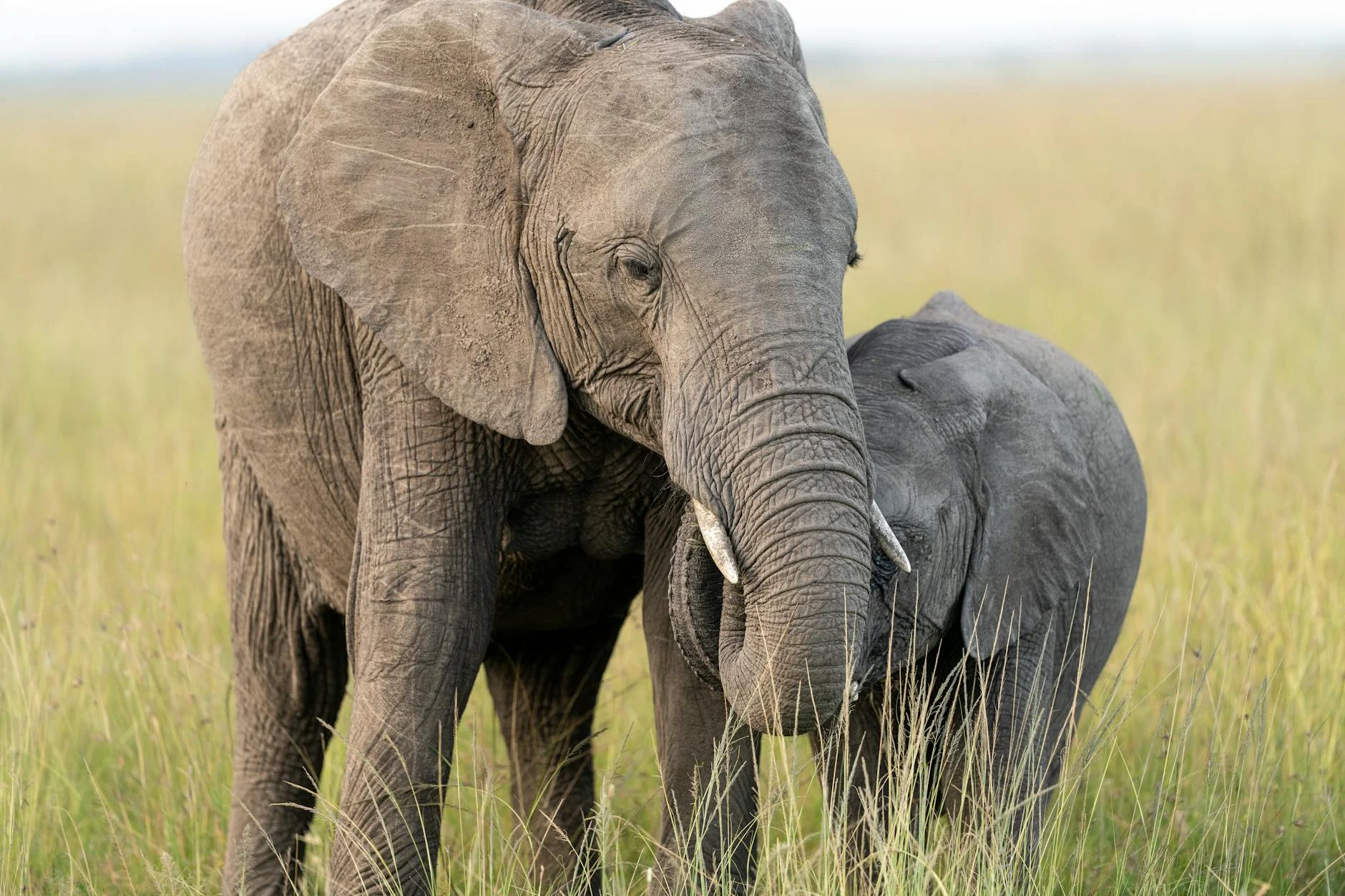
The African elephant (Loxodonta africana) is the world's largest land animal and one of the most iconic animals to see on safari. These intelligent, social creatures are found across sub-Saharan Africa and are a highlight for many UK travellers embarking on their first African safari adventure.
Elephants are easily spotted on safari due to their large size and tendency to gather in herds. Understanding elephant behaviour, the best places to see elephants, and optimal viewing times can significantly enhance your safari experience. From the large herds of Amboseli with Mount Kilimanjaro in the background to the incredible densities of Chobe National Park, elephants offer unforgettable wildlife viewing opportunities.
About Elephants on Safari – Physical Characteristics and Identification
Male Elephants (Bulls)
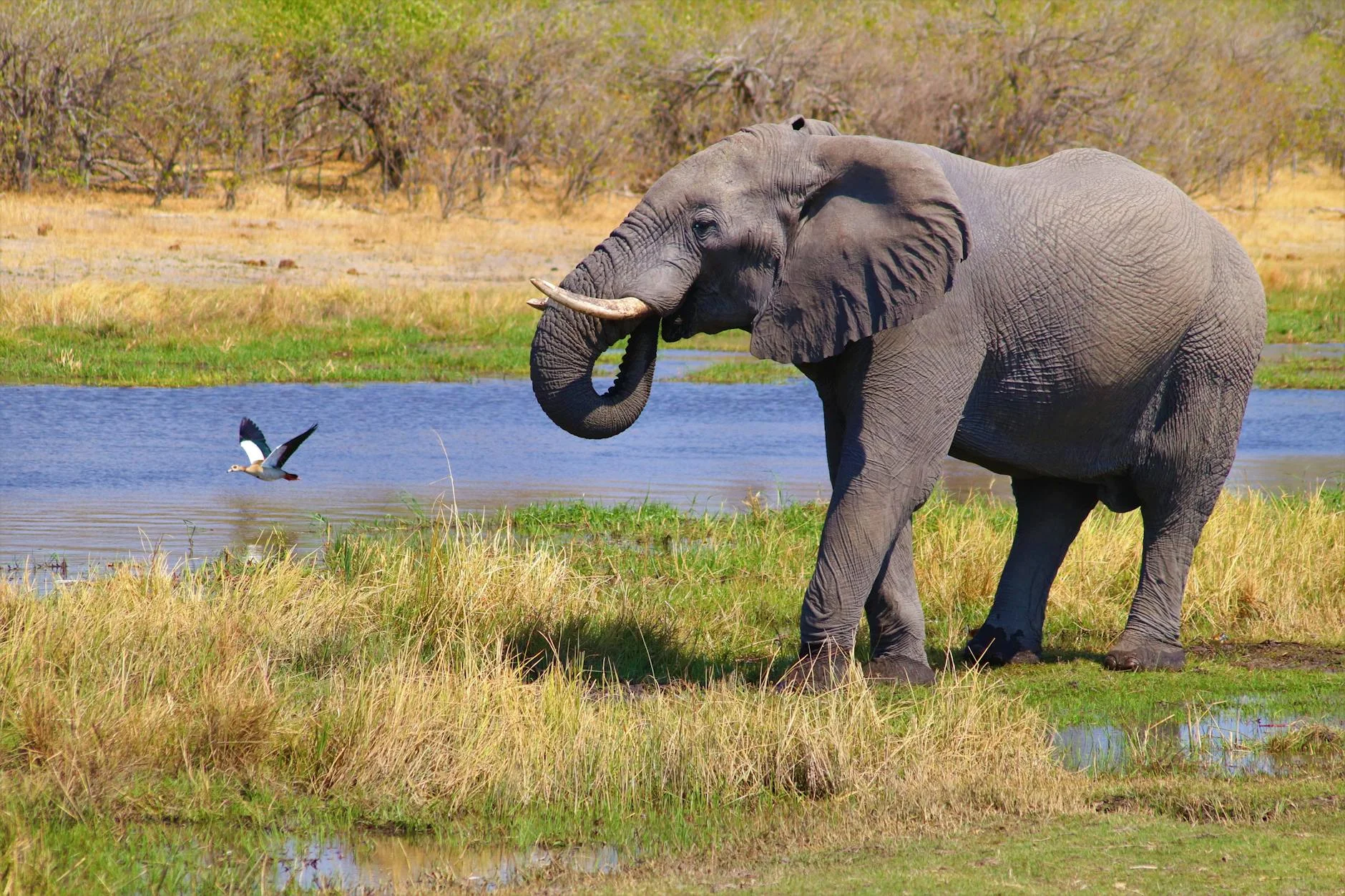
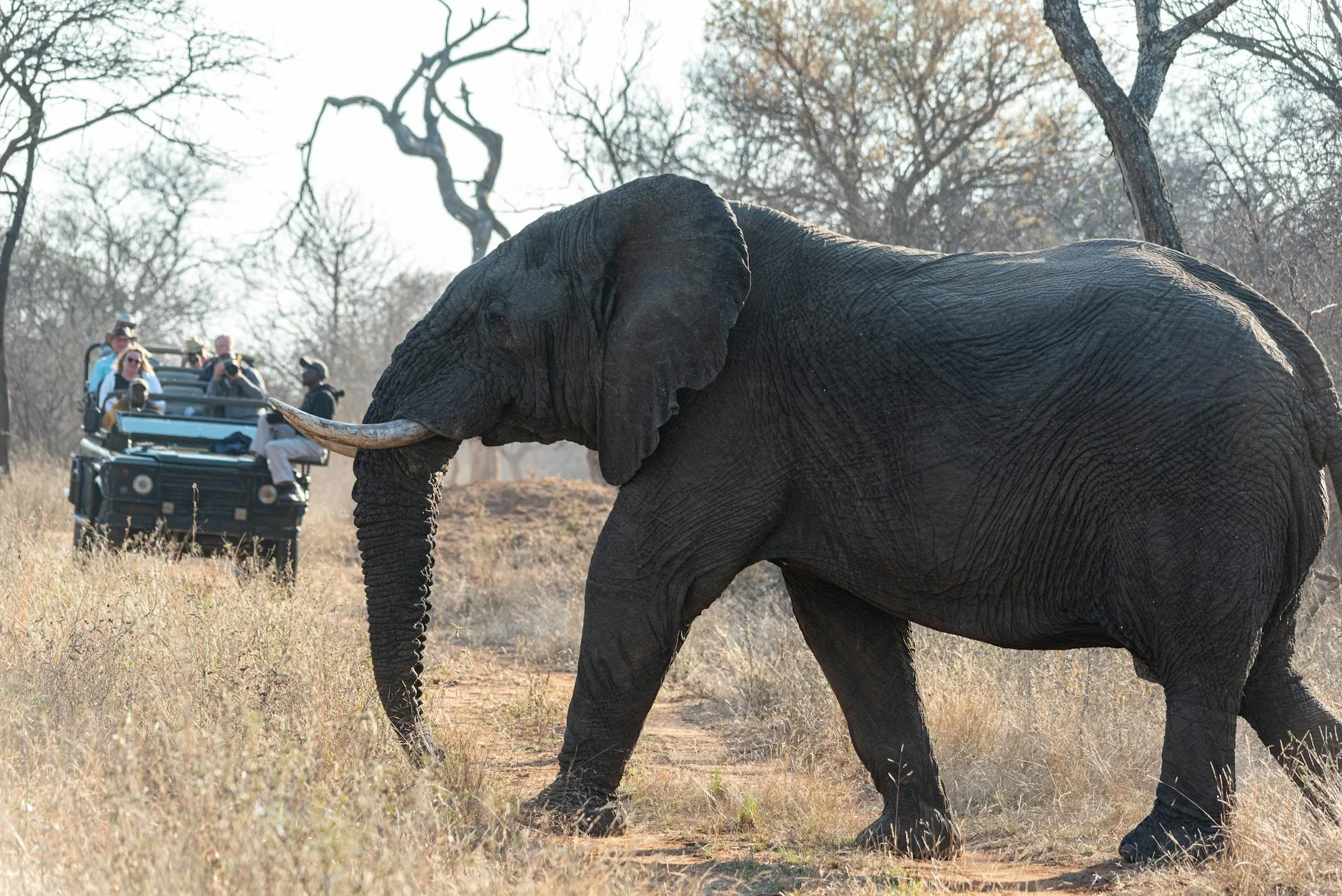
Adult male elephants are larger than females, standing up to 4 meters (13 feet) tall and weighing 4,000-7,000kg (8,800-15,400lbs). Males have larger, heavier tusks and typically live alone or in small bachelor groups after leaving their natal herd. Older bulls often have impressive tusks and are easily identifiable by their size and solitary nature.
Female Elephants and Herds
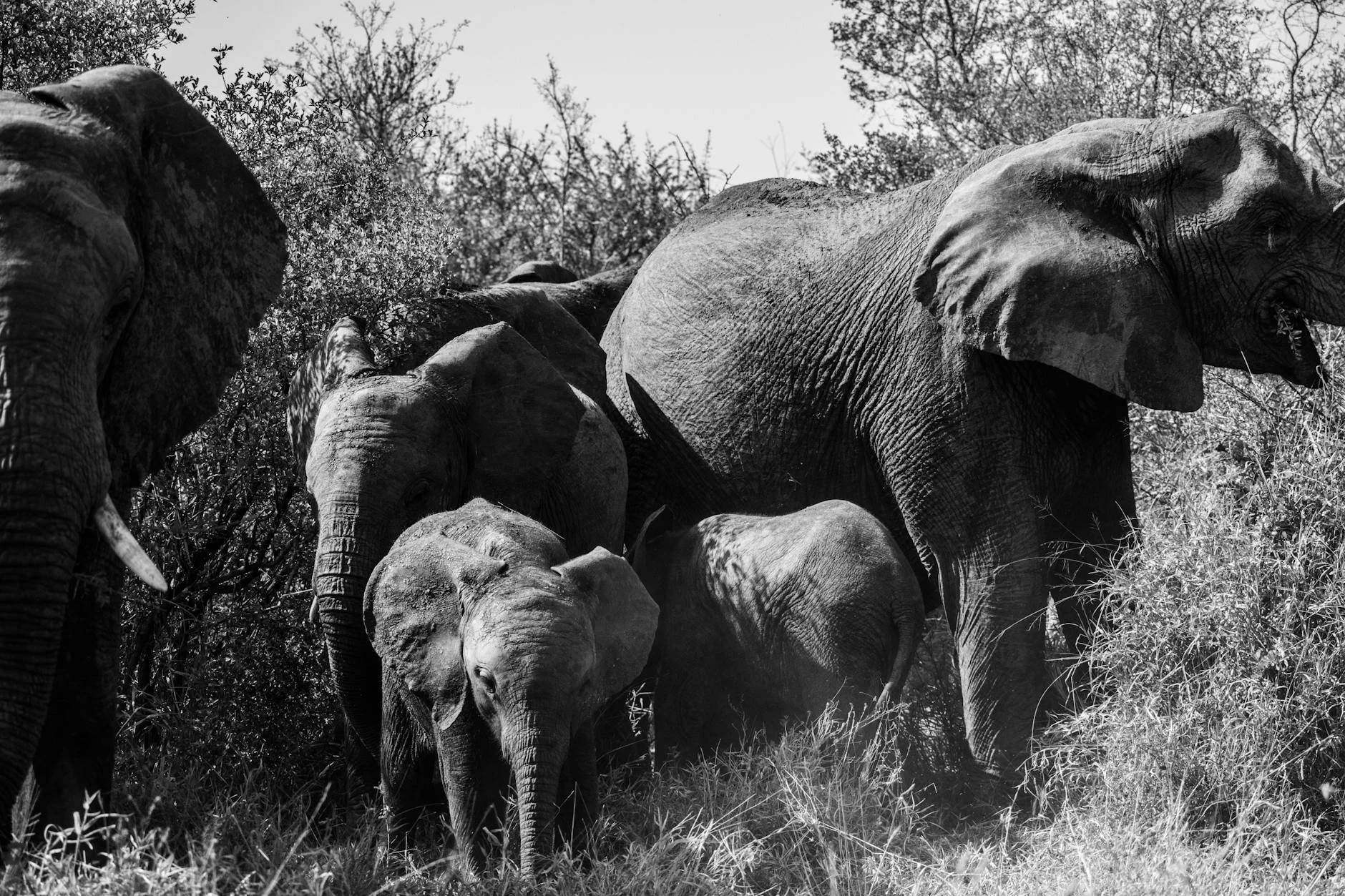
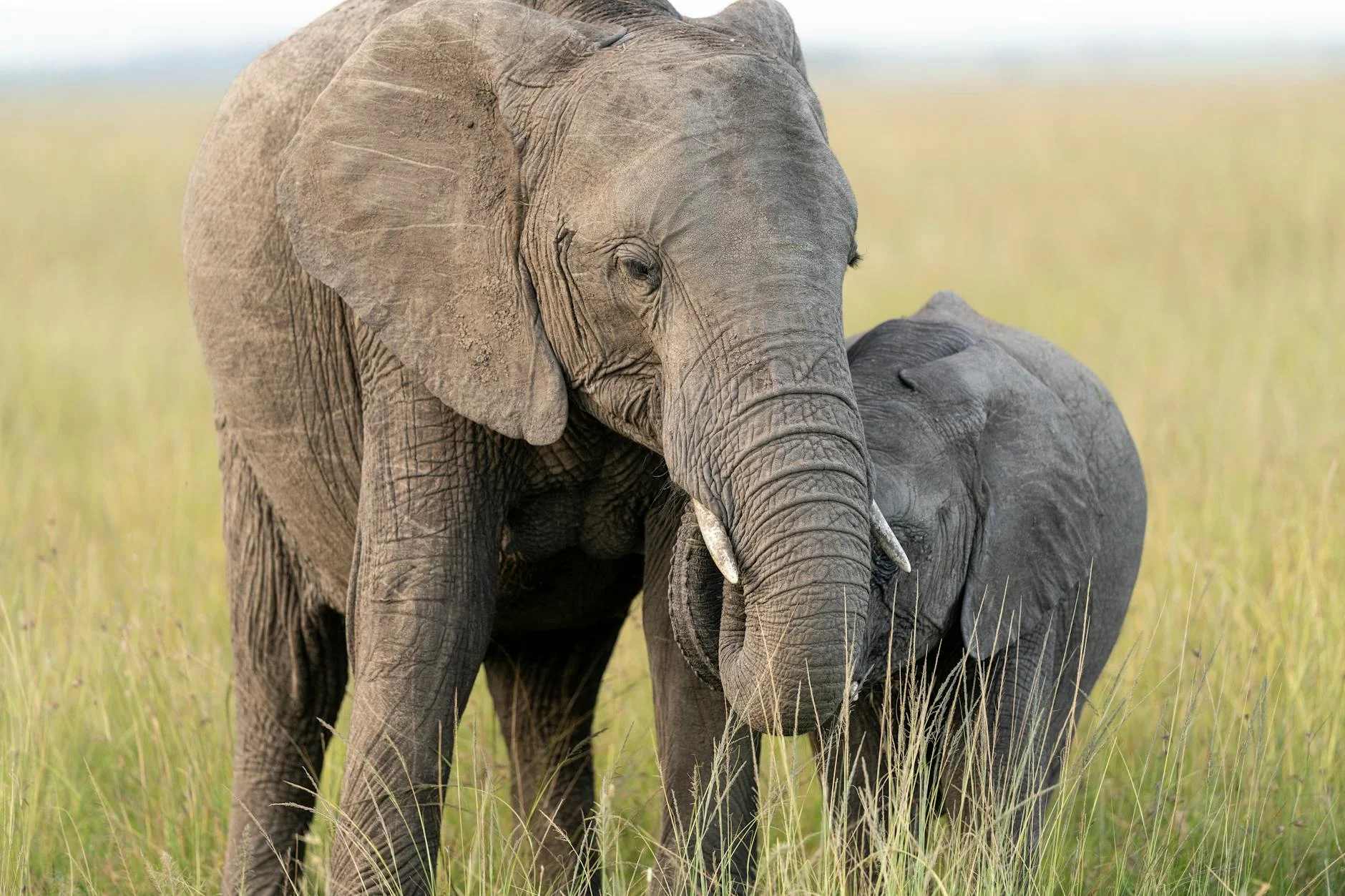
Female elephants live in matriarchal herds led by the oldest and most experienced female. Herds typically consist of 8-12 related females and their calves. The matriarch uses her knowledge of water sources, feeding areas, and safe routes, which is crucial for the herd's survival. Calves stay with their mothers for many years, learning essential skills.
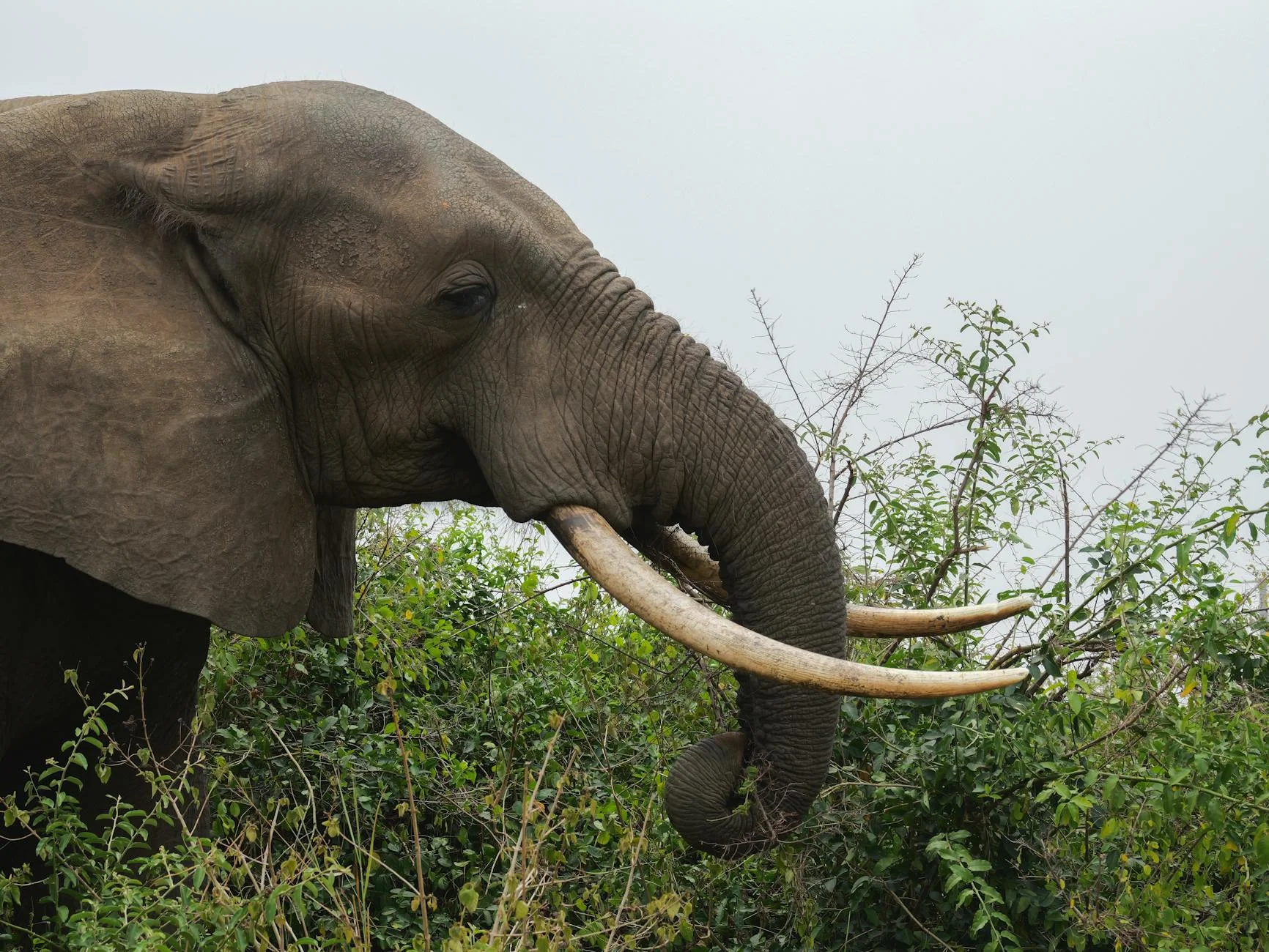
African elephants are distinguished by their large ears (shaped like the African continent), long trunks with two "fingers" at the tip, and both males and females having tusks. Their grey skin is thick and wrinkled, providing protection and helping with temperature regulation. Elephants use their trunks for breathing, smelling, touching, grasping, and producing sounds. On safari, you'll often see elephants using their trunks to feed, drink, or communicate with other herd members.
Elephant Behaviour on Safari – Understanding Herd Dynamics
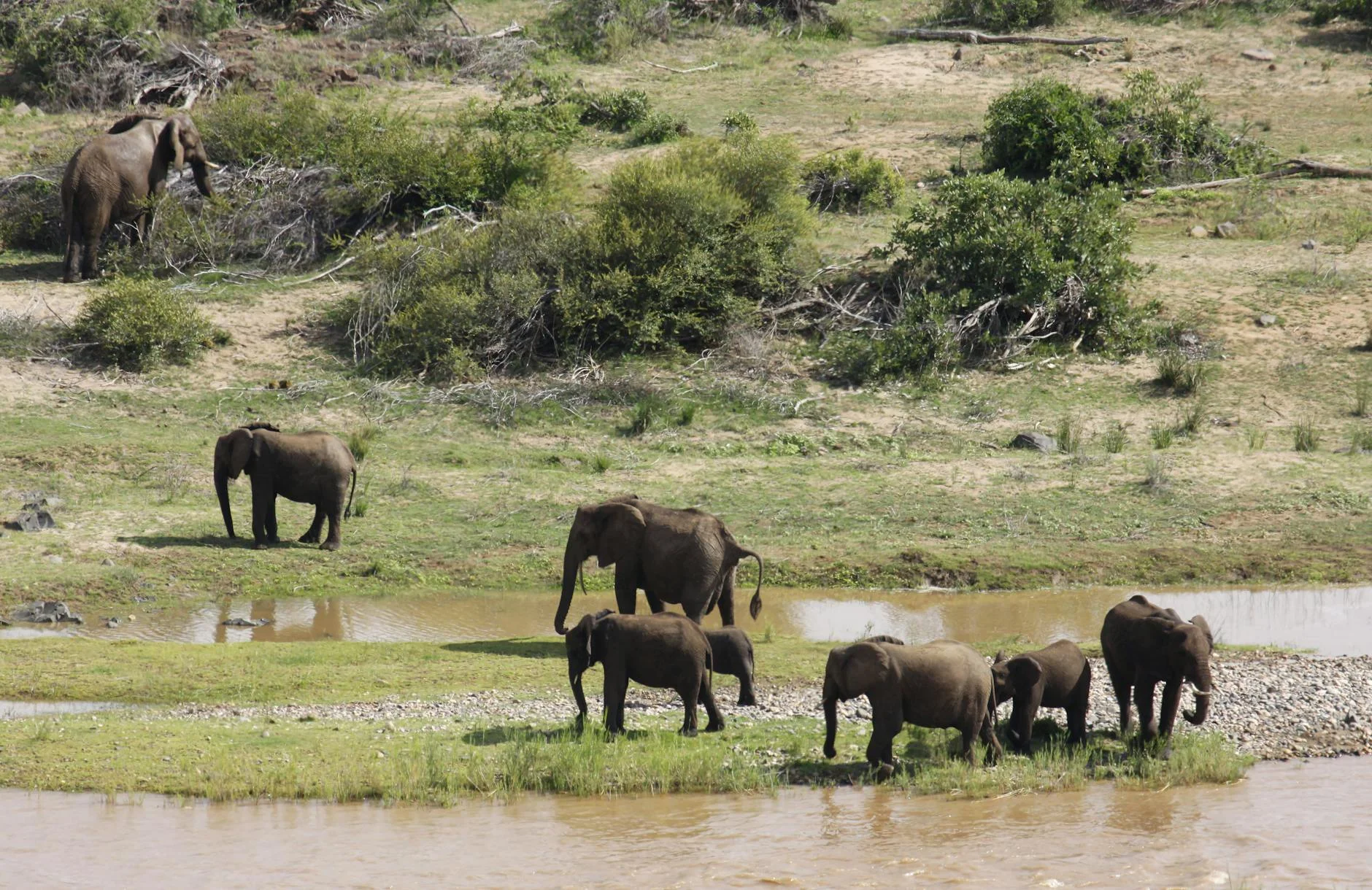
Elephants are highly social and intelligent animals with complex behaviours. They live in matriarchal family groups where the oldest female leads the herd. These family bonds are strong, and elephants display remarkable memory, communication skills, and emotional intelligence. On safari, you'll observe elephants engaging in various behaviours that demonstrate their social nature and intelligence.
Communication
Elephants communicate through a variety of sounds including trumpets, rumbles, and low-frequency infrasound that can travel long distances. They also use body language, touch, and chemical signals. Elephants often greet each other by touching trunks, and mothers constantly touch and reassure their calves.
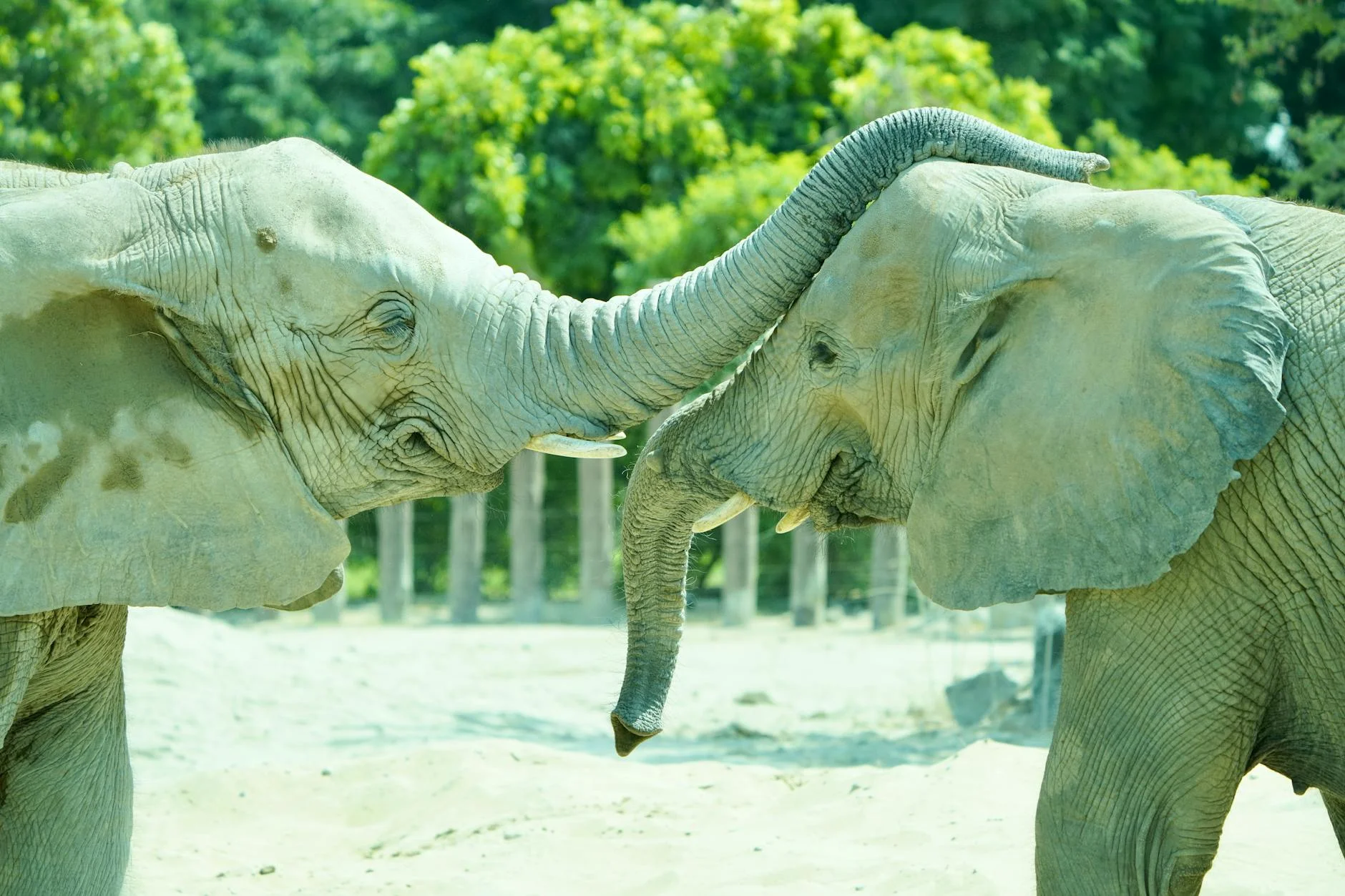
Feeding Behaviour
Elephants spend 12-18 hours per day feeding, consuming 150-300kg of vegetation daily. They use their trunks to pluck leaves, their tusks to strip bark, and their feet to dig for roots. Elephants are ecosystem engineers, creating clearings in forests and maintaining grasslands through their feeding habits.
Water and Bathing
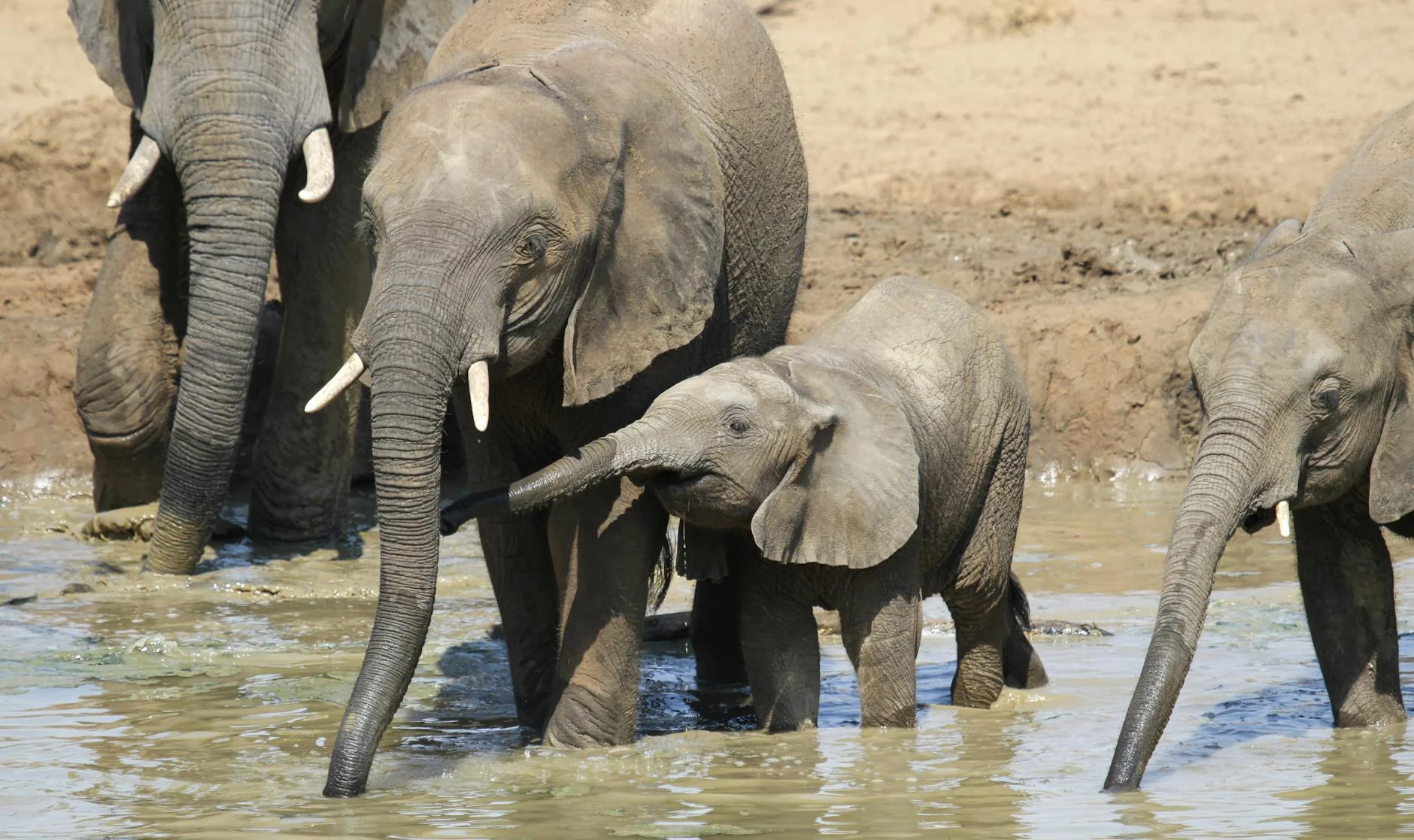
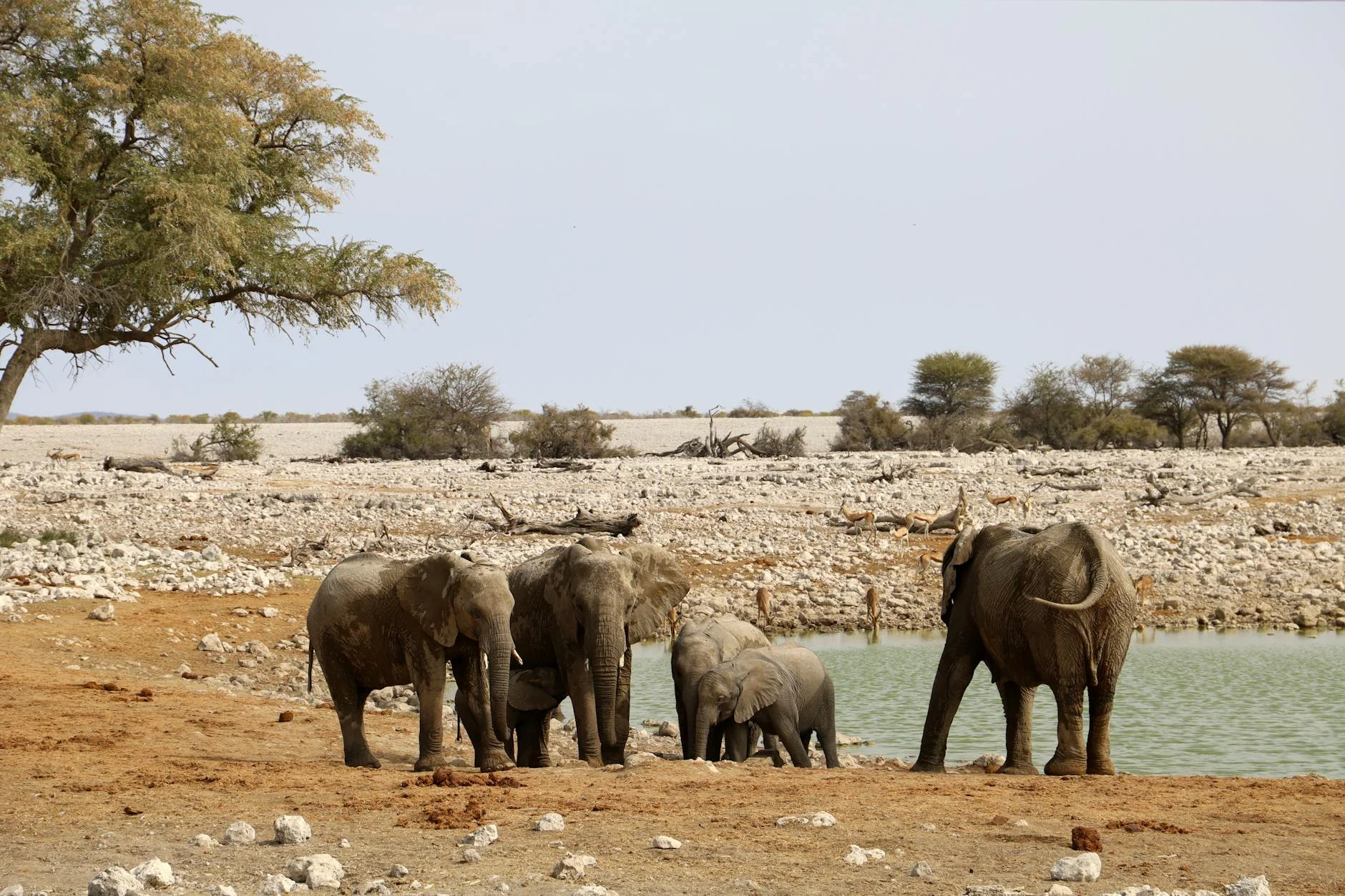
Elephants need to drink 100-200 litres of water daily and are often seen at waterholes, especially during the dry season. They enjoy bathing and mud wallowing, which helps cool them down and protects their skin from sunburn and insects. Watching elephants at waterholes is a highlight of many safaris.
Best Places to See Elephants on Safari in Africa
Amboseli National Park, Kenya
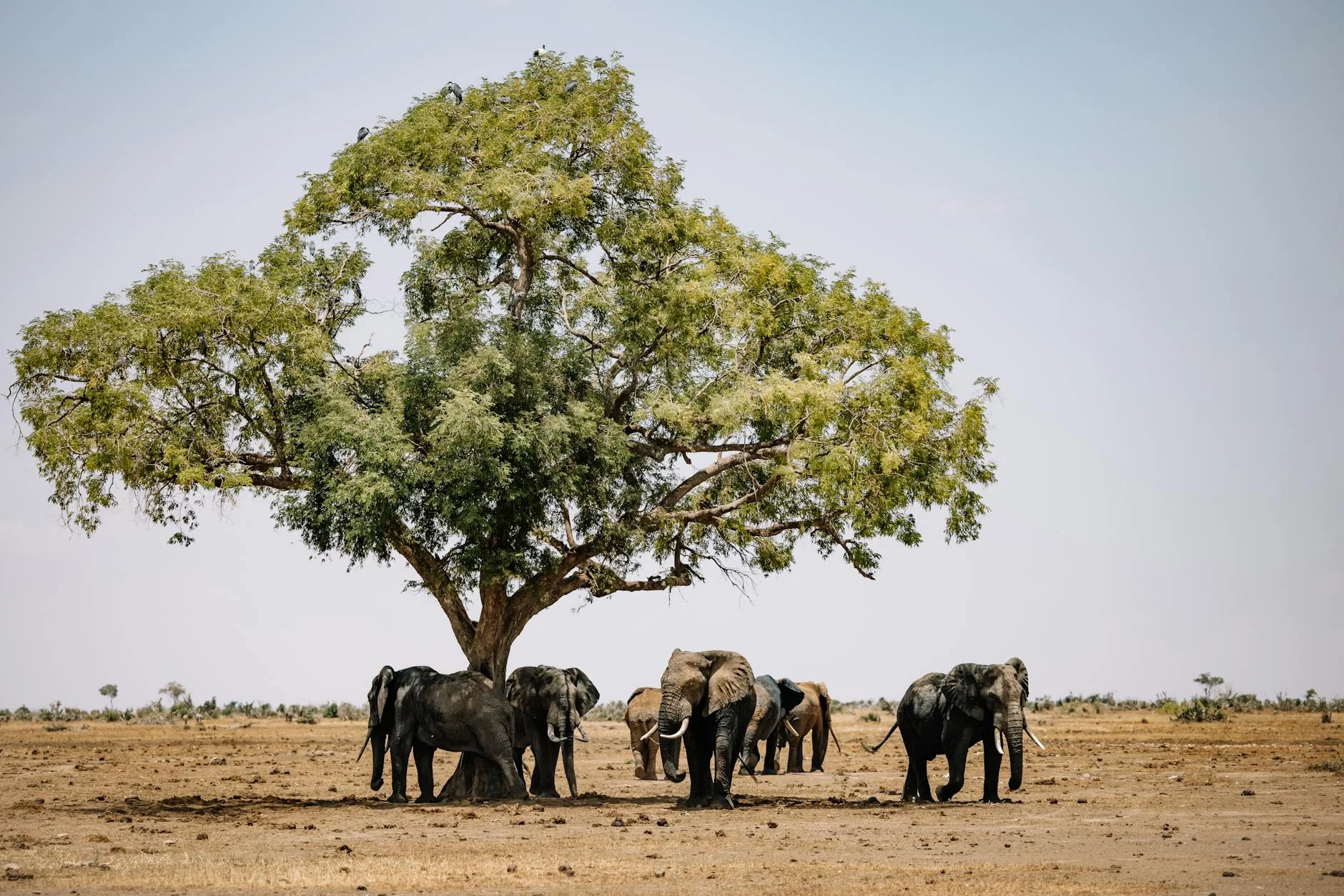
Amboseli is famous for its large elephant herds and stunning views of Mount Kilimanjaro. The park supports approximately 1,600 elephants, and sightings are almost guaranteed. The open grasslands provide excellent visibility, and the backdrop of Africa's highest peak creates iconic photographic opportunities. Amboseli offers exceptional elephant viewing year-round, with particularly good sightings during the dry season.
Learn more about Amboseli →
Chobe National Park, Botswana
Chobe National Park has the highest elephant density in Africa, with an estimated 50,000-70,000 elephants. During the dry season (May-October), hundreds of elephants gather along the Chobe River, creating spectacular viewing opportunities. Boat safaris along the river offer unique perspectives of elephants drinking, bathing, and swimming. The dry season is the best time to visit for elephant viewing.
Learn more about Chobe →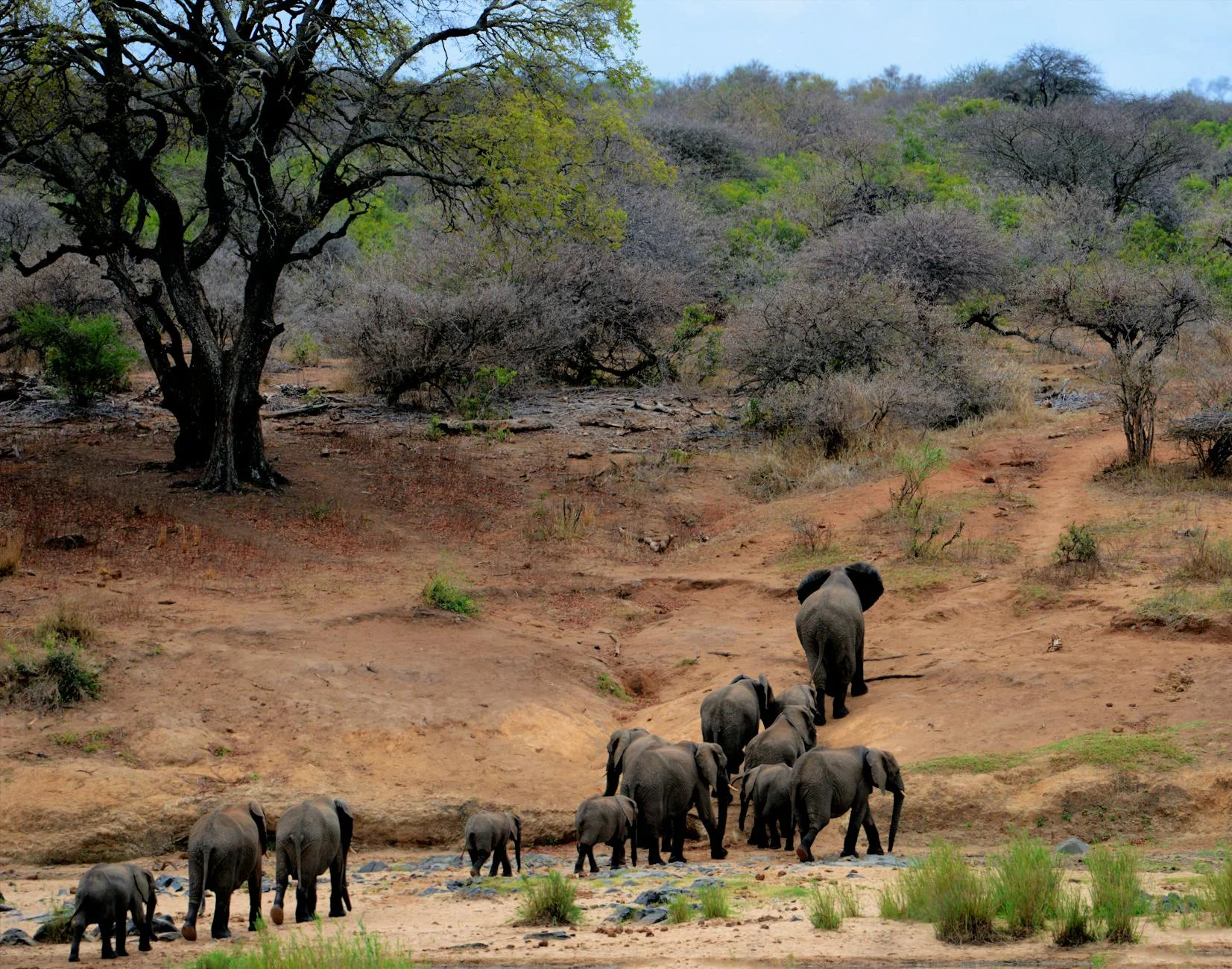
Kruger National Park, South Africa
Kruger National Park is home to approximately 13,000-17,000 elephants, making it one of the best places to see elephants in Southern Africa. The park's excellent road network and high elephant density mean sightings are frequent. Elephants are found throughout the park, from the open savannahs to the mopane woodlands. The dry winter months (May-September) offer the best viewing as elephants gather around waterholes.
Learn more about Kruger →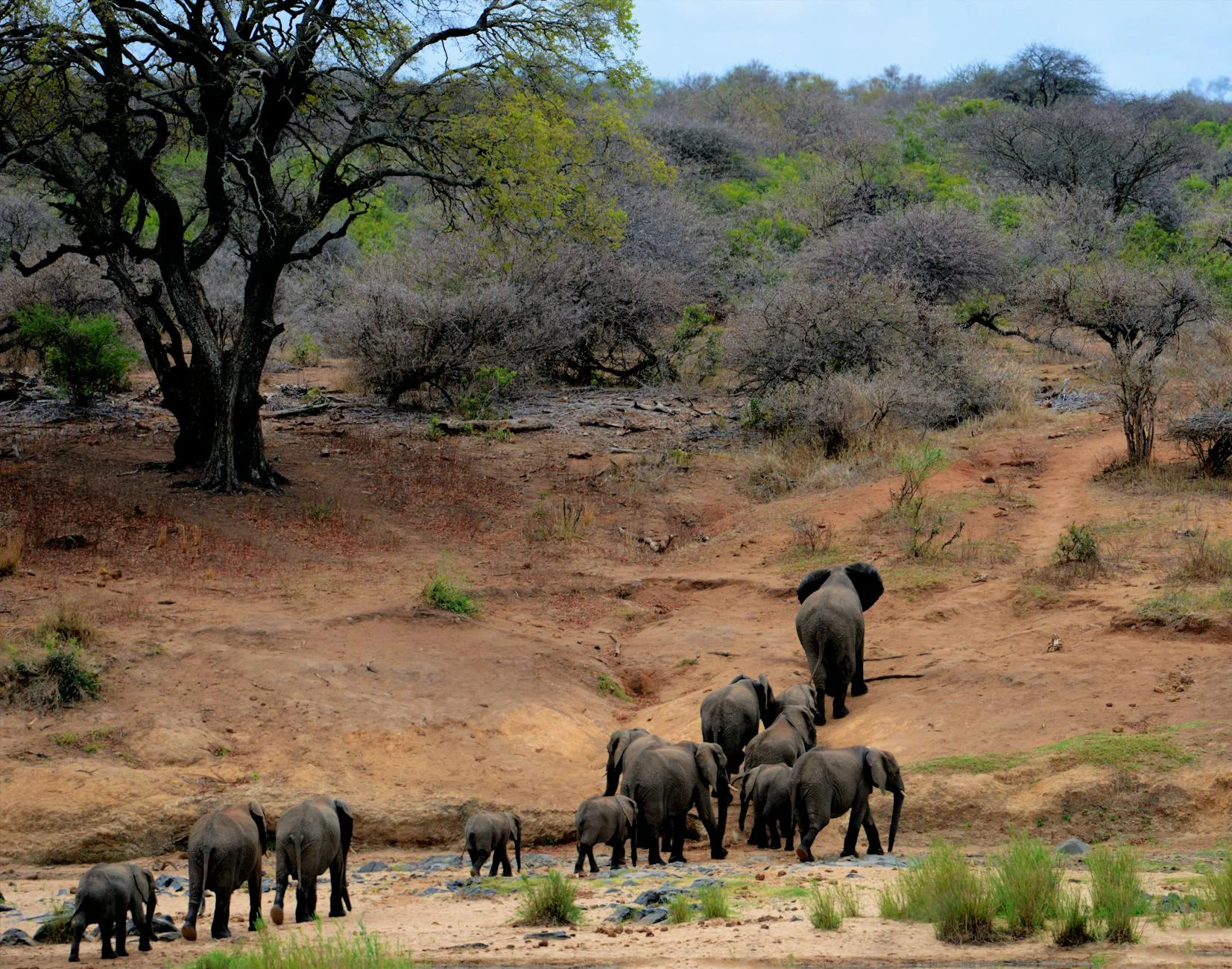
Hwange National Park, Zimbabwe
Hwange National Park supports one of Africa's largest elephant populations, with approximately 40,000-50,000 elephants. The park is particularly good for elephant viewing during the dry season (May-October) when elephants gather at waterholes. The park's waterholes are artificially maintained, creating reliable viewing spots. Hwange offers excellent opportunities to observe large herds and elephant behaviour.
Best Time to See Elephants on Safari – Seasonal Viewing Guide
Elephants can be seen year-round in most African safari destinations, but certain times offer better viewing opportunities. Understanding seasonal patterns can help you plan the best time to see elephants on safari.
Dry Season (May-October)
The dry season is generally the best time to see elephants on safari. As water sources dry up, elephants concentrate around remaining waterholes and rivers, making them easier to find and observe. The sparse vegetation also improves visibility. In destinations like Chobe and Hwange, the dry season brings hundreds of elephants to water sources, creating spectacular viewing opportunities.
Wet Season (November-April)
During the wet season, water is abundant and elephants disperse across the landscape. While elephants are still visible, they may be harder to find as they don't need to gather at specific water sources. However, the wet season brings lush green landscapes and is the calving season, offering opportunities to see young elephants. The wet season also offers fewer crowds and often lower prices.
Time of Day
Elephants are most active during early morning and late afternoon when temperatures are cooler. Early morning game drives (6-9am) offer the best chances of seeing elephants moving, feeding, or heading to water sources. Late afternoon drives (4-7pm) often catch elephants at waterholes, where they gather to drink and bathe. Elephants may rest in the shade during the heat of the day but are still visible and often active.
Elephant Conservation Status – Threats and Protection
Conservation Status
African elephants are classified as "Endangered" (forest elephants) and "Vulnerable" (savannah elephants) on the IUCN Red List. The African elephant population has declined significantly over the past century, primarily due to poaching for ivory and habitat loss. Current estimates suggest 415,000-500,000 African elephants remain in the wild, down from millions a century ago.
Threats and Protection
Major Threats: Elephants face numerous threats including poaching for ivory, habitat loss and fragmentation, human-elephant conflict, and climate change. Poaching remains a significant threat in many areas, driven by demand for ivory in illegal markets.
Conservation Efforts: Many national parks and reserves where elephants are protected have stable or increasing populations. Tourism plays a crucial role in elephant conservation by providing economic incentives for local communities to protect wildlife. Responsible safari tourism funds anti-poaching efforts, habitat protection, and community-based conservation programs.
When choosing a safari operator, look for those that support conservation initiatives and work with local communities. Your visit to see elephants on safari helps fund the protection of these magnificent animals and their habitats for future generations. Many safari operators also support elephant research and conservation projects, contributing directly to elephant protection.