Amboseli National Park – Kenya Safari Guide
Amboseli National Park offers stunning views of Mount Kilimanjaro and is home to some of Africa's largest elephant herds. This comprehensive guide helps UK travellers understand what makes Amboseli special, when to visit for the best mountain views, and what wildlife experiences await in this iconic Kenyan park.
About Amboseli National Park
Located in southern Kenya, approximately 240km from Nairobi, Amboseli National Park covers 392 square kilometers at the foot of Mount Kilimanjaro. The park is famous for its stunning views of Africa's highest peak, which provides a dramatic backdrop to wildlife viewing. The name "Amboseli" comes from a Maasai word meaning "salty dust," referring to the park's dry, dusty plains.
Despite its relatively small size, Amboseli supports diverse ecosystems including swamps, grasslands, acacia woodlands, and the dry lake bed of Lake Amboseli. These varied habitats support an incredible array of wildlife, with the park particularly known for its large elephant herds and excellent big cat viewing. The park's open plains make wildlife easy to spot and photograph.
Wildlife at Amboseli
Elephants
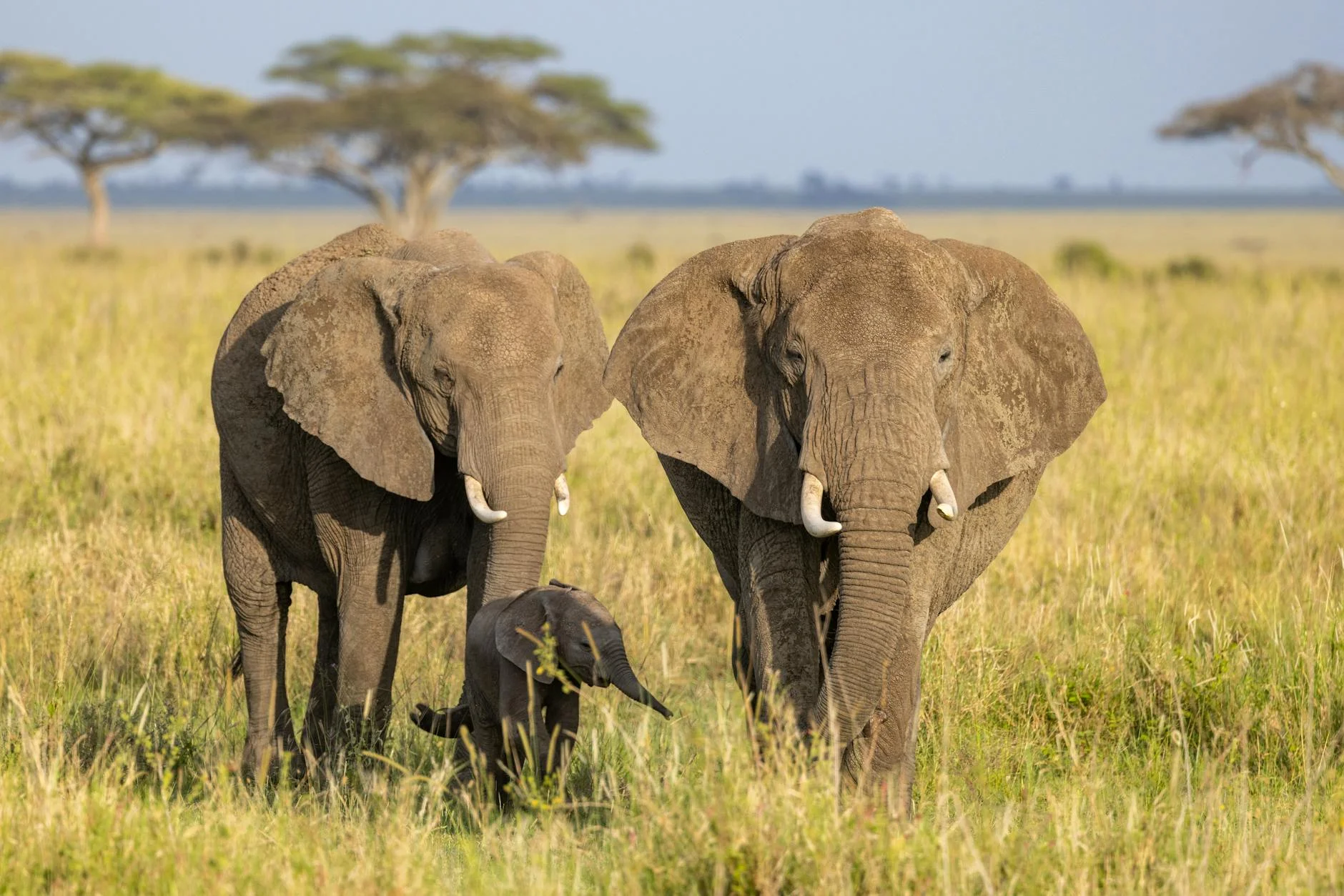
Amboseli is famous for its large elephant herds, with some of the biggest tusked elephants in Africa. The park's elephants are well-studied and known for their impressive tusks. Elephants are commonly seen throughout the park, particularly around the swamps and water sources. The open plains provide excellent opportunities to observe elephant behavior and social interactions.
Big Cats
Amboseli supports healthy populations of lions, cheetahs, and leopards. The open plains make big cats easier to spot, particularly lions and cheetahs. Lions are commonly seen, often resting under acacia trees or hunting on the plains. Cheetahs take advantage of the open terrain for high-speed chases, while leopards are more elusive but present in the woodlands.
Beyond elephants and big cats, Amboseli supports buffalo, giraffes, zebras, wildebeest, various antelope species, and over 400 bird species. The park's swamps attract waterbirds, while the grasslands support diverse mammal populations. While the Big Five are present (elephant, buffalo, lion, leopard, and rhino - though rhinos are very rare), the park is particularly known for elephant viewing and big cat encounters.
Best Time to Visit Amboseli
June - October (Dry Season)
This is the best time for clear views of Mount Kilimanjaro and excellent wildlife viewing. Skies are generally clear, making the mountain visible, especially in early morning and late afternoon. Animals gather around water sources, making them easier to spot. Weather is warm and dry, perfect for game drives and photography.
December - March (Short Dry Season)
Another excellent time to visit, with clear skies and good mountain visibility. Wildlife viewing is excellent, with animals active throughout the day. This period offers fewer crowds than peak season and is ideal for UK travellers escaping the British winter. Temperatures are warm and comfortable.
April - May & November (Wet Seasons)
The wet seasons bring lush green landscapes and fewer visitors, but Mount Kilimanjaro is often obscured by clouds. Wildlife is still visible, and the scenery is beautiful, but mountain views are less reliable. This period offers excellent value for budget-conscious travellers willing to accept occasional rain and cloud cover.
Mount Kilimanjaro Views
Mount Kilimanjaro provides a stunning backdrop to Amboseli's wildlife viewing, creating one of Africa's most iconic safari scenes. The mountain is most visible during the dry seasons (June-October and December-March) when skies are clear. Early morning and late afternoon offer the best views, with the mountain often visible at sunrise and sunset, creating spectacular photographic opportunities.
The combination of elephants, other wildlife, and Mount Kilimanjaro in the background makes Amboseli a photographer's paradise. Many visitors specifically choose Amboseli for the opportunity to photograph wildlife with the mountain as a backdrop. However, mountain visibility cannot be guaranteed, as weather conditions vary, particularly during the wet seasons when clouds often obscure the peak.
Photography Opportunities
Amboseli is exceptional for photography, combining iconic Mount Kilimanjaro views with excellent wildlife viewing. The open plains provide unobstructed views and dramatic skies, while the large elephant herds offer numerous photographic opportunities. Early morning and late afternoon light is particularly beautiful, with the mountain often visible in the background and golden light illuminating the landscape.
The park's diverse landscapes - from swamps to grasslands to acacia woodlands - provide varied photographic settings. Wildlife is generally easy to photograph due to the open terrain, and the combination of animals with the mountain backdrop creates unique compositions. Many professional photographers visit Amboseli specifically for these opportunities.
Activities and Experiences
Game Drives
Morning and afternoon game drives offer opportunities to see elephants, big cats, and diverse wildlife with Mount Kilimanjaro as a backdrop. The open plains make wildlife easy to spot, and experienced guides know the best areas for different species. Game drives typically focus on elephant viewing and big cat encounters, with the mountain providing a stunning backdrop throughout.
Photography
Amboseli is a photographer's paradise, with opportunities to capture elephants, wildlife, and Mount Kilimanjaro in stunning compositions. Early morning and late afternoon provide the best light and mountain visibility. Many lodges offer photography-focused game drives and workshops for those interested in improving their safari photography skills.
Cultural Visits
Some lodges and camps offer opportunities to visit local Maasai communities, learn about traditional ways of life, and support community-based conservation efforts. These cultural experiences add depth to the safari and provide insights into the relationship between local communities and wildlife conservation.
Accommodation Overview
Amboseli offers a range of accommodation options, from luxury tented camps to comfortable lodges, many with views of Mount Kilimanjaro. Properties are located both inside the park and in surrounding areas, with park lodges offering immediate access to wildlife viewing and outside properties providing different perspectives. Accommodation styles range from mid-range to luxury, suitable for various budgets and preferences.
Many visitors include Amboseli as part of a multi-park Kenya safari itinerary, staying 2-3 nights to experience the mountain views and elephant herds. The park's location makes it an ideal addition to itineraries including the Masai Mara, Tsavo, or other Kenya destinations. Properties often focus on sustainability and community involvement, supporting local conservation efforts.
Ready to Visit Amboseli?
Discover our Kenya safari holidays that include Amboseli, combining Mount Kilimanjaro views, elephant encounters, and other incredible wildlife experiences.
View Kenya Safari Holidays