Kenya Safari Destination – Masai Mara & Great Migration
Kenya stands as one of Africa's most iconic safari destinations, offering UK travellers an unparalleled wildlife experience. From the world-famous Masai Mara and the Great Migration to the stunning Amboseli with views of Mount Kilimanjaro, Kenya combines exceptional wildlife viewing with excellent accessibility via direct flights from London.
Kenya suits first-time safari-goers seeking the Big Five, wildlife enthusiasts wanting to witness the Great Migration, families looking for accessible adventures, and photographers seeking iconic African landscapes. With diverse ecosystems from savannah plains to mountain forests, Kenya offers something for every type of safari traveller.
Big Five
All present
Great Migration
July–October
Flight Time
8–9 hours
Best Season
July–October
Why Visit Kenya?
Kenya offers UK travellers an exceptional safari experience with direct flight connections, world-renowned wildlife viewing, and excellent tourism infrastructure. The country combines iconic wildlife spectacles with diverse landscapes, rich cultural heritage, and community-based conservation initiatives that benefit both wildlife and local communities.
Great Migration
Witness the annual wildebeest migration in the Masai Mara, one of nature's greatest spectacles. Over 1.5 million animals cross the Mara River between July and October, creating dramatic scenes of survival and natural drama.
Big Five
See lions, elephants, rhinos, leopards, and buffalo in their natural habitat. Kenya's parks offer some of Africa's best Big Five viewing, with high densities of these iconic species across multiple protected areas.
Direct Flights
8-9 hour direct flights from London Heathrow to Nairobi make Kenya one of the most accessible African safari destinations for UK travellers. Daily flights with Kenya Airways and British Airways provide convenient connections.
Diverse Landscapes
From savannah plains to mountain forests, from Rift Valley lakes to semi-arid northern reserves, Kenya's diverse ecosystems support varied wildlife communities and create stunning photographic opportunities.
Conservancies
Community-owned conservancies surrounding national parks offer exclusive safari experiences with fewer vehicles, night drives, walking safaris, and strong community conservation initiatives that benefit both wildlife and local people.
Culture
Opportunities to learn about Maasai and Samburu cultures, visit local communities, and understand the relationship between people and wildlife. Many conservancies are community-owned, providing direct benefits to local people.
Kenya's Best Safari Regions and National Parks
Kenya is split into key safari zones, each offering distinct wildlife experiences and landscapes. The southern circuit includes the Masai Mara and Amboseli, famous for migration and mountain views. The Rift Valley features Lake Nakuru, a birdwatcher's paradise. The vast Tsavo region offers wilderness experiences, while northern Kenya showcases unique species and cultural encounters. Each region provides different experiences, making Kenya ideal for multi-park safari itineraries.
Masai Mara National Reserve
Iconic reserve famous for the Great Migration and Big Five
Best for: Great Migration, Big Five, Big Cats
Amboseli National Park
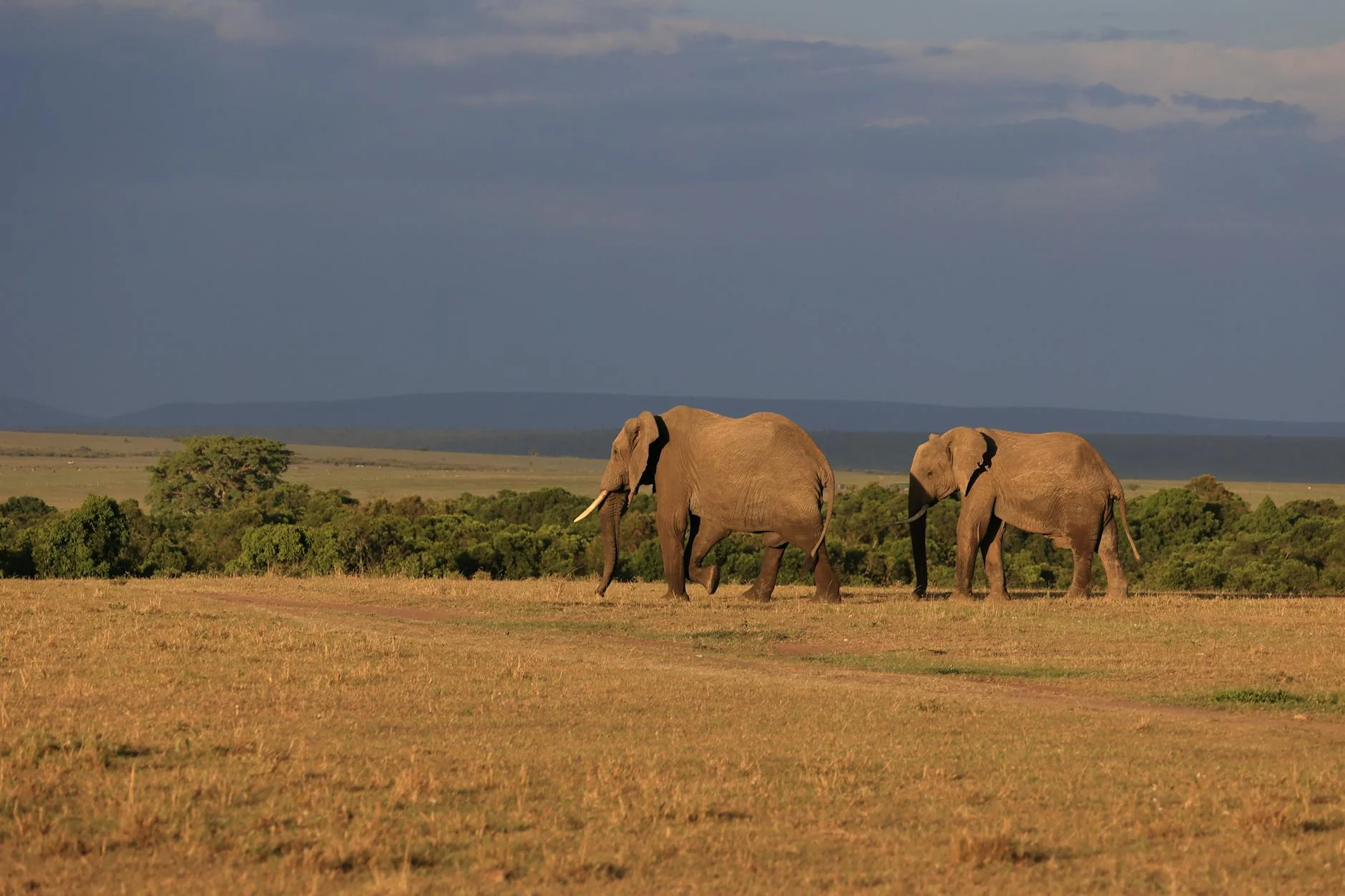
Stunning views of Mount Kilimanjaro and large elephant herds
Best for: Elephants, Mount Kilimanjaro Views, Photography
Tsavo East National Park
One of Kenya's largest parks with diverse wildlife and red elephants
Best for: Vast Landscapes, Elephants, Fewer Crowds
Tsavo West National Park
Mountain springs, lava flows, Mzima Springs, and excellent game viewing
Best for: Rhinos, Unique Features, Diverse Terrain
Lake Nakuru National Park
Rhino sanctuary and birdwatcher's paradise with millions of flamingos
Best for: Rhinos, Flamingos, Bird Watching
Samburu National Reserve
Northern Kenya reserve with unique species and cultural experiences
Best for: Unique Species, Cultural Experiences, Remote Safari
Kenya's Premier Safari Parks in Detail
Masai Mara – Migration & Big Cats
The Masai Mara National Reserve is Kenya's most famous safari destination, renowned for hosting the Great Migration from July to October. During this period, over 1.5 million wildebeest, zebras, and gazelles cross the Mara River, creating one of nature's most dramatic spectacles. The reserve offers exceptional Big Five viewing year-round, with high densities of lions, leopards, and cheetahs. The best months for migration viewing are July and August, when river crossings are most frequent. The reserve is also home to the Maasai people, offering cultural experiences alongside wildlife viewing. Conservancies surrounding the reserve provide exclusive experiences with fewer vehicles, night drives, and walking safaris.
Learn more about Masai Mara →Amboseli – Elephants & Kilimanjaro Views
Amboseli National Park is famous for its large elephant herds and stunning views of Mount Kilimanjaro, Africa's highest peak. The park's open plains and swamps create perfect conditions for elephant viewing, with herds often numbering over 100 individuals. The best time for clear Kilimanjaro views is during the dry seasons (June-October and December-March), particularly in the early morning and late afternoon. Amboseli is also excellent for birdwatching, with over 400 bird species recorded. The park's compact size makes it ideal for shorter stays, and it's easily combined with other southern circuit parks. Photography opportunities are exceptional, with elephants and Kilimanjaro creating iconic African safari images.
Learn more about Amboseli →Tsavo – Big Landscapes & Fewer Crowds
Tsavo National Park, split into East and West, is one of Kenya's largest protected areas, covering over 20,000 square kilometres. Tsavo East features vast open plains, the Galana River, and the famous "red elephants" that dust-bathe in the red soil. Tsavo West offers more varied terrain with Mzima Springs, volcanic features, and rhino sanctuaries. Both parks provide a more remote safari experience with fewer visitors than the Masai Mara, making them ideal for travellers seeking wilderness and solitude. Wildlife includes large elephant herds, lions, leopards, and diverse birdlife. The parks are best visited during the dry seasons when animals congregate around water sources, improving viewing opportunities.
Lake Nakuru / Rift Valley – Rhinos & Lakes
Lake Nakuru National Park, located in the Great Rift Valley, is a birdwatcher's paradise and one of Kenya's most important rhino sanctuaries. The park's alkaline lake attracts millions of flamingos, creating spectacular pink shorelines, though flamingo numbers vary with water levels. Lake Nakuru is home to both black and white rhinos, with excellent viewing opportunities. The park also supports populations of lions, leopards, buffalo, and diverse antelope species. The Rift Valley location provides stunning scenery, and the park's compact size makes it ideal for day visits or shorter stays. Best visited year-round, though bird numbers peak during the wet season when the lake is fuller.
Learn more about Lake Nakuru →Samburu / Laikipia – Unique Species & Culture
Northern Kenya's Samburu National Reserve and the Laikipia Plateau offer unique safari experiences with species not found in southern parks. The "Samburu Special Five" include Grevy's zebra, reticulated giraffe, Beisa oryx, gerenuk, and Somali ostrich. These northern specialists have adapted to the semi-arid environment and provide fascinating viewing opportunities. Samburu also offers cultural experiences with the Samburu people, who share linguistic and cultural ties with the Maasai. The region is less visited than southern parks, providing exclusive experiences and excellent wildlife viewing. The best time to visit is during the dry seasons (June-October and December-March) when animals congregate along the Ewaso Ng'iro River.
Learn more about Samburu →Wildlife You Can Expect in Kenya
Kenya is home to an extraordinary diversity of wildlife, from the iconic Big Five to the millions of animals that participate in the Great Migration. The country's varied ecosystems support different wildlife communities, making multi-park safaris particularly rewarding.
Big Five
Kenya offers excellent Big Five viewing across multiple parks. Lions are common in the Masai Mara, Amboseli, and Tsavo. Elephants form large herds in Amboseli and Tsavo. Rhinos are best seen in Lake Nakuru, Ol Pejeta, and Tsavo West. Leopards are present but more elusive, while buffalo are widespread across all major parks.
Great Migration Species
The Masai Mara hosts the Great Migration from July to October, featuring over 1.5 million wildebeest, 200,000 zebras, and thousands of gazelles. This annual movement creates dramatic river crossings and attracts large predators, making it one of the world's greatest wildlife spectacles.
Big Cats
Kenya is renowned for big cat viewing, with high densities of lions, leopards, and cheetahs in the Masai Mara. The reserve's open plains provide excellent visibility, and conservancies offer exclusive viewing with fewer vehicles. Lions are particularly common, with large prides often seen hunting or resting.
Birds and River Wildlife
Kenya boasts over 1,000 bird species, with Lake Nakuru famous for flamingos and pelicans. River systems support hippos, crocodiles, and diverse waterbirds. The Mara River during migration season is particularly dramatic, with crocodiles preying on migrating animals.
Best Time to Visit Kenya for Safari
Kenya's climate and wildlife patterns create distinct seasons, each offering different experiences. Understanding these seasons helps you choose the best time for your interests, whether you're seeking the Great Migration, optimal photography conditions, family-friendly weather, or better value.
July–October: Migration Peak & Dry Season
This is Kenya's peak safari season, coinciding with the Great Migration in the Masai Mara. July and August see the most dramatic river crossings, while September and October offer excellent wildlife viewing with slightly fewer crowds. Weather is dry and sunny, with clear skies ideal for photography. This is the best time for photographers and wildlife enthusiasts, though prices are highest and accommodation books early.
Best for: Great Migration viewing, photographers, optimal wildlife viewing, clear skies
December–March: Dry Season & Calving
The short dry season offers excellent wildlife viewing with good visibility and pleasant temperatures. December to February sees the calving season in the Masai Mara, with thousands of wildebeest calves born, attracting predators. This period is ideal for families and those wanting to escape the British winter. Wildlife viewing is excellent across all parks, with animals congregating around water sources.
Best for: Families, calving season, good weather, fewer crowds than peak season
April–June: Green Season & Value
The long rains bring lush green landscapes, fewer tourists, and lower prices. While some roads may be challenging and wildlife is more dispersed, this season offers excellent value and beautiful scenery. Birdlife is abundant, and the landscapes are at their most photogenic. Some lodges close during the wettest months (April-May), so check availability.
Best for: Value travellers, photographers (green landscapes), birdwatchers, fewer crowds
November: Short Rains Transition
November marks the transition between dry and wet seasons, with short afternoon rains that rarely disrupt safari activities. Wildlife viewing remains good, and the landscape begins to green. This is a good compromise period, offering decent wildlife viewing with fewer crowds and moderate prices. Some areas may experience brief heavy showers, but mornings are typically clear.
Best for: Balanced experience, moderate prices, good wildlife viewing
Practical Travel Tips for UK Travellers
Planning a Kenya safari from the UK involves several practical considerations. Understanding flight options, time differences, currency, connectivity, and travel logistics helps ensure a smooth and enjoyable experience.
Flight Routing
Direct flights from London Heathrow to Nairobi take approximately 8-9 hours. Kenya Airways and British Airways offer daily direct services. Connecting flights are available from other UK airports via major hubs like Dubai, Doha, or Amsterdam. Most safari itineraries include domestic flights from Nairobi to airstrips near national parks, typically taking 1-2 hours.
Time Difference
Kenya is GMT+3 year-round, meaning it's 3 hours ahead of UK time during GMT and 2 hours ahead during British Summer Time (BST). This time difference is relatively easy to adjust to, and most safari activities start early in the morning, aligning with natural wake times.
Money & Currency
The Kenyan Shilling (KES) is the local currency, though US Dollars are widely accepted at lodges, camps, and for tips. Credit cards are accepted at most lodges, but cash is useful for tips and local purchases. ATMs are available in Nairobi and major towns, but less common in remote areas. Tipping guides and staff is customary.
SIM Cards & Data
Local SIM cards are available at Nairobi airport and in towns, with Safaricom offering the best coverage. Data packages are affordable and provide good coverage in most safari areas, though some remote locations have limited signal. Most lodges offer Wi-Fi, though speeds vary. Check with your UK mobile provider about roaming packages.
Safari Driving Times vs Flying
Kenya offers both road and air transfers between parks. Road transfers can take 4-6 hours between major parks (e.g., Nairobi to Masai Mara), while flights take 1-2 hours. Flying saves time and provides scenic views, but road transfers offer more opportunities to see the countryside and are more cost-effective. Many itineraries combine both methods.
What to Pack
Pack neutral-coloured clothing (khaki, beige, olive), layers for early morning game drives, sun protection (hat, sunscreen, sunglasses), binoculars, camera equipment, and comfortable walking shoes. Evenings can be cool, so bring a fleece or light jacket. Most lodges provide laundry services, so you don't need to overpack.
View our complete safari packing list →Safety, Health, and Entry Requirements
Kenya is generally safe for tourists, with well-established safari tourism infrastructure. However, it's important to understand entry requirements, health precautions, and safety considerations before travelling.
Visa & Entry Requirements
UK passport holders require a visa to enter Kenya. The most convenient option is the e-visa, obtainable online before travel through the official Kenya e-visa portal. E-visas are typically processed within 2-3 business days. Visas on arrival are also available, though the e-visa is recommended to avoid airport queues. Ensure your passport is valid for at least six months beyond your intended departure date and has at least two blank pages.
Learn more about visa requirements →Vaccinations & Health
Yellow Fever vaccination is mandatory for entry into Kenya, and you must carry your Yellow Fever certificate. Consult your GP or a travel health clinic 6-8 weeks before departure for the latest health advice. Recommended vaccinations may include Hepatitis A, Hepatitis B, Typhoid, and routine vaccinations (MMR, DTP). Malaria prophylaxis is strongly recommended for all safari areas, with several anti-malarial medication options available. Consult your healthcare provider to choose the most suitable option.
Read our health and vaccination guide →Malaria Precautions
Malaria is present in Kenya's safari areas, so taking anti-malarial medication is essential. In addition to medication, use insect repellent containing DEET, wear long sleeves and trousers in the evenings, and sleep under mosquito nets (provided at most lodges). The risk is generally lower during the dry season, but precautions should be taken year-round.
Travel Insurance
Comprehensive travel insurance is essential for any Kenya safari. Ensure your policy covers medical expenses, emergency evacuation (important for remote safari areas), trip cancellation, and loss of belongings. Check that your policy covers adventure activities and verify coverage limits, particularly for medical evacuation, which can be expensive from remote locations.
Read our travel insurance guide →Safari Safety
Safari activities are generally very safe when following your guide's instructions. Always stay in your vehicle during game drives unless your guide explicitly permits you to exit. Listen carefully to safety briefings, particularly regarding wildlife encounters. Lodges and camps have security measures in place, and guides are highly trained in wildlife behaviour and safety protocols.
Culture & Local Experiences
Kenya's rich cultural heritage adds depth to any safari experience. Understanding the relationship between local communities and wildlife conservation enhances appreciation for the landscapes and animals you'll encounter.
Maasai Culture
The Maasai people are synonymous with Kenya's safari regions, particularly around the Masai Mara. Many conservancies are community-owned, providing direct benefits to Maasai communities while protecting wildlife habitat. Cultural visits to Maasai villages offer opportunities to learn about traditional lifestyles, though it's important to choose responsible, community-run experiences. These visits should be respectful and educational, supporting community initiatives rather than exploitative tourism.
Community Conservancies
Community conservancies are areas of land owned and managed by local communities, often in partnership with tourism operators. These conservancies provide critical wildlife corridors and habitat, while generating income for communities through tourism. Staying in conservancies supports community conservation and offers exclusive safari experiences with fewer vehicles, night drives, and walking safaris not permitted in national parks.
Markets, Food & Cities
Nairobi, Kenya's capital, offers markets, restaurants, and cultural attractions. The city is often a starting or ending point for safaris, with opportunities to visit markets, sample local cuisine, or explore attractions like the Giraffe Centre or Karen Blixen Museum. Local markets in towns near parks offer handicrafts and souvenirs, supporting local artisans.
Beach Extensions
Kenya's Indian Ocean coast offers beautiful beaches and a different side of the country. Popular beach destinations like Diani Beach or Watamu can be combined with safari itineraries, though this is typically arranged as part of a longer holiday. The coast offers water sports, marine life, and relaxation, providing a contrast to the safari experience.
Where to Stay: Kenya Safari Accommodation Styles
Kenya offers diverse accommodation styles, from luxury lodges to authentic tented camps. Understanding the different options helps you choose accommodation that matches your preferences, budget, and desired safari experience.
Safari Lodges
Safari lodges are permanent structures, typically built with stone, wood, or thatch, offering comfortable accommodation with en-suite facilities. Lodges range from mid-range to ultra-luxury, with amenities like swimming pools, restaurants, bars, and sometimes spas. They provide a comfortable base for safari activities, with reliable electricity, hot water, and Wi-Fi. Lodges are ideal for travellers seeking comfort and convenience, and are often family-friendly with family rooms or suites.
Tented Camps
Tented camps offer an authentic safari experience while maintaining comfort. Tents are typically spacious with proper beds, en-suite bathrooms (often with flush toilets and hot showers), and furniture. Luxury tented camps provide the romance of camping with the amenities of a lodge. The sounds of the bush at night and the feeling of being closer to nature make tented camps popular with safari enthusiasts. They range from classic canvas tents to more permanent structures with canvas walls.
Conservancy Camps
Camps located in community conservancies often offer exclusive experiences not available in national parks. These may include night drives, walking safaris, off-road driving, and fewer vehicles at sightings. Conservancy camps support community conservation initiatives and provide direct benefits to local communities. They often combine the best of both lodges and tented camps, with comfortable accommodation and exclusive wildlife experiences.
What "Luxury" Means in Safari Context
Luxury in a safari context doesn't necessarily mean opulent decor, but rather exceptional service, prime locations, exclusive experiences, and attention to detail. Luxury camps and lodges typically offer smaller guest numbers, highly trained guides, excellent food, and unique experiences like private game drives or bush dining. The focus is on providing an authentic, comfortable, and memorable safari experience rather than five-star hotel amenities.
Family-Friendly Accommodation
Many lodges and camps offer family-friendly accommodation with family rooms, suites, or interconnected tents. Some properties have age restrictions for children on certain activities, while others are specifically designed for families with children's programs, family game drives, and flexible meal times. When travelling with children, consider properties that welcome families and offer appropriate activities and safety measures.
Frequently Asked Questions
What makes Kenya a great safari destination?
When is the best time to visit Kenya?
What wildlife can I see in Kenya?
How do I get to Kenya from the UK?
How many days do I need for a Kenya safari?
Is Kenya safe for tourists?
Ready to Plan a Kenya Safari Holiday?
If you're ready to turn this destination knowledge into a real trip, we can help you plan a tailor-made Kenya safari holiday from the UK. Our team creates custom itineraries combining the best parks, luxury accommodation, and expert guides to match your interests, budget, and travel style.
View Kenya Safari Holidays