Tsavo East National Park – Kenya Safari Guide
Tsavo East is one of Kenya's largest national parks, covering over 13,000 square kilometers of diverse landscapes. Famous for its "red elephants" and vast open plains, the park offers a sense of true wilderness with fewer crowds than more popular destinations. This comprehensive guide helps UK travellers understand what makes Tsavo East special and what wildlife experiences await in this expansive Kenyan park.
About Tsavo East National Park
Located in southeastern Kenya, Tsavo East National Park covers 13,747 square kilometers, making it one of Africa's largest national parks. The park is part of the larger Tsavo ecosystem, which includes Tsavo West National Park. Together, they form one of Kenya's most important wildlife areas. Tsavo East is characterized by vast open plains, the Galana River, and distinctive red soil that gives the park's elephants their famous "red" appearance.
The park's size and remote location create a sense of true wilderness, with fewer visitors than more popular parks like the Masai Mara. This makes Tsavo East ideal for travellers seeking a more authentic, less touristy safari experience. The diverse landscapes - from open plains to riverine forests - support a wide variety of wildlife, making each game drive an adventure.
Wildlife at Tsavo East
The Red Elephants
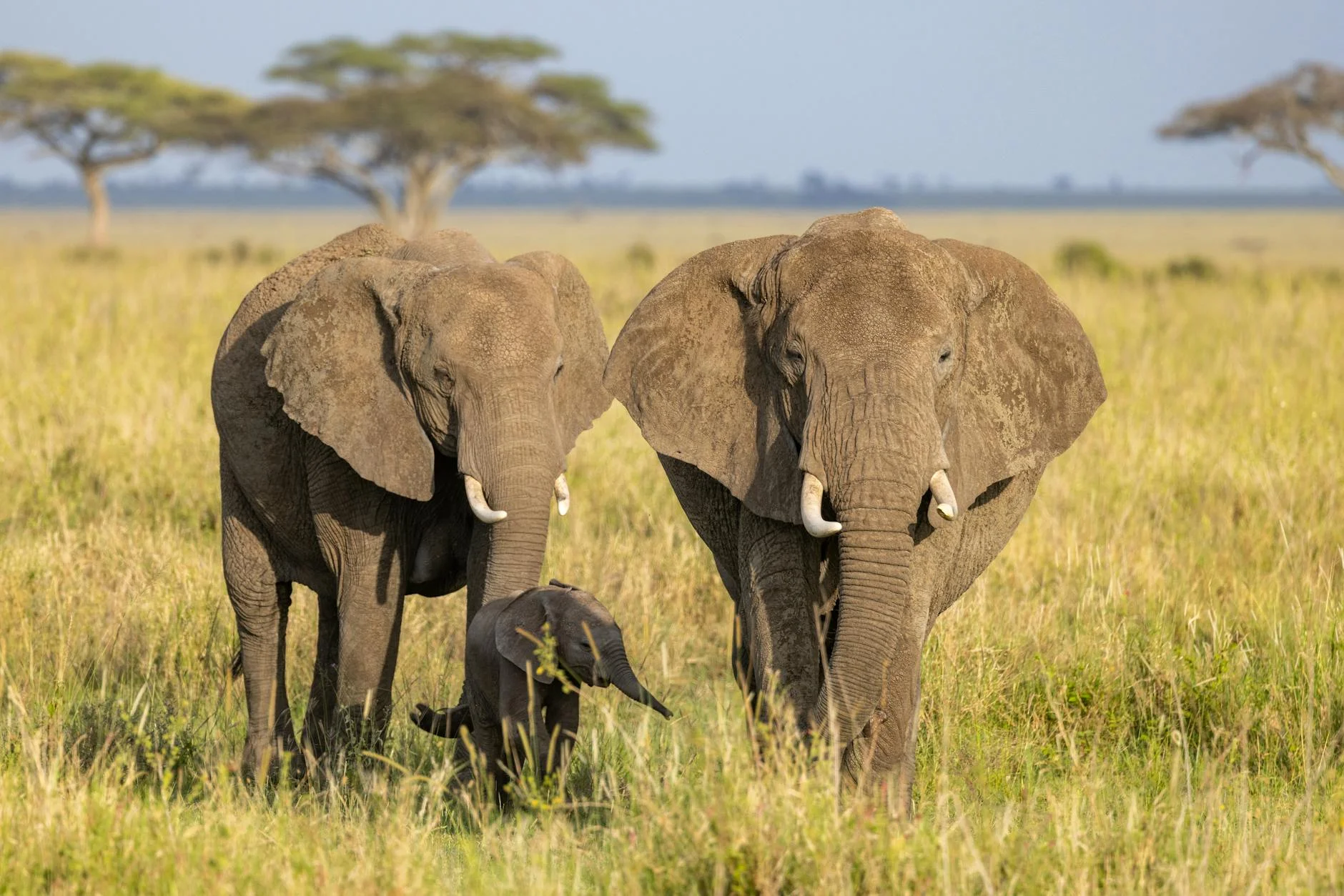
Tsavo East is famous for its "red elephants" - elephants that dust-bathe in the park's distinctive red soil, giving them a reddish appearance. The park supports large elephant herds, and these red elephants have become an iconic symbol of Tsavo. Elephants are commonly seen throughout the park, particularly along the Galana River and around water sources.
Big Cats and Predators
Tsavo East supports healthy populations of lions, leopards, and cheetahs. The park's vast size means big cats have large territories, but sightings are common, particularly around water sources. Lions are often seen in prides, while leopards are more solitary and elusive. Hyenas are also common and play an important role in the ecosystem.
Beyond elephants and big cats, Tsavo East supports buffalo, giraffes, zebras, wildebeest, and various antelope species including impala, waterbuck, and lesser kudu. Over 500 bird species have been recorded, making it excellent for bird watching. The Galana River supports hippos and crocodiles, while the surrounding areas provide habitat for diverse mammal populations. While the Big Five are present (elephant, buffalo, lion, leopard, and rhino - though rhinos are very rare), the park is known for its large elephant populations and diverse antelope species.
Landscape Features
Tsavo East's landscape is dominated by vast open plains covered in red soil, creating a distinctive and dramatic setting. The Galana River flows through the park, providing a lifeline for wildlife and creating riverine forests along its banks. The park also features the Yatta Plateau, one of the world's longest lava flows, and the Lugard Falls, where the Galana River cascades over rocks.
The diverse landscapes - from open plains to riverine forests to rocky outcrops - support different wildlife communities and provide varied safari experiences. The park's size means you can explore different areas, each with its own character and wildlife. The vastness of the park creates a sense of wilderness that is increasingly rare in modern safari destinations.
Best Time to Visit Tsavo East
June - October (Dry Season)
This is the best time for wildlife viewing, as animals gather around water sources and the dry conditions make wildlife easier to spot. The red soil is particularly visible, and the park's elephants are at their most distinctive. Weather is warm and dry, perfect for game drives. This period offers the best overall wildlife viewing experience.
December - March (Short Dry Season)
Another excellent time to visit, with good wildlife viewing and comfortable temperatures. Animals remain active throughout the day, and the park offers fewer crowds than peak season. This period is ideal for UK travellers escaping the British winter, with warm and mostly dry conditions.
April - May & November (Wet Seasons)
The wet seasons bring lush green landscapes and fewer visitors, but can make wildlife viewing more challenging as animals disperse across the vast park. The scenery is beautiful, and bird watching is excellent, but game viewing requires more effort. This period offers excellent value for budget-conscious travellers willing to accept occasional rain and more challenging conditions.
Activities and Experiences
Game Drives
Morning and afternoon game drives offer opportunities to explore the vast park and see diverse wildlife. The park's size means game drives can cover significant distances, exploring different areas and habitats. Experienced guides know the best areas for different species and can maximize your wildlife viewing opportunities. The vastness of the park creates a sense of adventure and discovery.
River Wildlife Viewing
The Galana River provides excellent wildlife viewing opportunities, with elephants, hippos, crocodiles, and various bird species commonly seen along its banks. River-based activities and stops along the river provide unique perspectives on the park's ecosystem and wildlife. The riverine forests support different wildlife communities than the open plains, adding diversity to your safari experience.
Landscape Exploration
The park's vast landscapes - from open plains to the Yatta Plateau to Lugard Falls - provide opportunities for exploration and appreciation of Kenya's diverse geography. The sense of wilderness and space is a key part of the Tsavo East experience, offering a different perspective from more compact parks.
Accommodation Overview
Tsavo East offers a range of accommodation options, from comfortable lodges to tented camps, many located along the Galana River or in strategic locations throughout the park. Properties range from mid-range to luxury, suitable for various budgets and preferences. The park's size means accommodation is spread out, providing a sense of exclusivity and wilderness.
Many visitors combine Tsavo East with Tsavo West or other Kenya destinations, creating a comprehensive safari itinerary. The park's location makes it accessible from both Nairobi and the coast, offering flexibility in itinerary planning. Accommodation often focuses on sustainability and supporting local conservation efforts.
Ready to Visit Tsavo East?
Discover our Kenya safari holidays that include Tsavo East, combining vast landscapes, red elephants, and other incredible wildlife experiences.
View Kenya Safari Holidays