Masai Mara National Reserve – Kenya Safari Guide
The Masai Mara is Kenya's most iconic safari destination, famous for the Great Migration and exceptional Big Five viewing. This comprehensive guide helps UK travellers understand what makes the Masai Mara special, when to visit, and what experiences await in this world-renowned wildlife reserve.
About Masai Mara National Reserve
The Masai Mara National Reserve covers 1,510 square kilometers in southwestern Kenya, forming the northern extension of Tanzania's Serengeti ecosystem. The reserve is named after the Maasai people, who have lived in the area for centuries, and the Mara River, which flows through the reserve. The landscape consists of rolling grasslands, acacia woodlands, and riverine forests, creating diverse habitats that support an incredible array of wildlife.
The reserve is part of a larger ecosystem that includes surrounding conservancies - community-owned lands managed for wildlife conservation. Together, the reserve and conservancies form one of Africa's most important wildlife areas, supporting the Great Migration and providing habitat for the Big Five and numerous other species.
Wildlife in the Masai Mara
The Big Five
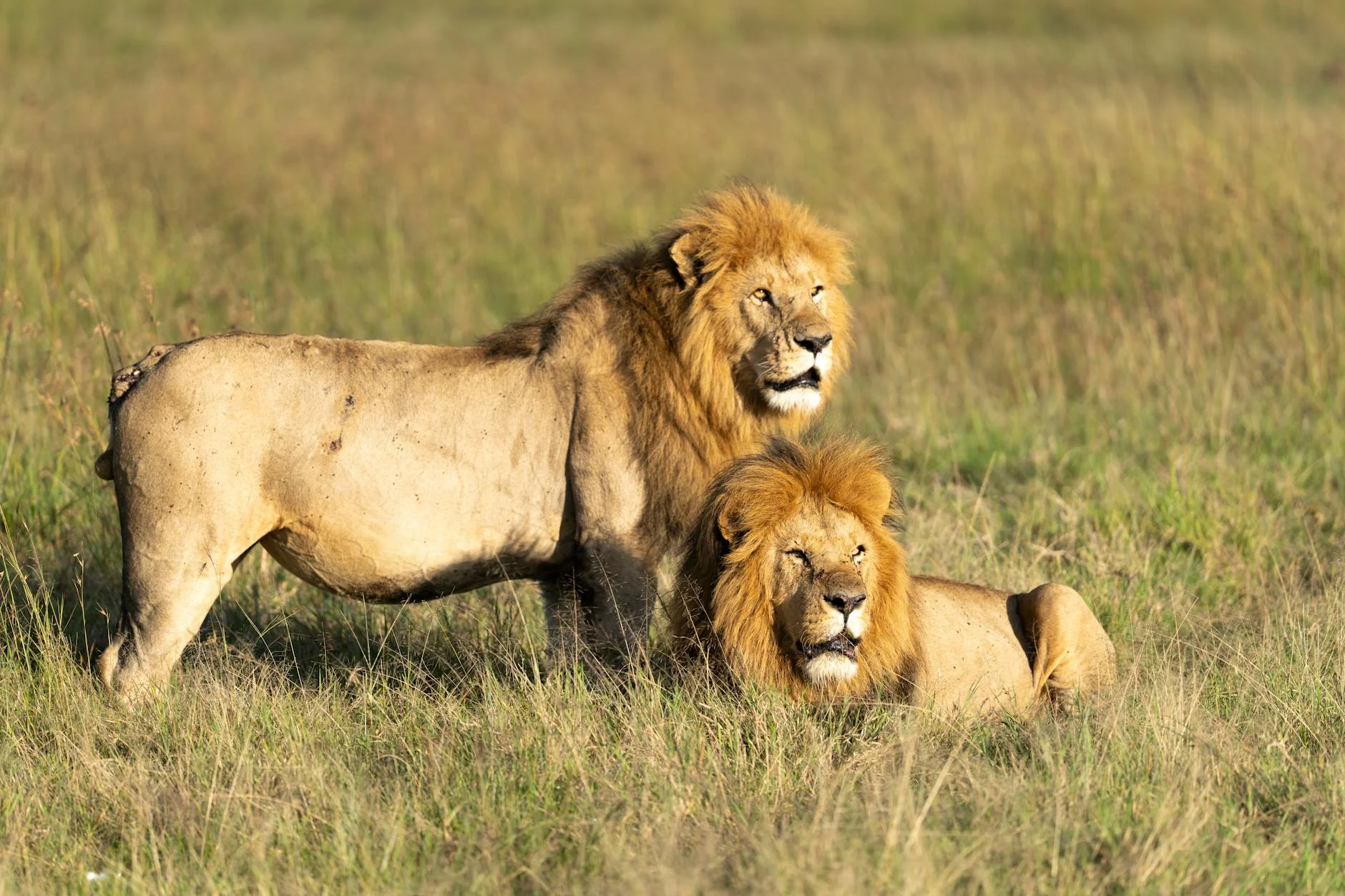
The Masai Mara is home to all members of the Big Five: lions, elephants, rhinos, leopards, and buffalo. The reserve has one of Africa's highest densities of big cats, making it exceptional for lion, leopard, and cheetah viewing. Elephants are common throughout, while rhinos are present but more elusive, requiring patience and luck to spot.
The Great Migration
From July to October, the Masai Mara hosts the Great Migration, when over 1.5 million wildebeest, 200,000 zebras, and thousands of gazelles cross the Mara River. The river crossings are dramatic events, with crocodiles waiting and animals navigating steep banks. This is one of nature's greatest spectacles and a highlight for many visitors.
Beyond the Big Five and migration, the Masai Mara supports cheetahs, hyenas, giraffes, hippos, crocodiles, and over 450 bird species. The reserve's diverse ecosystems support everything from large predators to small mammals, creating a complete safari experience. Wildlife viewing is excellent year-round, with different seasons offering different highlights.
Best Time to Visit Masai Mara
July - October (Peak Season)
This is the dry season and peak time for the Great Migration. July and August see the dramatic river crossings, while September and October offer excellent wildlife viewing as animals remain in the area. Weather is warm and dry, making it ideal for game drives. This is the most popular time to visit, so advance booking is essential.
December - March (Calving Season)
The short dry season offers excellent game viewing with fewer crowds than peak season. December to February sees the calving season in the southern Serengeti (accessible from Kenya), with predators taking advantage of vulnerable young. Weather is warm and mostly dry, making it ideal for UK travellers escaping the British winter.
April - June (Green Season)
The long rains bring lush green landscapes and lower visitor numbers. Wildlife is still visible, and the scenery is stunning, but some lodges may close and road conditions can be challenging. This period offers excellent value for budget-conscious travellers willing to accept occasional rain showers.
Reserve vs Conservancies
The Masai Mara National Reserve is the main protected area, managed by the Narok County Council. Surrounding the reserve are private conservancies - community-owned lands managed in partnership with tourism operators for wildlife conservation. Both areas offer excellent wildlife viewing, but there are important differences.
National Reserve
- More accessible and well-established
- More vehicles and visitors during peak season
- Standard game drive times (dawn to dusk)
- No off-road driving or night drives
- Wide range of accommodation options
Conservancies
- More exclusive with fewer vehicles
- Night drives and walking safaris allowed
- Off-road driving permitted
- Often more expensive but more intimate
- Strong community conservation focus
Activities and Experiences
Game Drives
Morning and afternoon game drives are the primary activity in the Masai Mara, offering opportunities to see the Big Five, Great Migration, and diverse wildlife. Game drives typically last 3-4 hours, with early morning and late afternoon being the best times for wildlife activity. Experienced guides know the best areas for different species and can maximize your wildlife viewing opportunities.
Hot Air Balloon Safaris
Floating over the Masai Mara plains in a hot air balloon provides a unique perspective on the landscape and wildlife. Balloon safaris typically take off at dawn, offering spectacular views of the sunrise and wildlife below. The experience usually includes a champagne breakfast in the bush after landing. This is particularly spectacular during the Great Migration when you can see vast herds from above.
Cultural Visits
Many lodges and camps offer opportunities to visit local Maasai communities, learn about traditional ways of life, and support community-based conservation efforts. These cultural experiences add depth to the safari and provide insights into the relationship between the Maasai people and wildlife. Visits are typically respectful and educational, focusing on understanding rather than exploitation.
Conservancy Activities
If staying in a conservancy, you may have access to night drives, walking safaris, and off-road driving. These activities provide different perspectives on the ecosystem and wildlife, with night drives offering opportunities to see nocturnal species and walking safaris providing intimate encounters with nature.
Accommodation Overview
The Masai Mara offers a wide range of accommodation styles, from luxury tented camps to comfortable lodges. Tented camps provide an authentic safari experience with canvas walls and often more intimate settings, while lodges offer solid structures and more amenities. Many properties are located along rivers or with views over the plains, maximizing wildlife viewing opportunities.
Conservancy lodges often provide more exclusive experiences with fewer guests and access to private areas, while reserve lodges offer excellent access to the main wildlife areas. Accommodation styles range from mid-range to ultra-luxury, suitable for various budgets and preferences. Many properties focus on sustainability and community involvement, supporting local conservation efforts.
Ready to Visit the Masai Mara?
Discover our Kenya safari holidays that include the Masai Mara, combining Great Migration viewing, Big Five encounters, and other incredible wildlife experiences.
View Kenya Safari Holidays