Samburu National Reserve – Kenya Safari Guide
Samburu National Reserve offers a unique safari experience in northern Kenya, showcasing species found nowhere else in the country. Home to the "Samburu Special Five" - Grevy's zebra, reticulated giraffe, Beisa oryx, gerenuk, and Somali ostrich - this remote reserve provides an exclusive wildlife viewing experience combined with opportunities for cultural interactions with local Samburu communities. Perfect for UK travellers seeking something different from traditional southern Kenya safaris.
About Samburu National Reserve
Located in northern Kenya, approximately 350km from Nairobi, Samburu National Reserve covers 165 square kilometers of semi-arid landscape along the Ewaso Ng\'iro River. The reserve is part of a larger ecosystem that includes the adjacent Buffalo Springs and Shaba National Reserves, together forming one of Kenya's most important wildlife areas. Samburu's location in the northern frontier district gives it a distinct character, with acacia-dotted plains, riverine forests, and dramatic landscapes.
The reserve is named after the Samburu people, semi-nomadic pastoralists who have lived in harmony with the wildlife for centuries. This cultural connection adds depth to the safari experience, with opportunities to learn about traditional ways of life and community-based conservation efforts. The reserve offers a more remote and exclusive experience compared to southern parks, with fewer visitors and a greater sense of wilderness.
The Samburu Special Five
Grevy's Zebra
The world's largest and most endangered zebra species, distinguished by narrow stripes and white bellies. Samburu is one of the best places in Kenya to see these magnificent animals.
Reticulated Giraffe
Distinctive giraffe subspecies with a net-like pattern of white lines. Found only in northern Kenya, Ethiopia, and Somalia, making Samburu a prime viewing location.
Beisa Oryx
Elegant antelope with long, straight horns and distinctive markings. Well-adapted to the semi-arid conditions of northern Kenya.
Gerenuk
Unique long-necked antelope that stands on its hind legs to browse from trees. This distinctive feeding behavior makes them fascinating to observe.
Somali Ostrich
Distinctive ostrich subspecies with blue-grey legs and neck, found only in northern Kenya and neighboring regions.
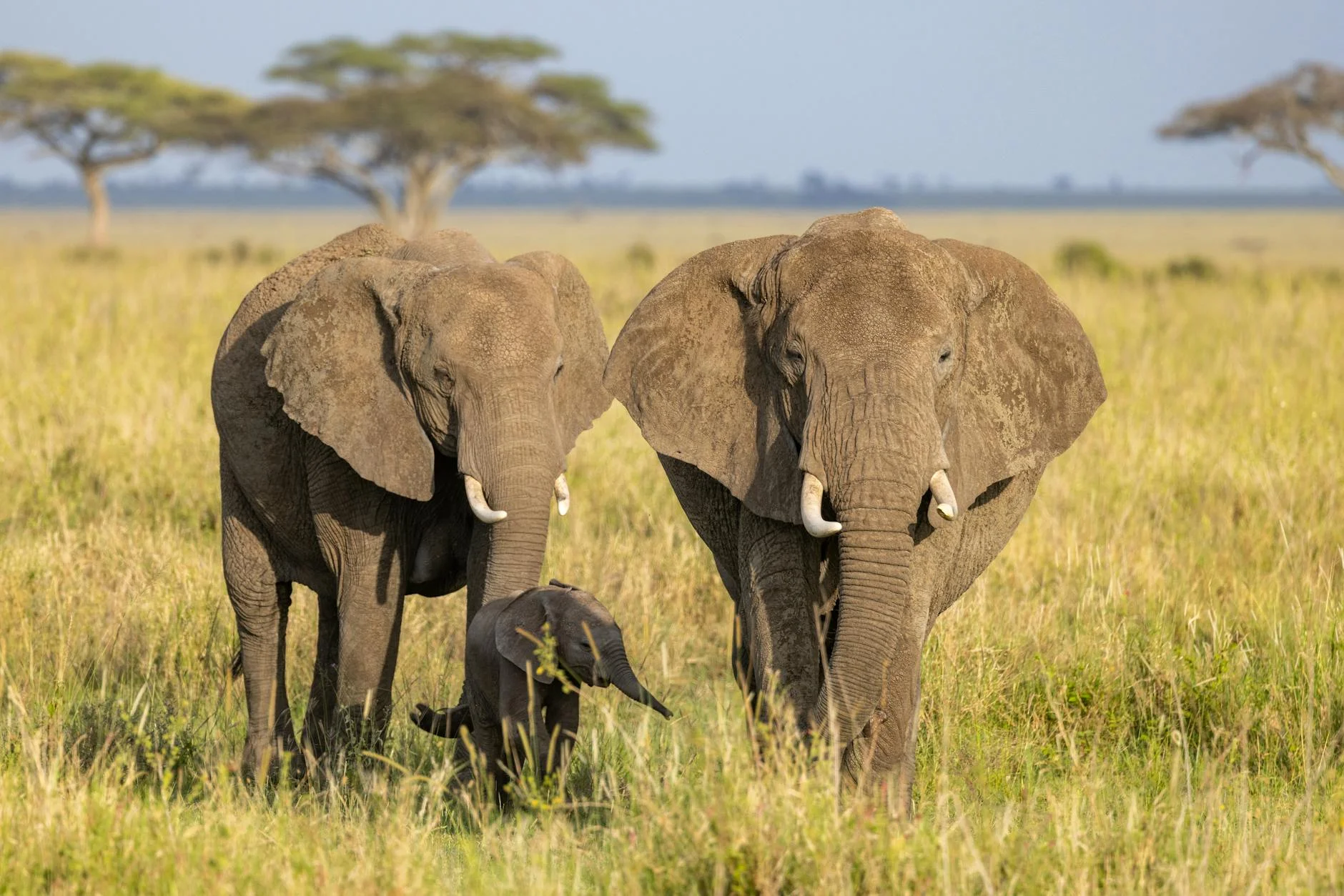
Beyond the Special Five, Samburu supports healthy populations of elephants, lions, leopards, cheetahs, and over 350 bird species. The Ewaso Ng\'iro River provides a lifeline for wildlife, attracting large herds of elephants and supporting diverse riverine ecosystems. Big cat viewing is excellent, with lions and leopards frequently seen along the river.
Best Time to Visit Samburu
The best times to visit Samburu are during the dry seasons: June to October and December to March. These periods offer optimal wildlife viewing as animals concentrate around the Ewaso Ng\'iro River and remaining water sources. The dry conditions make wildlife easier to spot, and the clear skies provide excellent photography opportunities. Temperatures are warm but comfortable, and the landscape takes on a golden hue.
The wet seasons (April-May and November) bring lush green landscapes and fewer visitors, but can make wildlife viewing more challenging as animals disperse across the reserve. However, the green season offers beautiful scenery and excellent bird watching, with many migratory species present. Samburu can be visited year-round, with each season offering different experiences.
Activities and Experiences
Game Drives
Morning and afternoon game drives offer opportunities to see the Samburu Special Five, big cats, elephants, and diverse birdlife. The Ewaso Ng\'iro River is a focal point for wildlife viewing, with many animals gathering along its banks. Game drives can also explore the acacia-dotted plains and rocky outcrops.
Cultural Visits
Many lodges and camps offer opportunities to visit local Samburu communities, learn about traditional ways of life, and support community-based conservation efforts. These cultural experiences add depth to the safari and provide insights into the relationship between people and wildlife in northern Kenya.
River Wildlife Viewing
The Ewaso Ng\'iro River supports diverse wildlife, with elephants, crocodiles, and various bird species frequently seen along its banks. River-based activities and walks along the river provide unique perspectives on the reserve's ecosystem.
Accommodation Styles
Samburu offers a range of accommodation options, from luxury tented camps to comfortable lodges, many located along the Ewaso Ng\'iro River. Conservancy lodges provide exclusive experiences with access to private conservancy areas, while reserve lodges offer excellent access to the main reserve. Accommodation styles range from mid-range to ultra-luxury, with many properties offering cultural experiences and community visits.
Many visitors combine Samburu with other northern Kenya destinations like Laikipia or include it as part of a longer Kenya safari itinerary. The reserve's remote location and unique wildlife make it an excellent addition to any Kenya safari, particularly for travellers seeking something beyond the traditional southern circuit.
Ready to Visit Samburu?
Discover our Kenya safari holidays that include Samburu, combining unique northern species viewing with cultural experiences and other incredible wildlife encounters.
View Kenya Safari Holidays