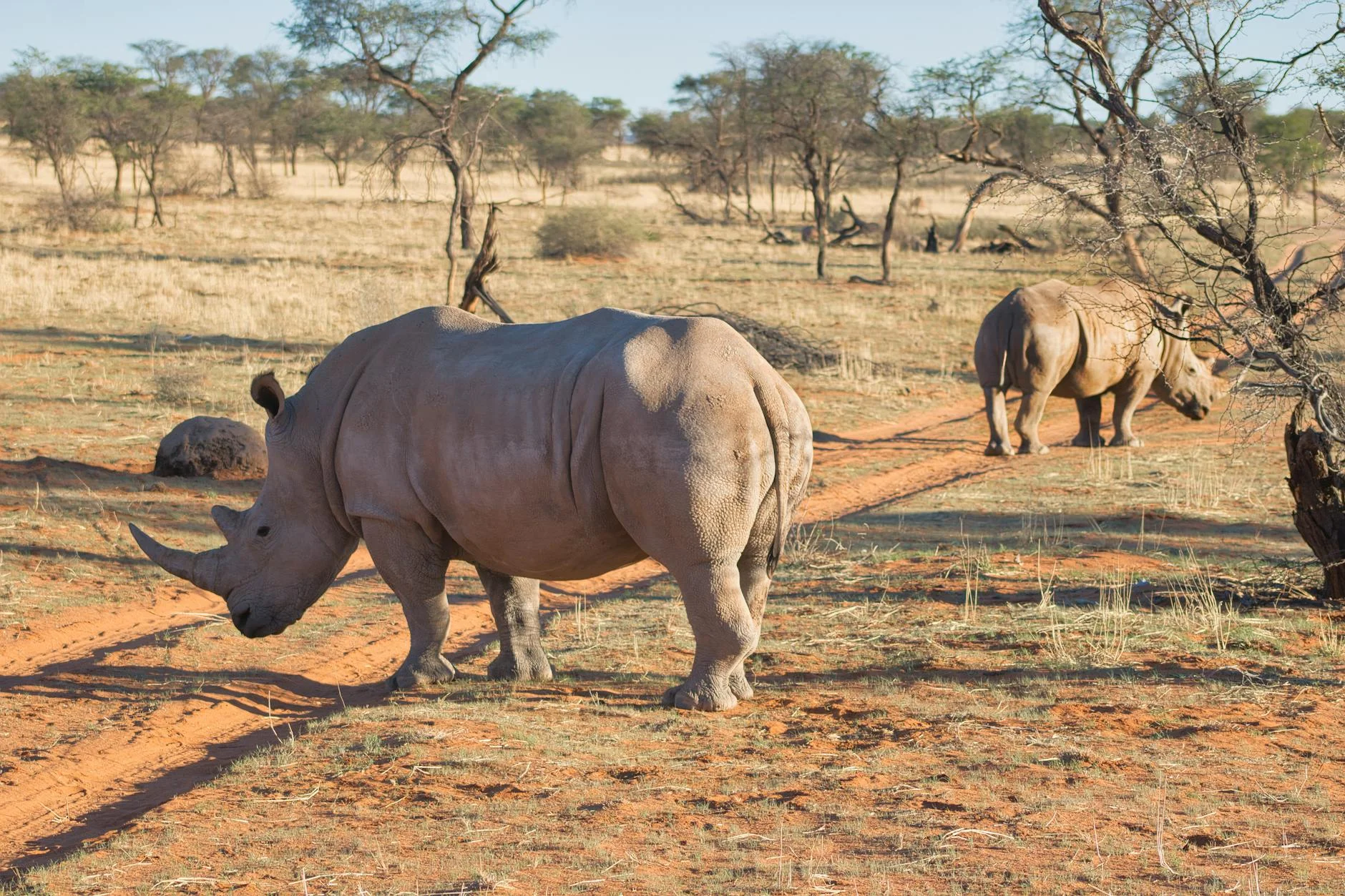
Rhinos on Safari – Where to See Rhinos in Africa
Rhinos are among the most endangered and sought-after animals to see on safari. Africa is home to two rhino species: the white rhino (Ceratotherium simum) and the black rhino (Diceros bicornis). Both are critically endangered due to poaching for their horns, making sightings on safari particularly special and meaningful.
Seeing a rhino in the wild is a rare privilege, as their populations have declined dramatically. Understanding the differences between black and white rhinos, the best places to see rhinos, and the conservation challenges they face can help UK travellers appreciate these magnificent animals and support their protection through responsible safari tourism.
About Rhinos on Safari – Black Rhino vs White Rhino
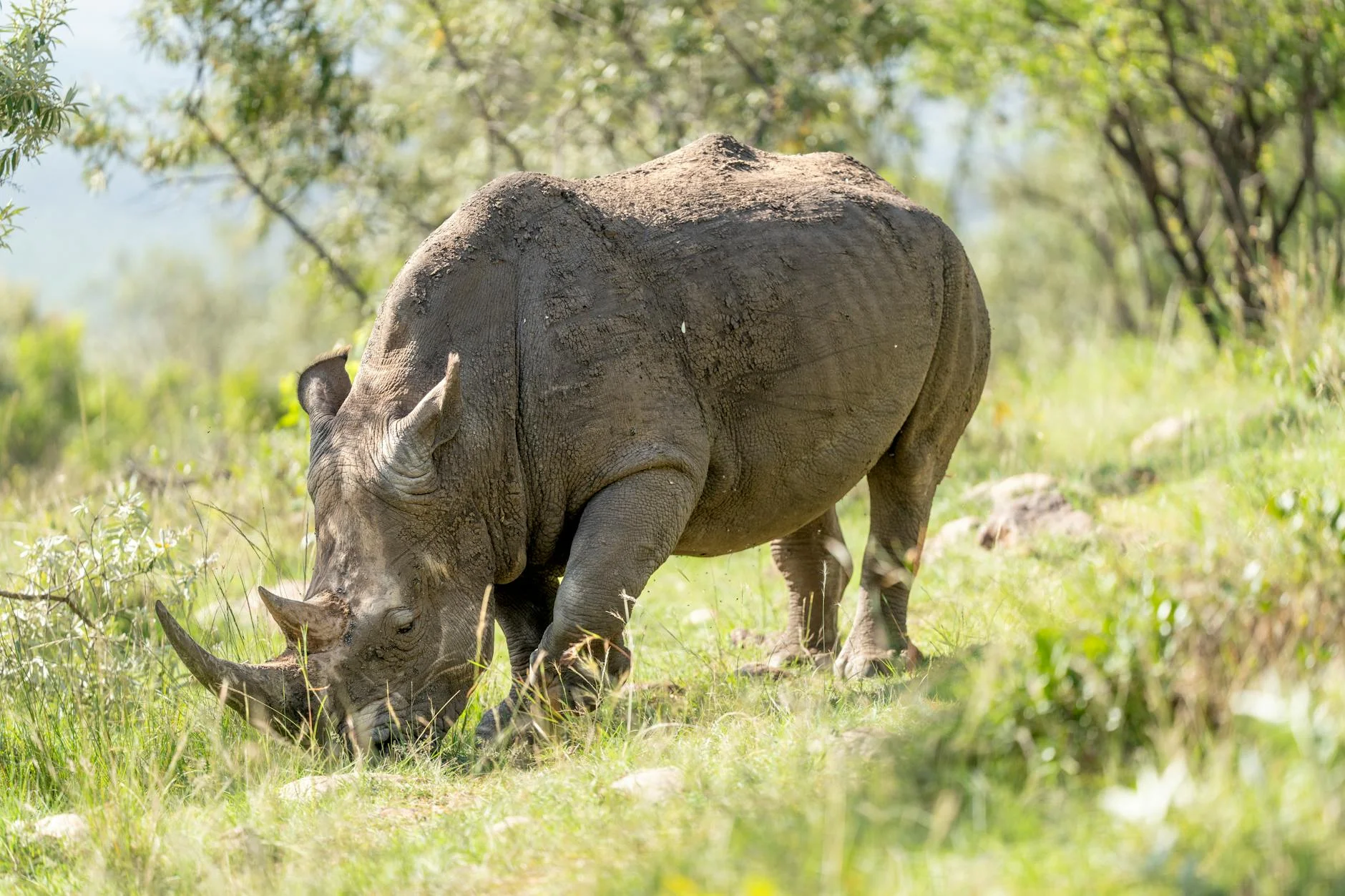
White Rhino
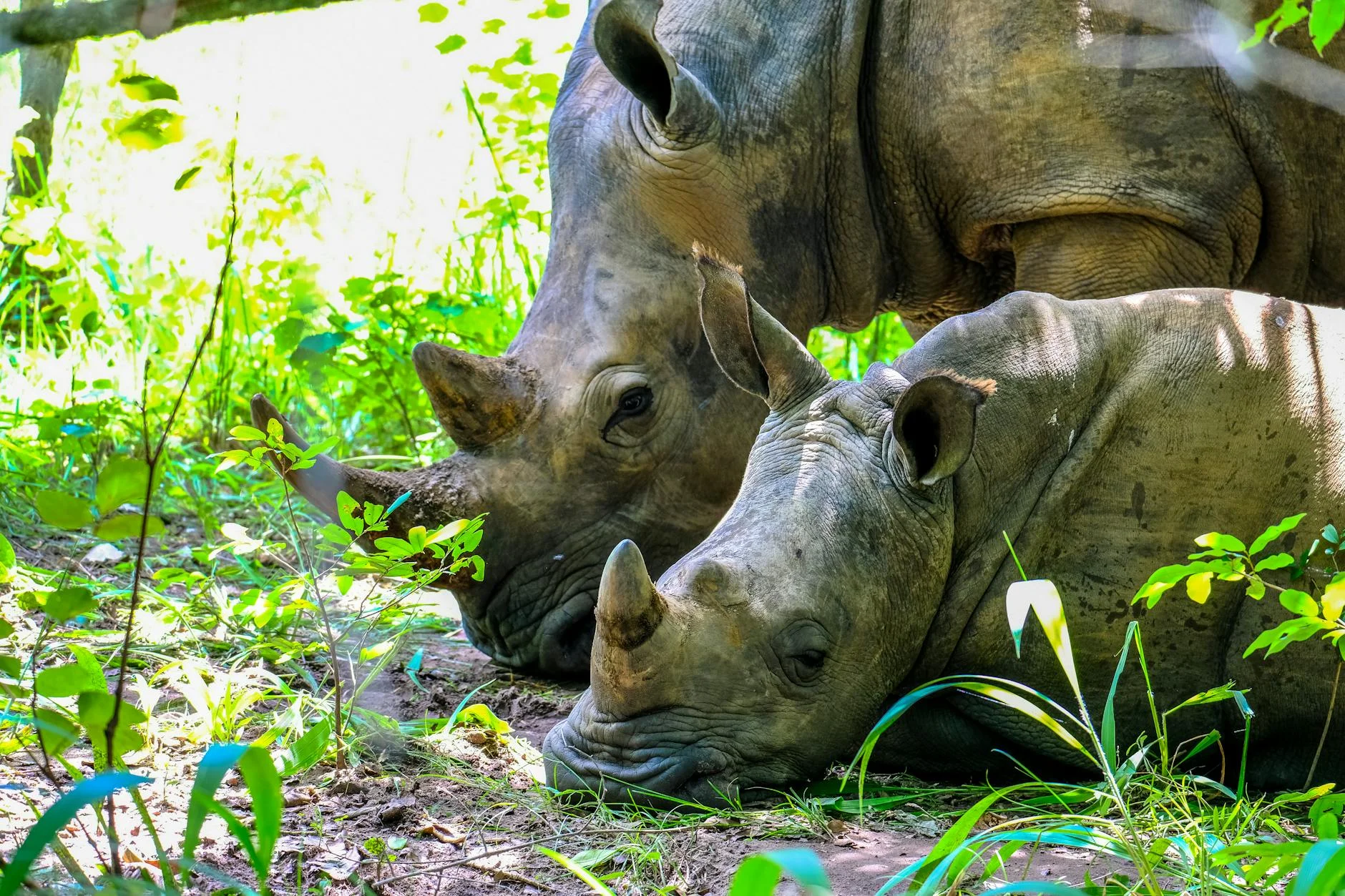
White rhinos are the larger of the two species, weighing 1,800-2,500kg (4,000-5,500lbs). Despite the name, they are grey. The "white" comes from the Afrikaans word "weit" meaning wide, referring to their wide, square upper lip used for grazing grass. White rhinos are more social, often seen in small groups, and are easier to spot on safari as they are more common and less shy than black rhinos.
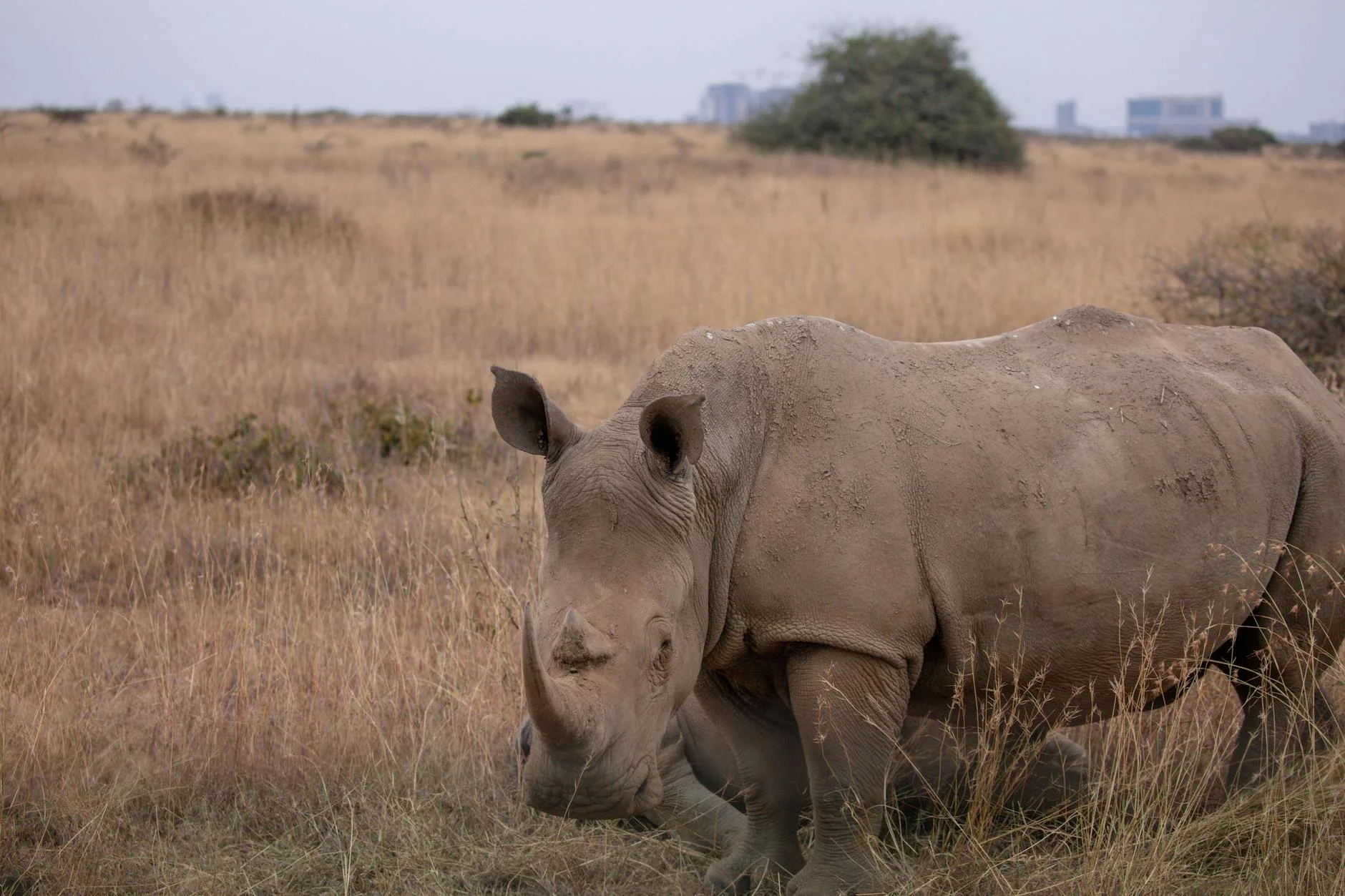
Black Rhino
Black rhinos are smaller, weighing 800-1,400kg (1,800-3,100lbs), and are also grey in colour. They have a pointed, prehensile upper lip used for browsing leaves, twigs, and fruits from trees and bushes. Black rhinos are more solitary, aggressive, and elusive than white rhinos, making them harder to see on safari. They are also rarer, with only about 5,000-6,000 remaining in Africa.
Both rhino species have two horns made of keratin (the same material as human fingernails). The front horn is typically longer, and both horns are highly valued in illegal markets, driving poaching. Rhinos have poor eyesight but excellent hearing and sense of smell. They are herbivores and need to drink water daily. On safari, rhinos are often seen near waterholes, especially during the dry season.
Rhino Behaviour on Safari – Understanding These Endangered Giants
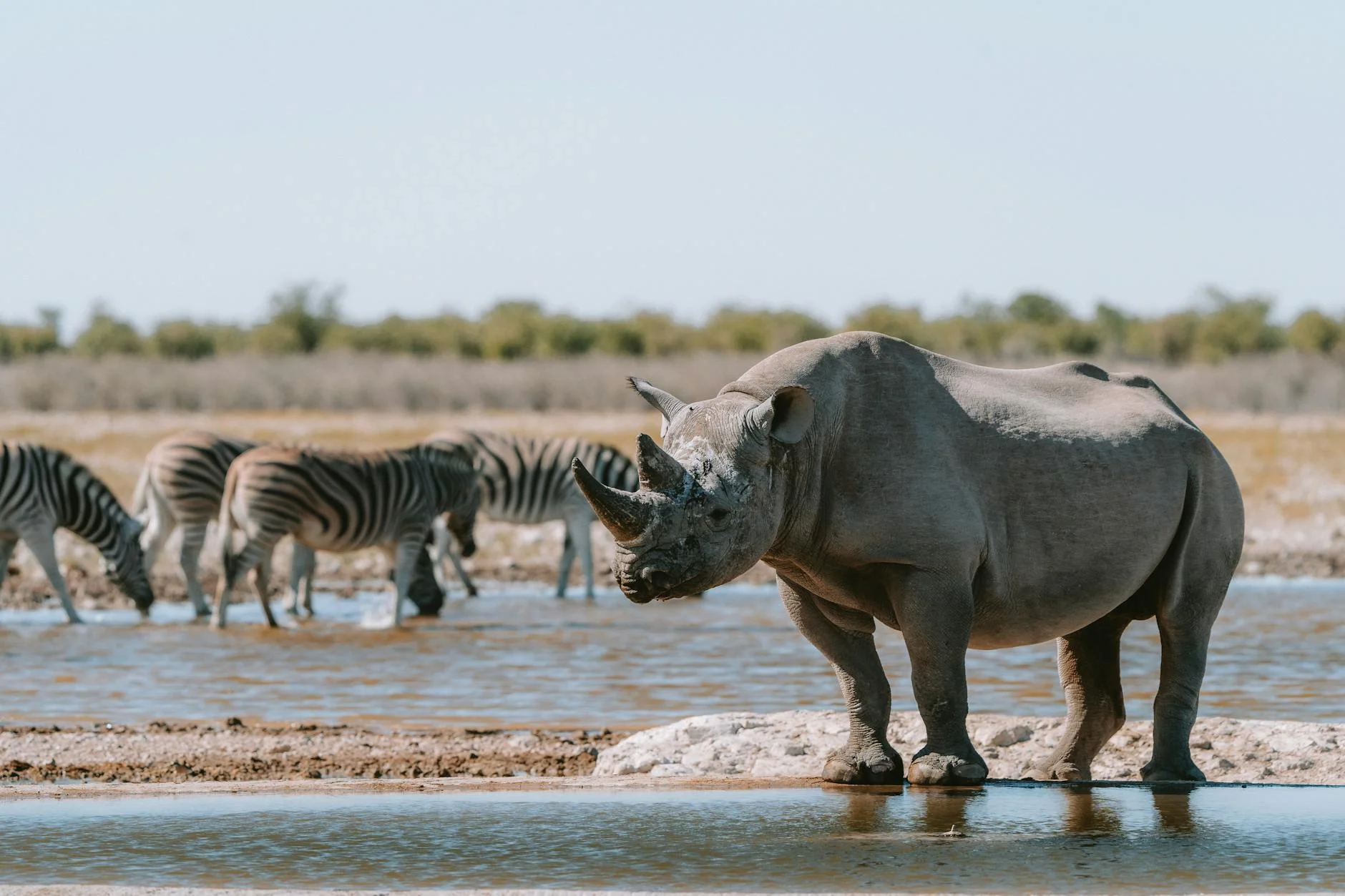
Rhinos are generally solitary animals, though white rhinos may form small groups, especially females with calves. They are territorial and mark their territories with dung middens and urine. Rhinos have poor eyesight but compensate with excellent hearing and an acute sense of smell. They are most active during early morning and late afternoon, resting in the shade during the heat of the day.
Feeding Behaviour
White rhinos are grazers, feeding on grass using their wide, square lips. They spend much of their day grazing. Black rhinos are browsers, using their pointed, prehensile lips to grasp and strip leaves, twigs, and fruits from trees and bushes. Both species are herbivores and need to drink water daily.
Social Structure
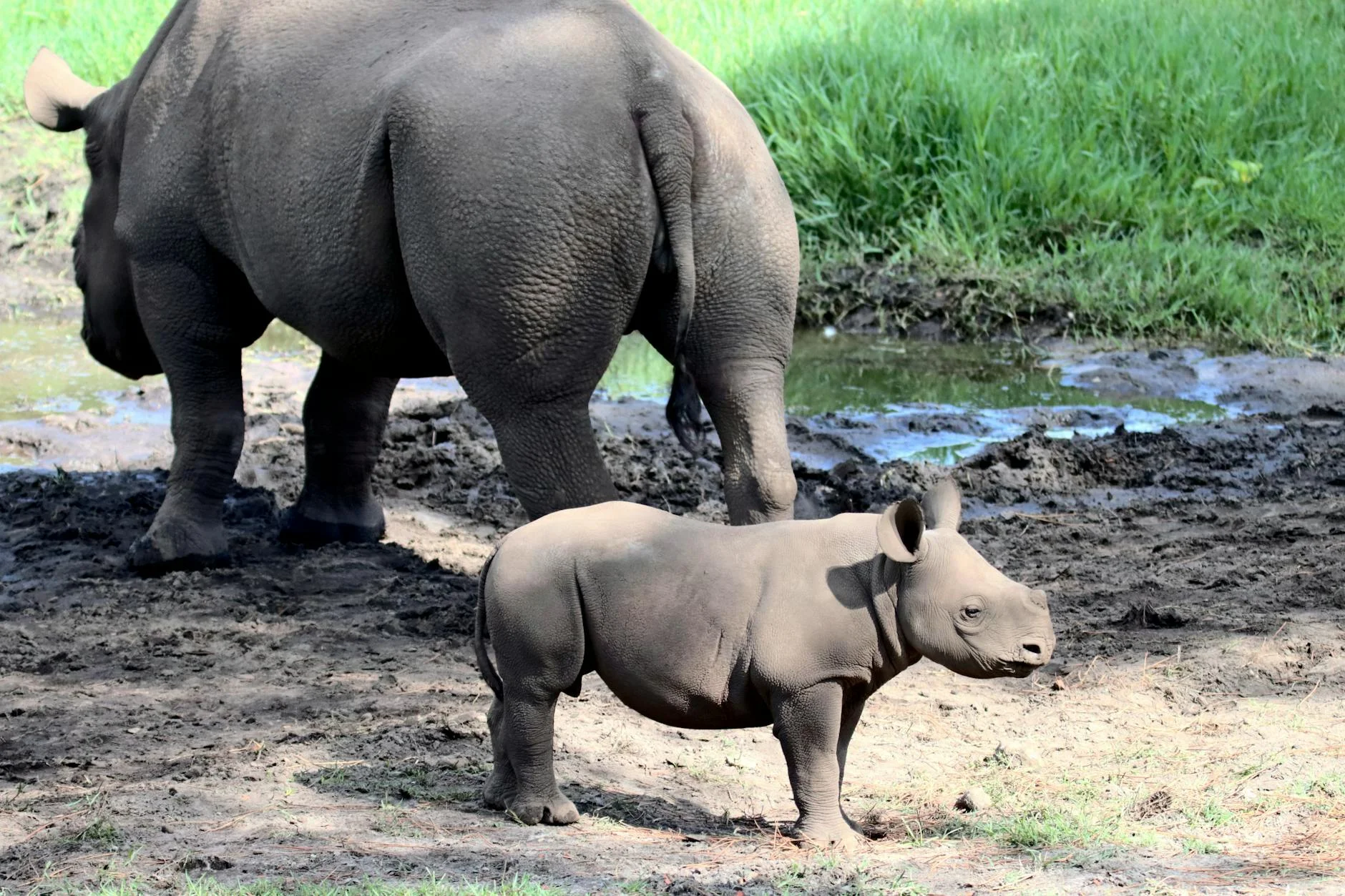
White rhinos are more social, often seen in small groups of 2-5 individuals, especially females with calves. Males are more solitary and territorial. Black rhinos are primarily solitary, with females and calves staying together until the calf is independent. Both species are territorial and mark their territories.
Defensive Behaviour
Rhinos can be aggressive if threatened, especially black rhinos which are known for their unpredictable nature. They may charge if they feel cornered or surprised. However, rhinos are generally not dangerous to safari vehicles and are habituated to them. Their poor eyesight means they may charge at perceived threats, but they typically stop before reaching vehicles.
Best Places to See Rhinos on Safari in Africa
Lake Nakuru National Park, Kenya
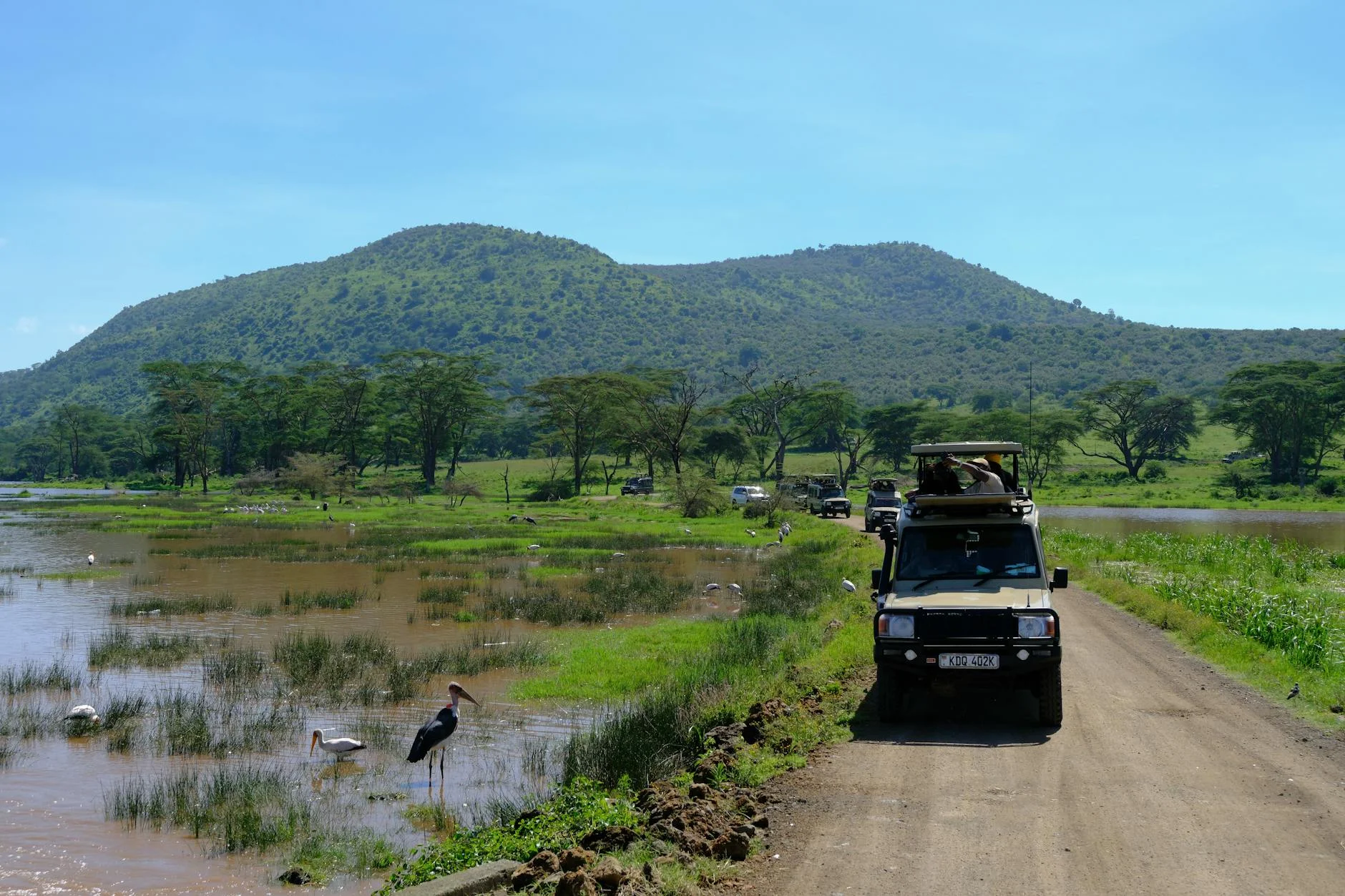
Lake Nakuru offers some of the most reliable rhino sightings in East Africa, with both white and black rhinos present. The park's fenced boundaries and active conservation efforts have helped protect the rhino population. White rhinos are more commonly seen, often grazing in the open grasslands near the lake. The park's small size and good road network make rhino sightings frequent and accessible.
Learn more about Lake Nakuru →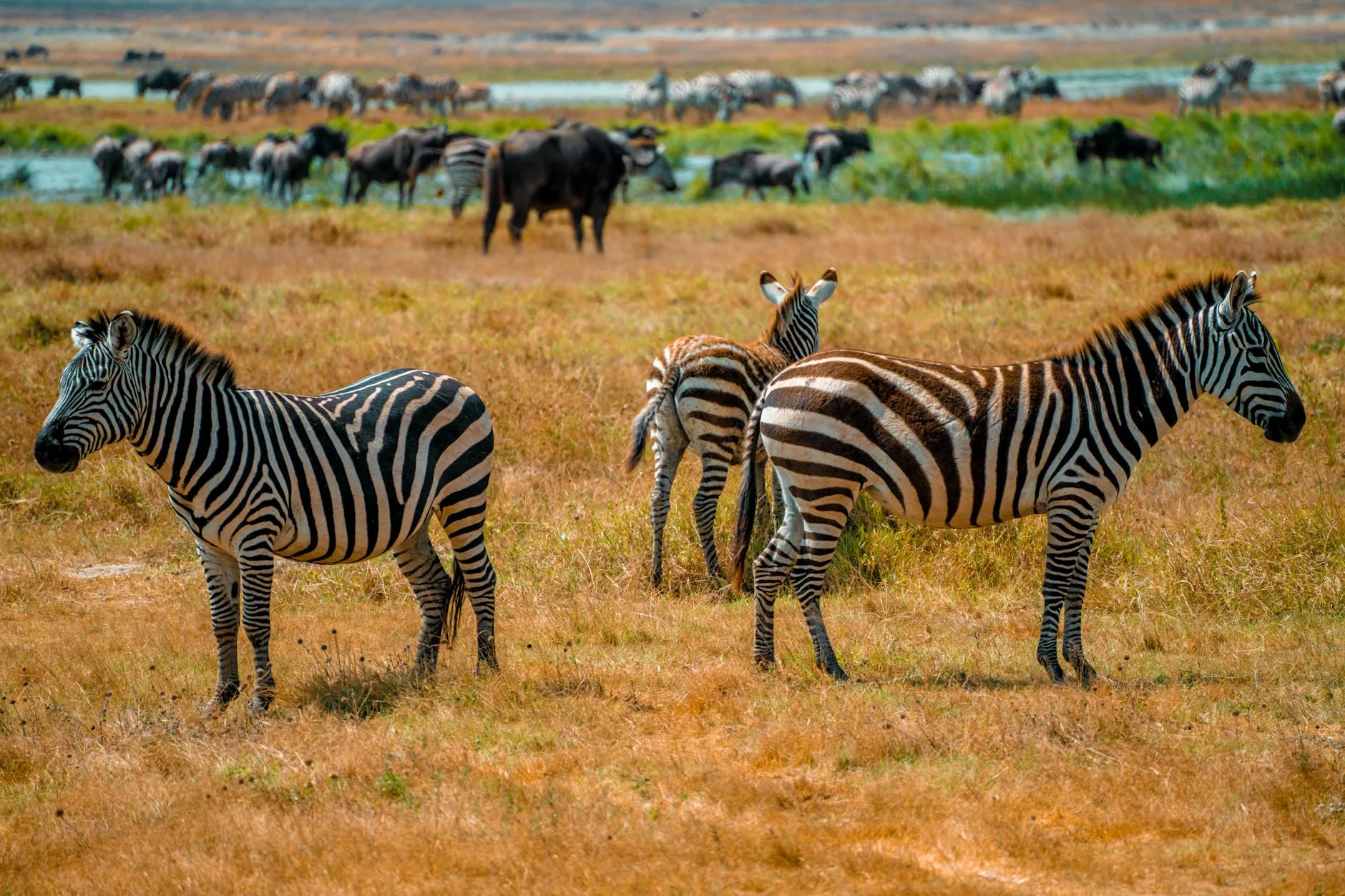
Ngorongoro Crater, Tanzania
Ngorongoro Crater is one of the best places in Africa to see black rhinos. The crater's enclosed ecosystem supports a small but visible population of black rhinos, with approximately 20-30 individuals. The crater's small size and open grasslands make rhino sightings more likely than in larger parks. Black rhinos in the crater are well-habituated to vehicles, allowing for excellent viewing opportunities.
Learn more about Ngorongoro →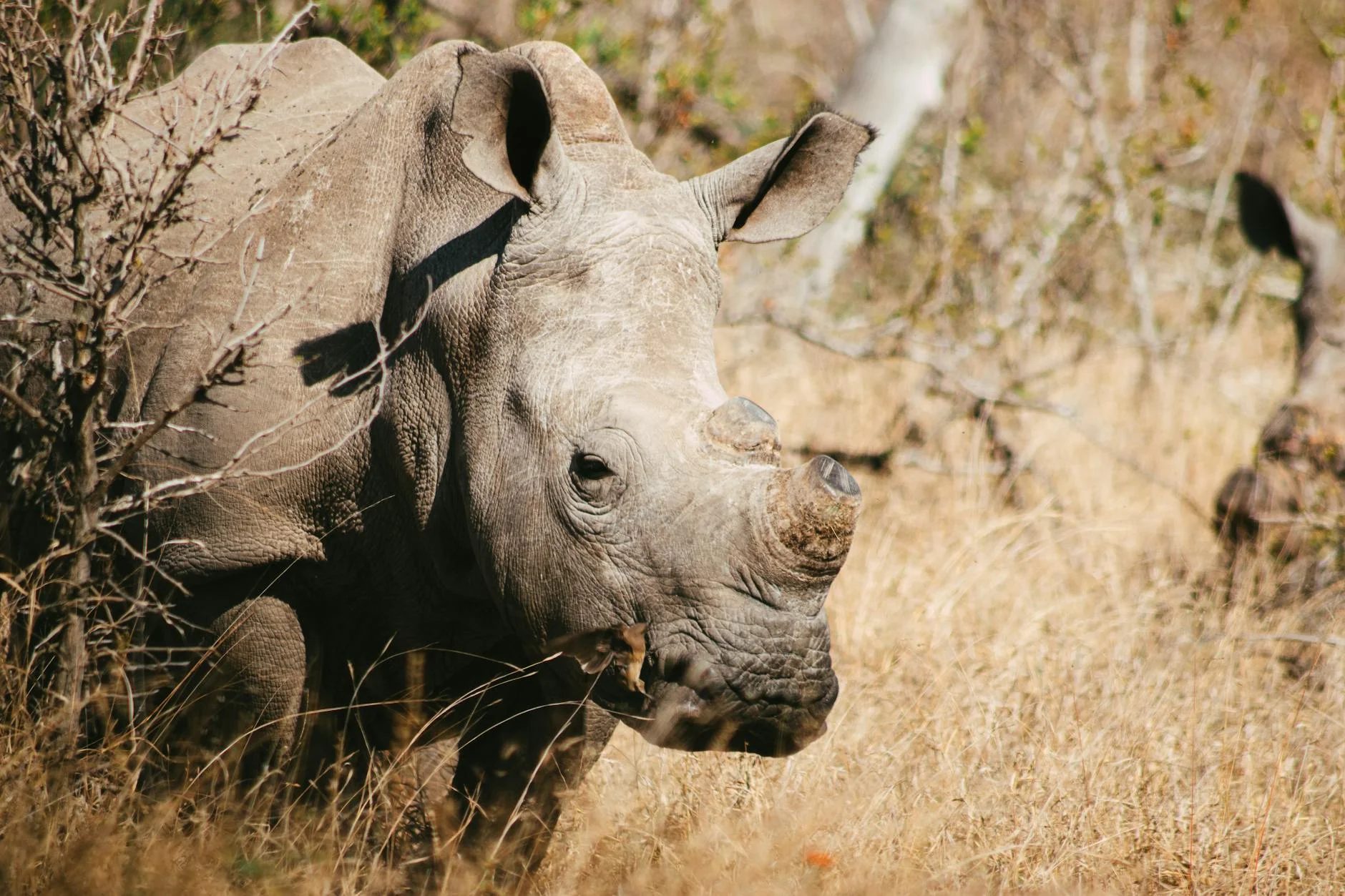
Kruger National Park, South Africa
Kruger National Park is home to both white and black rhinos, though white rhinos are more commonly seen. The park's large size and varied habitats support rhinos throughout, though sightings are less guaranteed than in smaller, more protected reserves. The park's excellent road network and high wildlife density mean that with patience, rhino sightings are possible, especially in the southern and central regions.
Learn more about Kruger →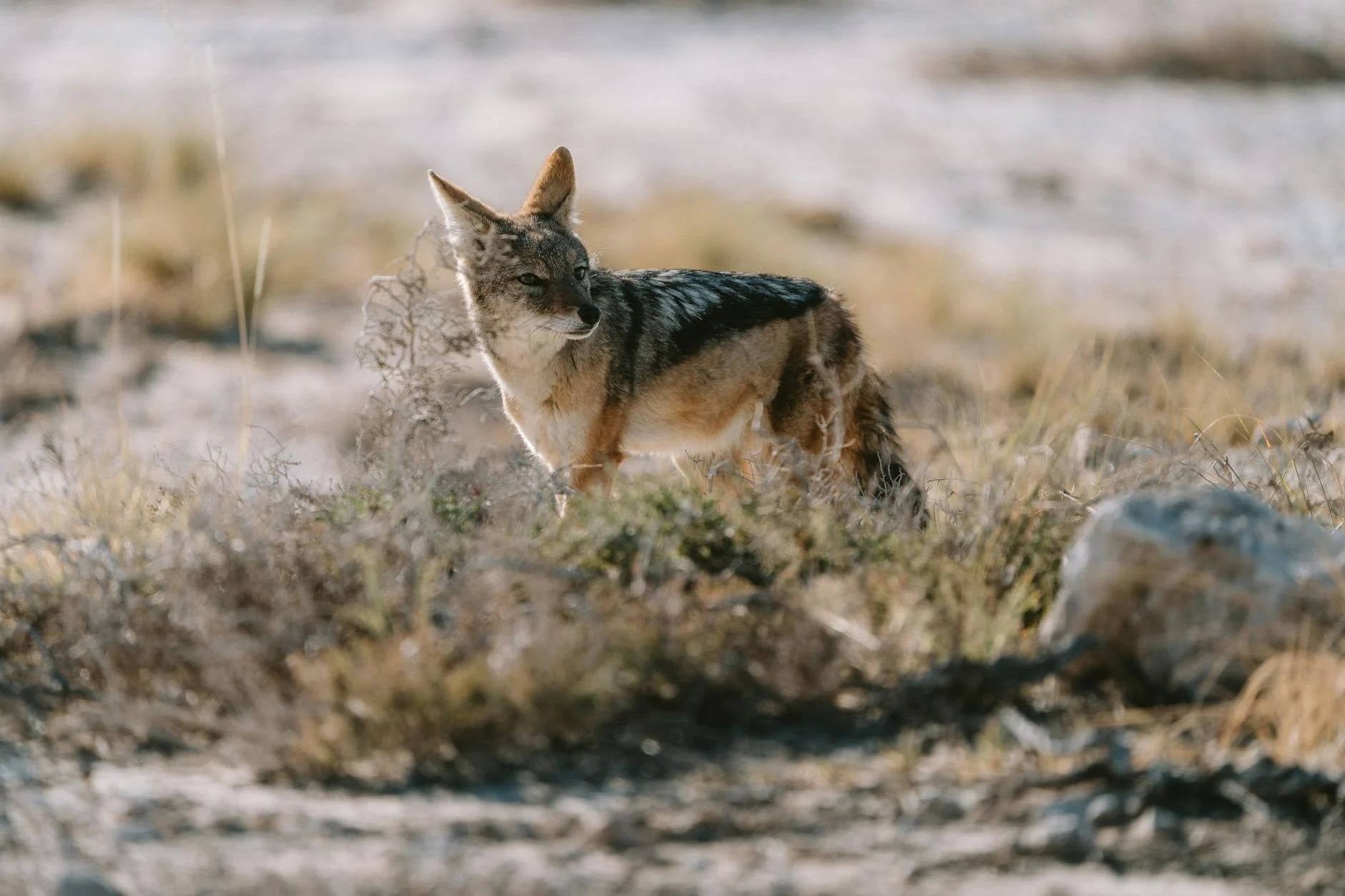
Etosha National Park, Namibia
Etosha National Park is one of the best places in Southern Africa to see black rhinos. The park's waterholes, especially those near the Etosha Pan, attract rhinos during the dry season, creating excellent viewing opportunities. Black rhinos are often seen at waterholes in the early morning and late afternoon. The park's open terrain and waterhole-focused viewing make rhino sightings more reliable than in many other destinations.
Best Time to See Rhinos on Safari – Seasonal Viewing Guide
Rhinos can be seen year-round in protected reserves, but certain times offer better viewing opportunities. Understanding seasonal patterns can help you plan the best time to see rhinos on safari.
Dry Season (May-October)
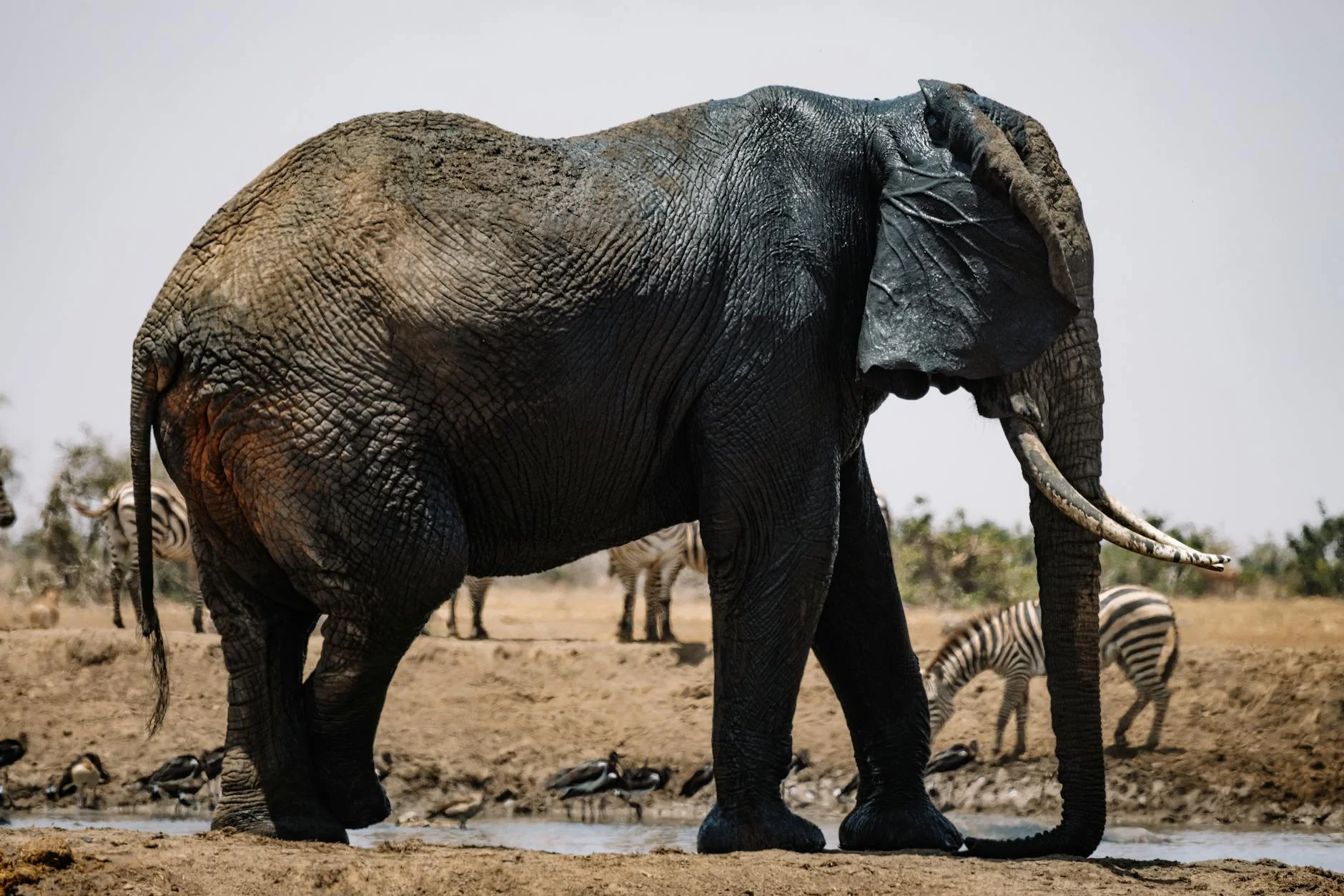
The dry season is generally the best time to see rhinos on safari. As water sources dry up, rhinos concentrate around remaining waterholes and rivers, making them easier to find and observe. The sparse vegetation also improves visibility. In destinations like Etosha and Ngorongoro, the dry season brings rhinos to waterholes regularly, creating reliable viewing opportunities.
Wet Season (November-April)
During the wet season, water is abundant and rhinos may disperse across the landscape. While rhinos are still visible in protected reserves, they may be harder to find as they don't need to gather at specific water sources. However, the wet season brings lush green landscapes and is the calving season, offering opportunities to see young rhinos. The wet season also offers fewer crowds.
Time of Day
Rhinos are most active during early morning and late afternoon when temperatures are cooler. Early morning game drives (6-9am) offer the best chances of seeing rhinos moving, feeding, or heading to water sources. Late afternoon drives (4-7pm) often catch rhinos at waterholes, where they gather to drink. Rhinos may rest in the shade during the heat of the day but are still visible, especially in protected reserves with good road networks.
Rhino Conservation Status – Critical Protection Efforts
Conservation Status
Both black and white rhinos are critically endangered. There are approximately 5,000-6,000 black rhinos and 15,000-18,000 white rhinos remaining in Africa. Rhino populations have declined dramatically due to poaching for their horns, which are highly valued in illegal markets, particularly in Asia. Conservation efforts are critical for their survival.
Threats and Protection
Major Threats: Poaching for rhino horn is the primary threat, driven by demand in illegal markets. Habitat loss and fragmentation also impact rhino populations. Many rhinos are now protected in fenced reserves or under 24/7 armed guard.
Conservation Efforts: Intensive anti-poaching efforts, habitat protection, community engagement, and dehorning programs help protect rhinos. Tourism plays a crucial role by providing economic incentives for conservation. Your visit to see rhinos on safari directly supports these protection efforts.
Seeing a rhino in the wild is a rare privilege that supports critical conservation efforts. When choosing a safari operator, look for those that support rhino conservation initiatives and work with local communities. Your visit helps fund anti-poaching patrols, habitat protection, and community-based conservation programs that are essential for rhino survival.