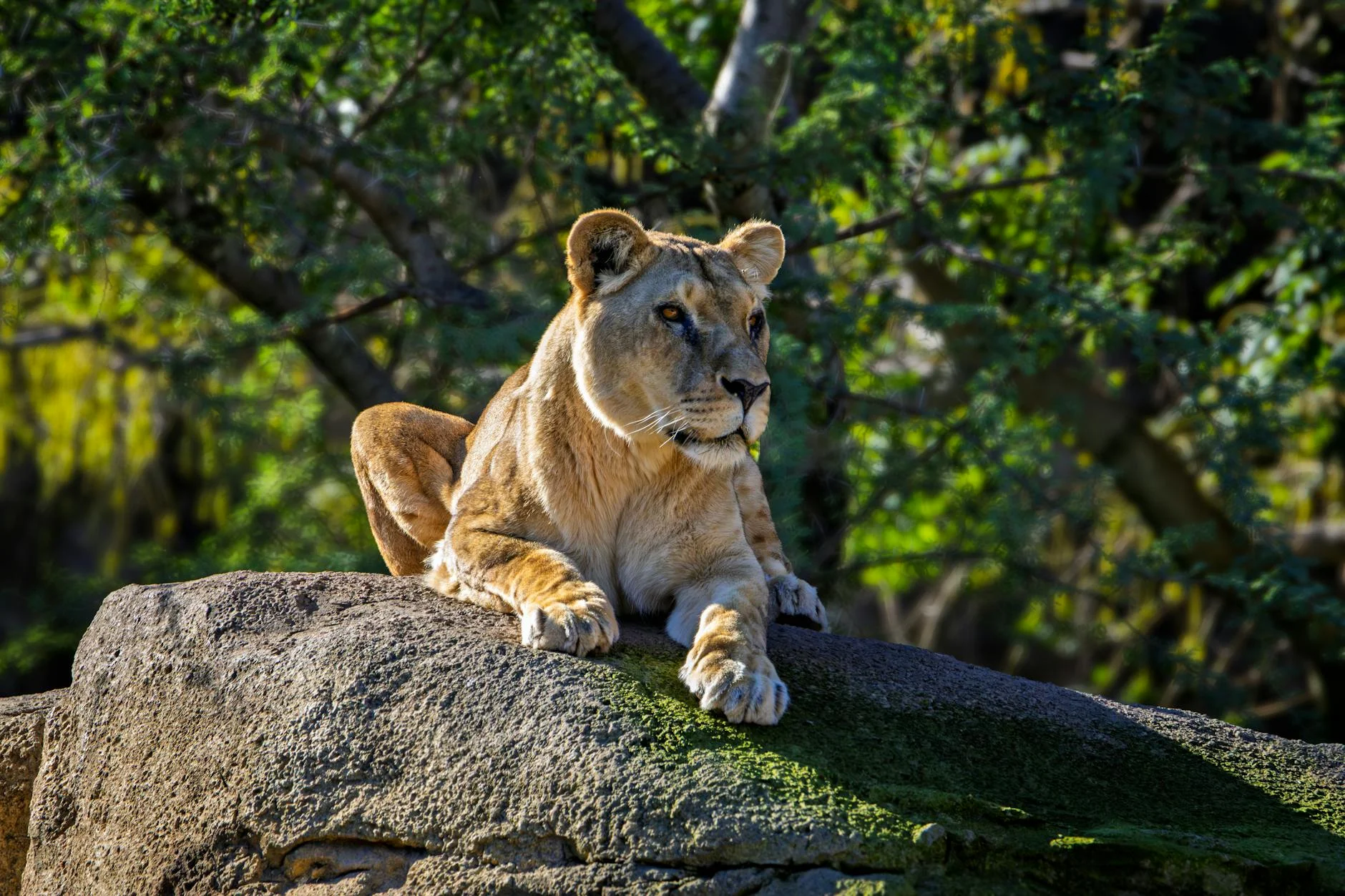
Lions on Safari – Where to See Lions in Africa
The African lion (Panthera leo) stands as one of Africa's most iconic and sought-after animals to see on safari. Known as the "king of the jungle" (though they actually inhabit savannahs and grasslands), lions are the second-largest big cat species and the only truly social cats, living in prides that can number up to 20 individuals.
For UK travellers embarking on their first safari, seeing lions in the wild is often the highlight of the trip. Lions are found across sub-Saharan Africa, with the best viewing opportunities in East and Southern Africa's premier national parks and reserves. Understanding lion behaviour, the best places to see lions, and optimal viewing times can significantly enhance your safari experience.
About Lions on Safari – Physical Characteristics and Identification
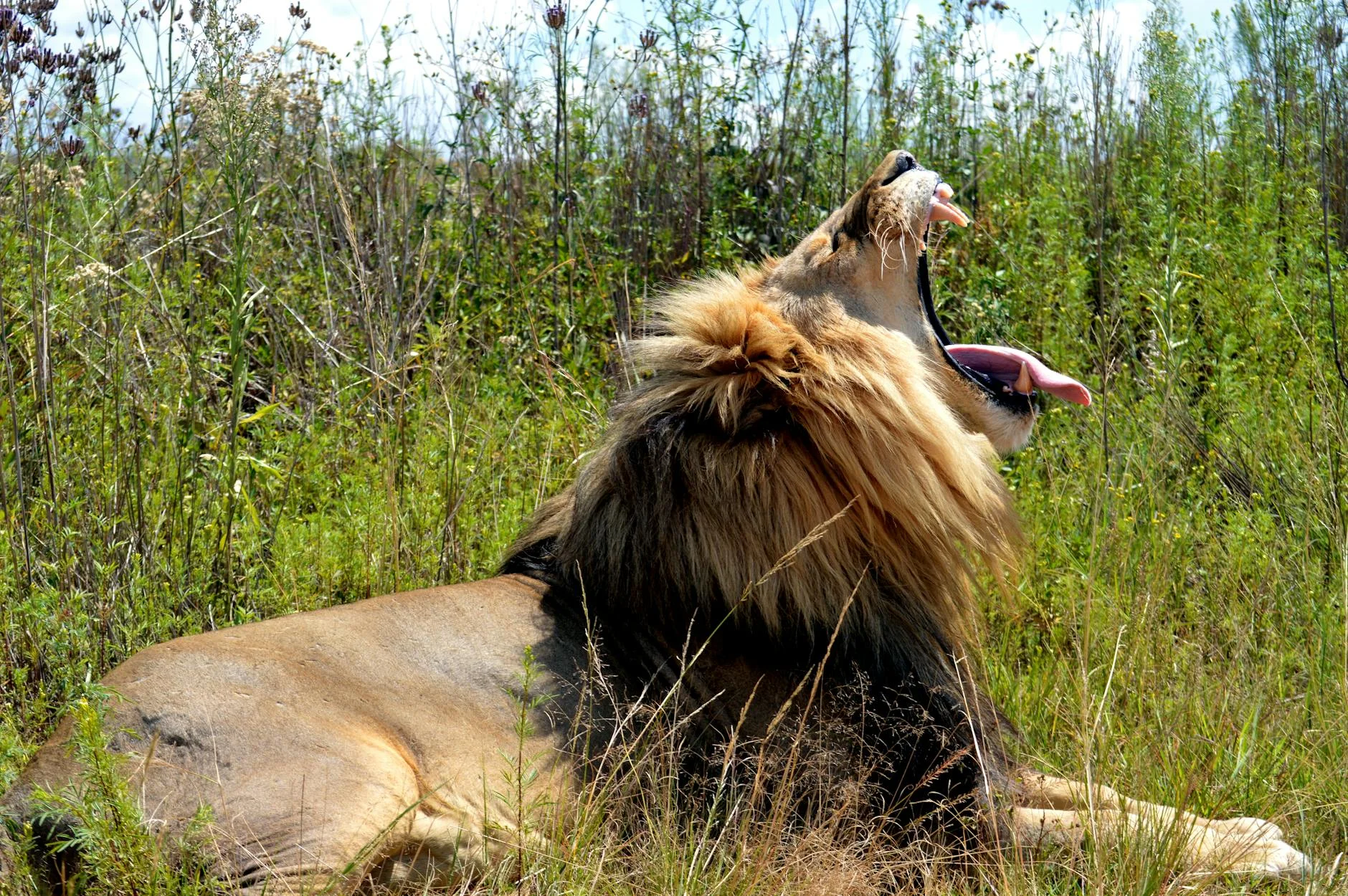
Male Lions
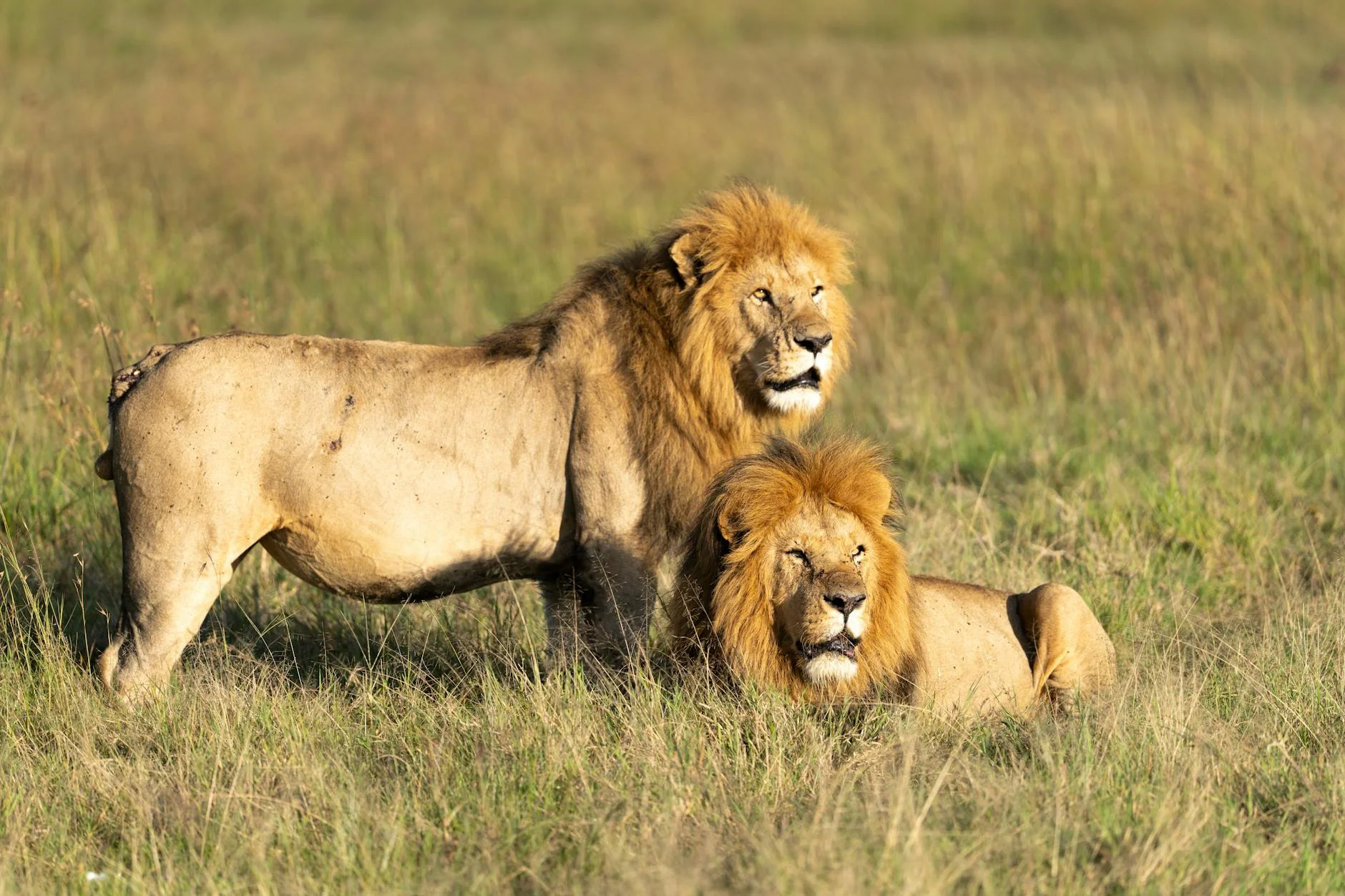
Adult males are larger than females, typically weighing 150-250kg (330-550lbs). The most striking feature is their impressive mane, which varies in colour from blonde to black and becomes darker and fuller with age. The mane serves as protection during fights and as a visual indicator of health and fitness to potential mates.
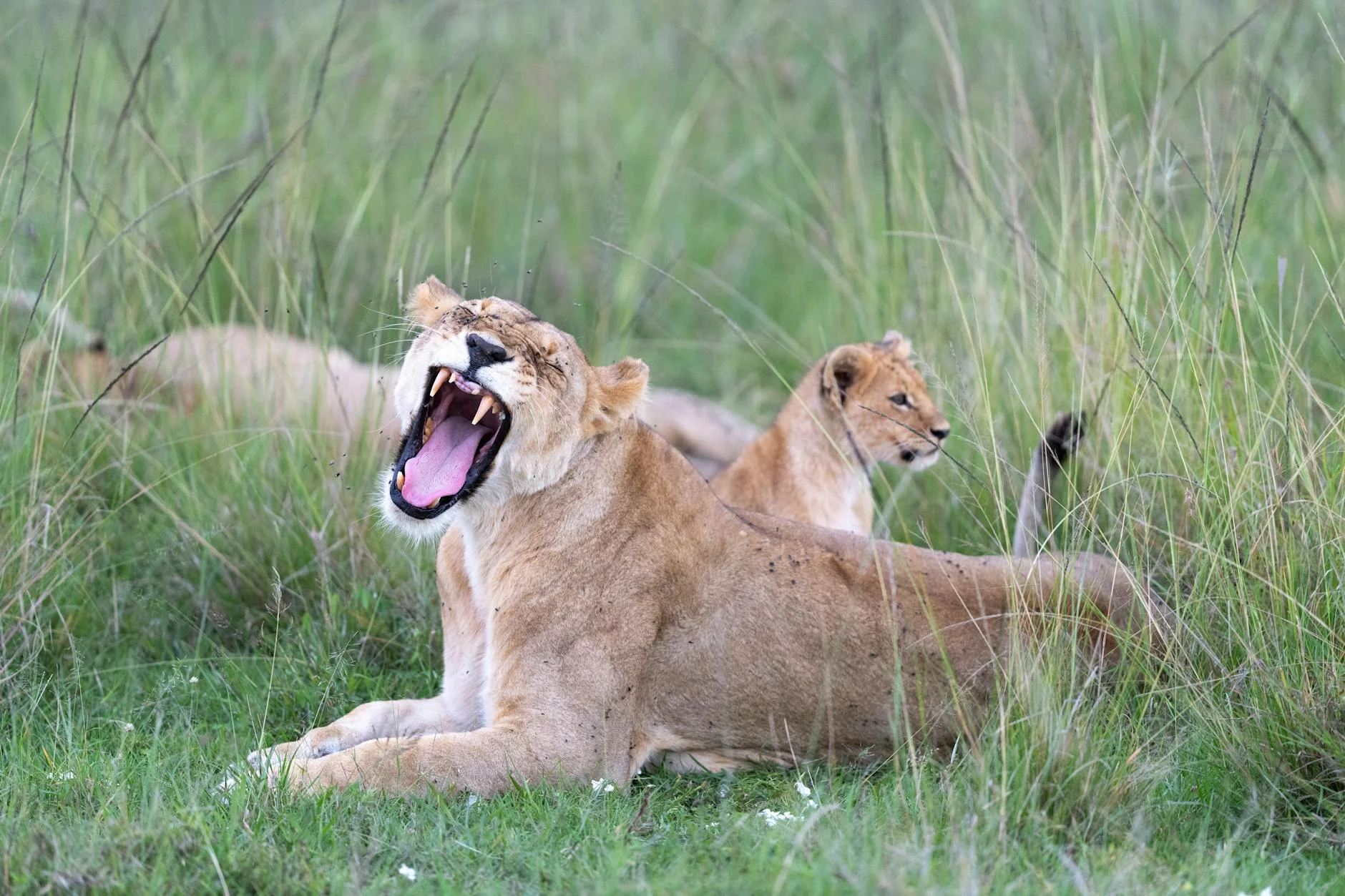
Female Lions (Lionesses)
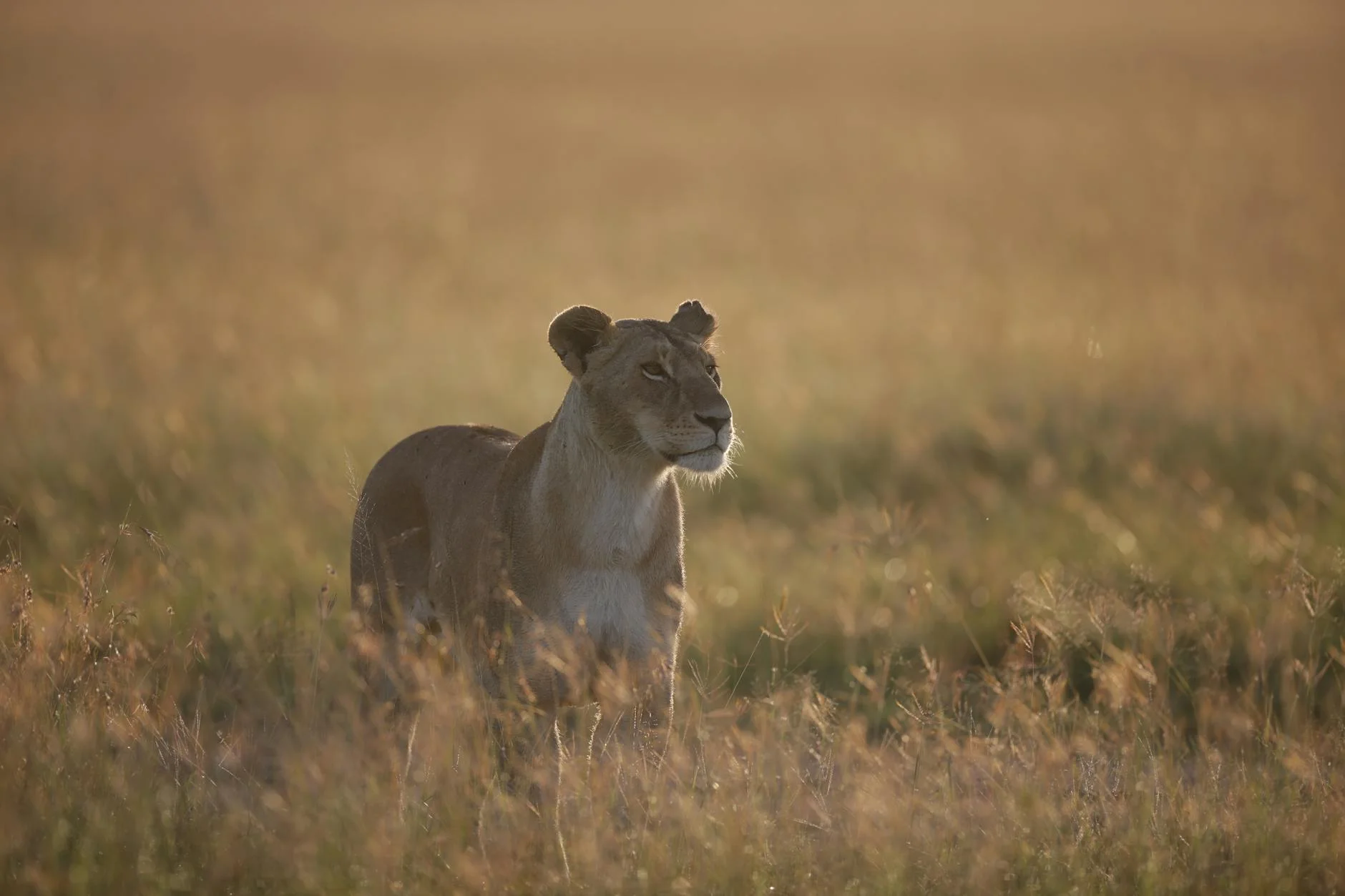
Female lions lack manes and are typically more slender, weighing 120-180kg (265-400lbs). Both sexes have tawny-coloured coats, though the shade can vary from light sandy to reddish-brown. Lionesses are the primary hunters in the pride, using their agility and teamwork to bring down prey.
Lions have powerful builds with strong jaws capable of delivering a crushing bite. Their retractable claws and muscular bodies make them formidable predators, capable of bringing down prey much larger than themselves. When observing lions on safari, you'll notice their excellent camouflage against the golden grasses of the savannah. Lions often rest in groups, making them easier to spot than solitary predators like leopards. Their social nature and tendency to be active during cooler parts of the day make lions one of the most reliable big cats to see on safari.
Lion Behaviour on Safari – Understanding Pride Dynamics
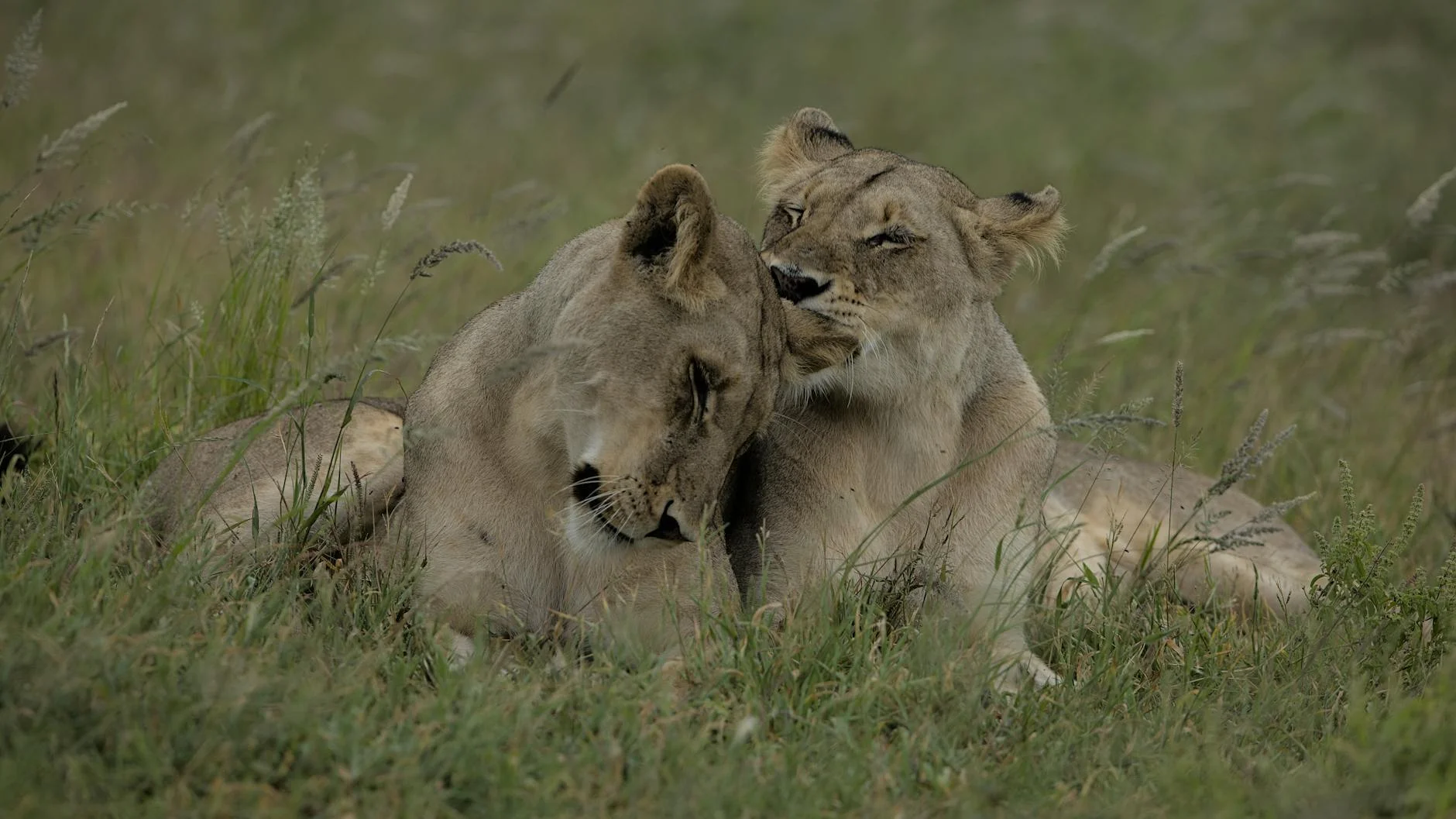
Lions are unique among big cats for their social structure. They live in prides consisting of related females, their cubs, and a coalition of 1-3 adult males. Pride sizes vary significantly by location: in the Masai Mara and Serengeti, prides can number 15-20 lions, while in more arid regions like the Kalahari, prides may be smaller (3-8 lions).
Hunting Behaviour
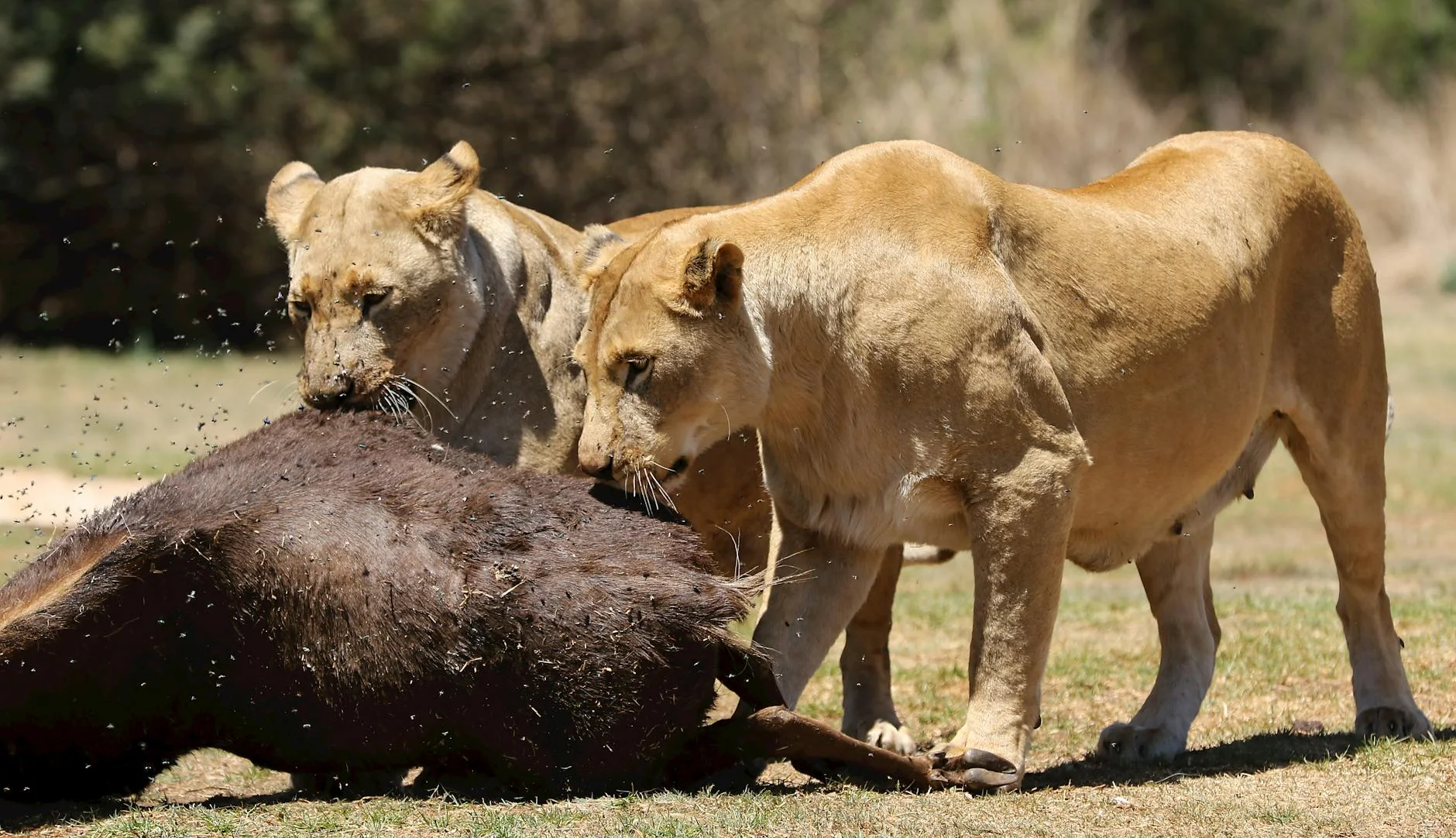
Lionesses do most of the hunting, working together in coordinated groups to bring down prey. They use stealth and teamwork, with some members driving prey toward others lying in ambush. Lions are opportunistic hunters, targeting animals from small antelope to large buffalo.
Territorial Behaviour
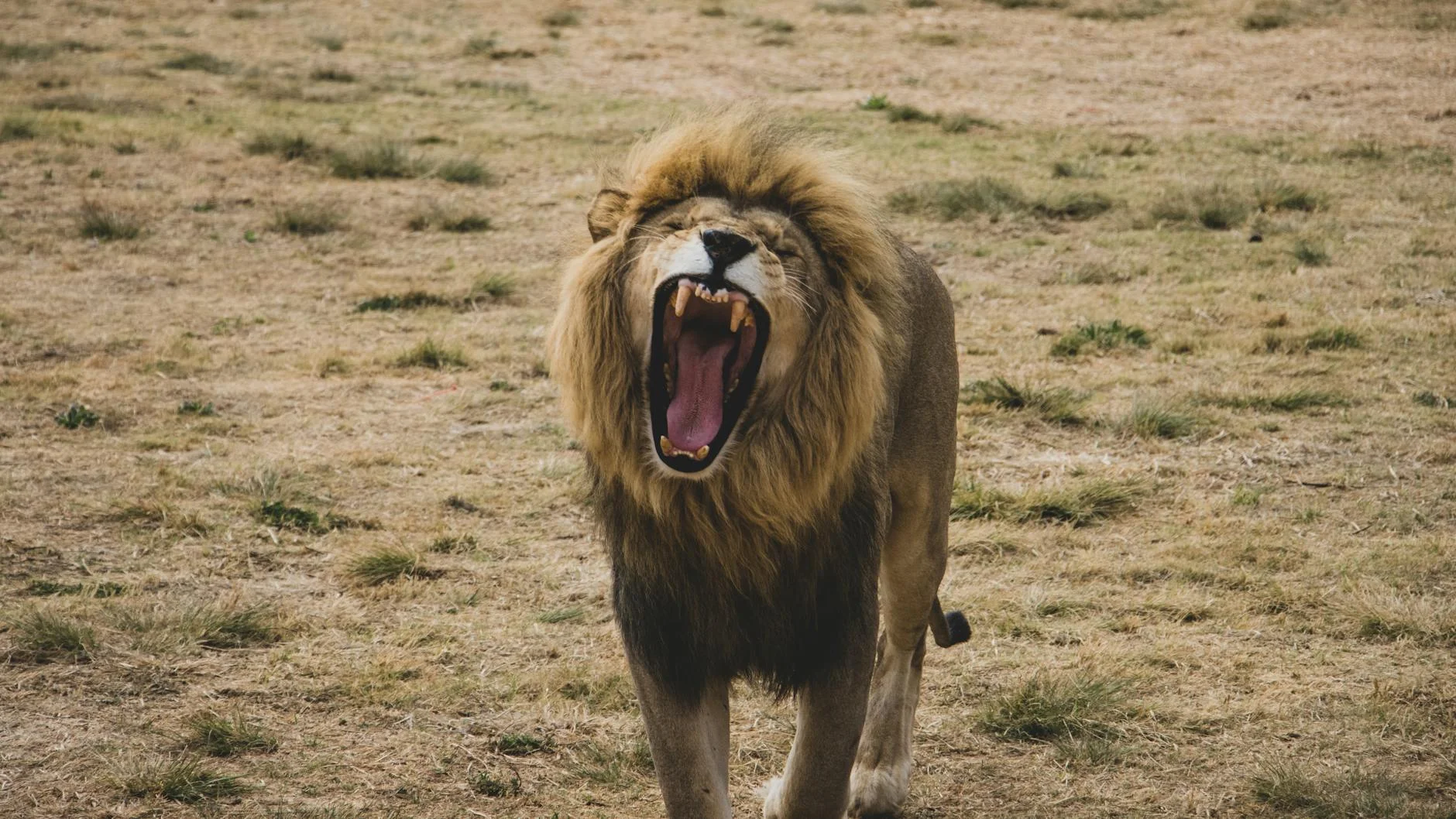
Male lions defend the pride's territory from rival males, marking boundaries with scent and roaring. The deep, resonant roar of a male lion can be heard up to 8km away and serves to communicate territory ownership and warn off intruders.
Cub Rearing
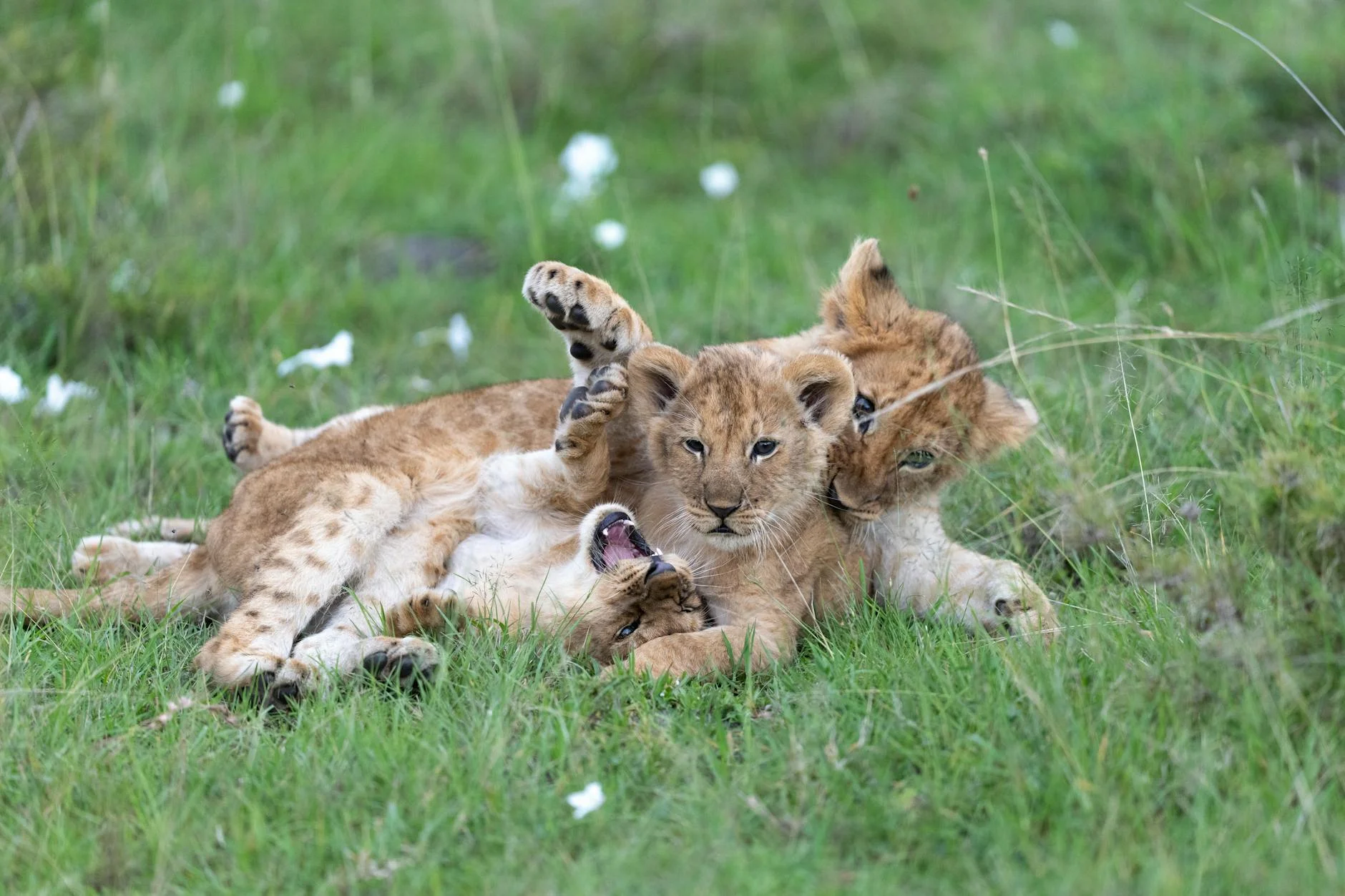
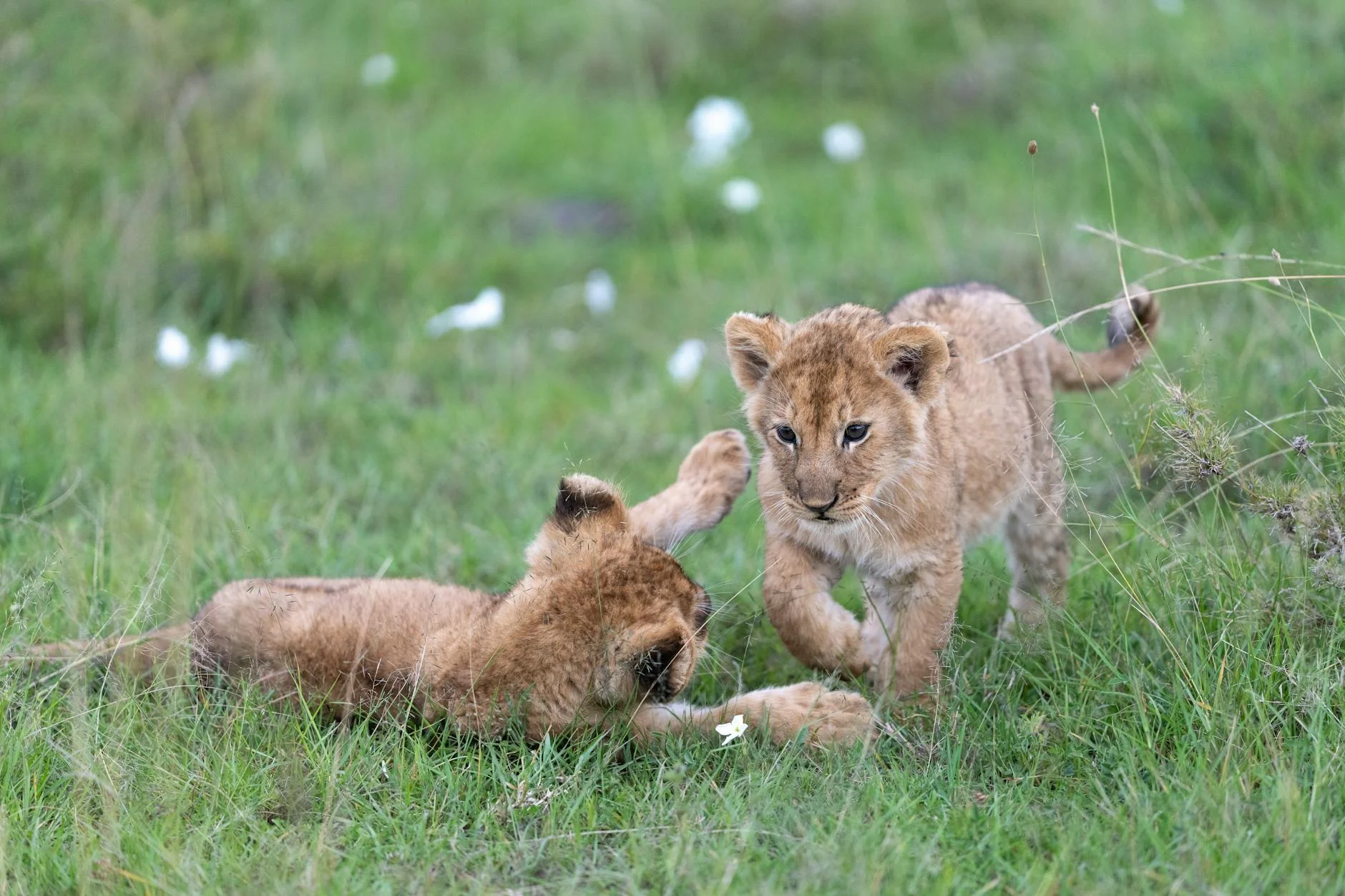
Lionesses in a pride often give birth around the same time, allowing for communal cub rearing. Cubs are born with spotted coats that fade as they mature. They begin accompanying the pride on hunts at around 3 months.
Best Places to See Lions on Safari in Africa
Masai Mara National Reserve, Kenya
The Masai Mara offers exceptional lion viewing year-round, with one of Africa's highest lion densities. The reserve is home to several well-known prides, including the Marsh Pride, made famous by the BBC's "Big Cat Diary". The open grasslands provide excellent visibility, and lions are frequently seen hunting wildebeest during the Great Migration (July-October).
Learn more about the Masai Mara →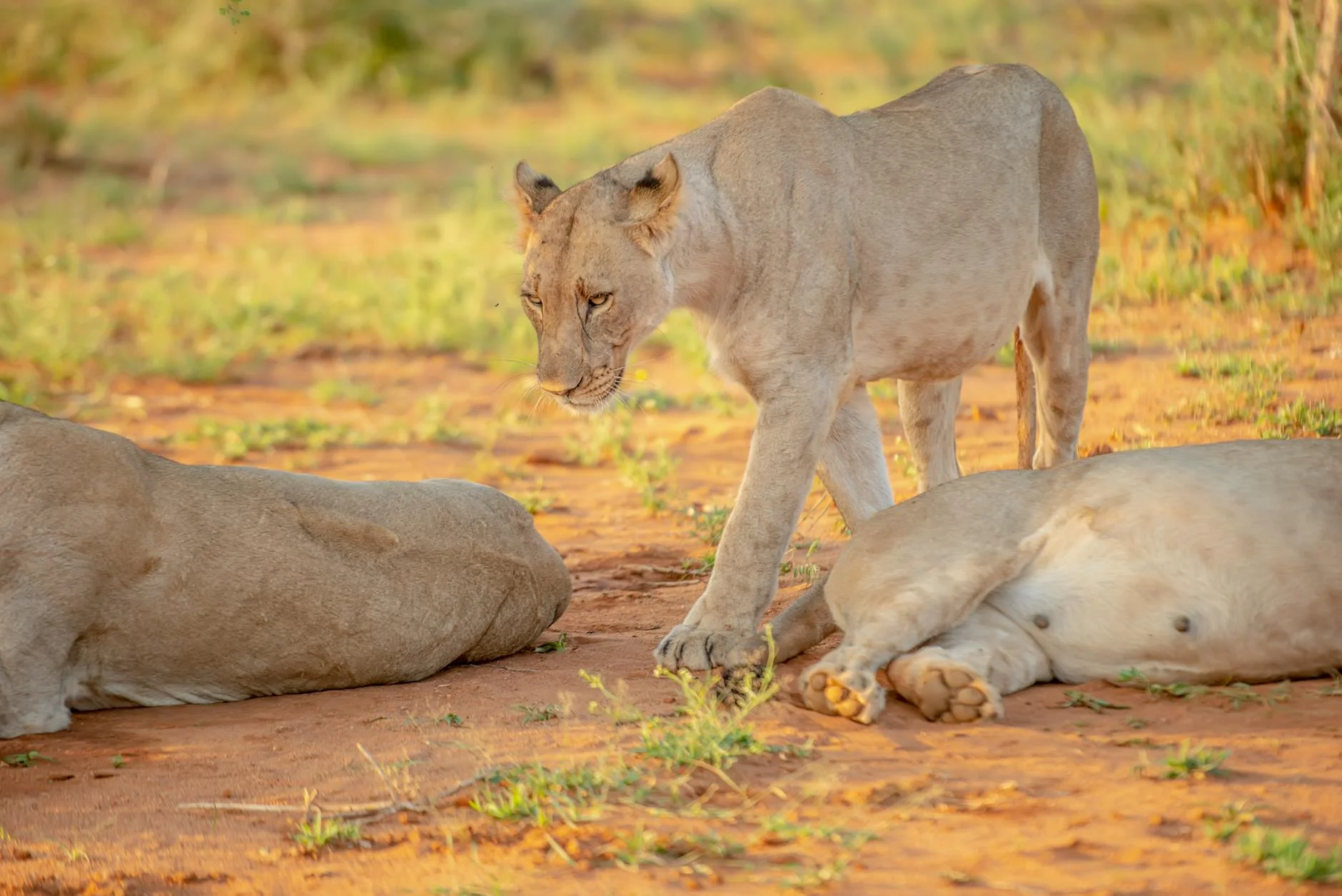
Serengeti National Park, Tanzania
The Serengeti's vast plains support a healthy lion population, with prides often numbering 15-20 individuals. The park's diverse habitats, from open grasslands to acacia woodlands, provide lions with varied hunting opportunities. The Serengeti is particularly good for seeing lions during the dry season (June-October) when animals congregate around water sources.
Learn more about the Serengeti →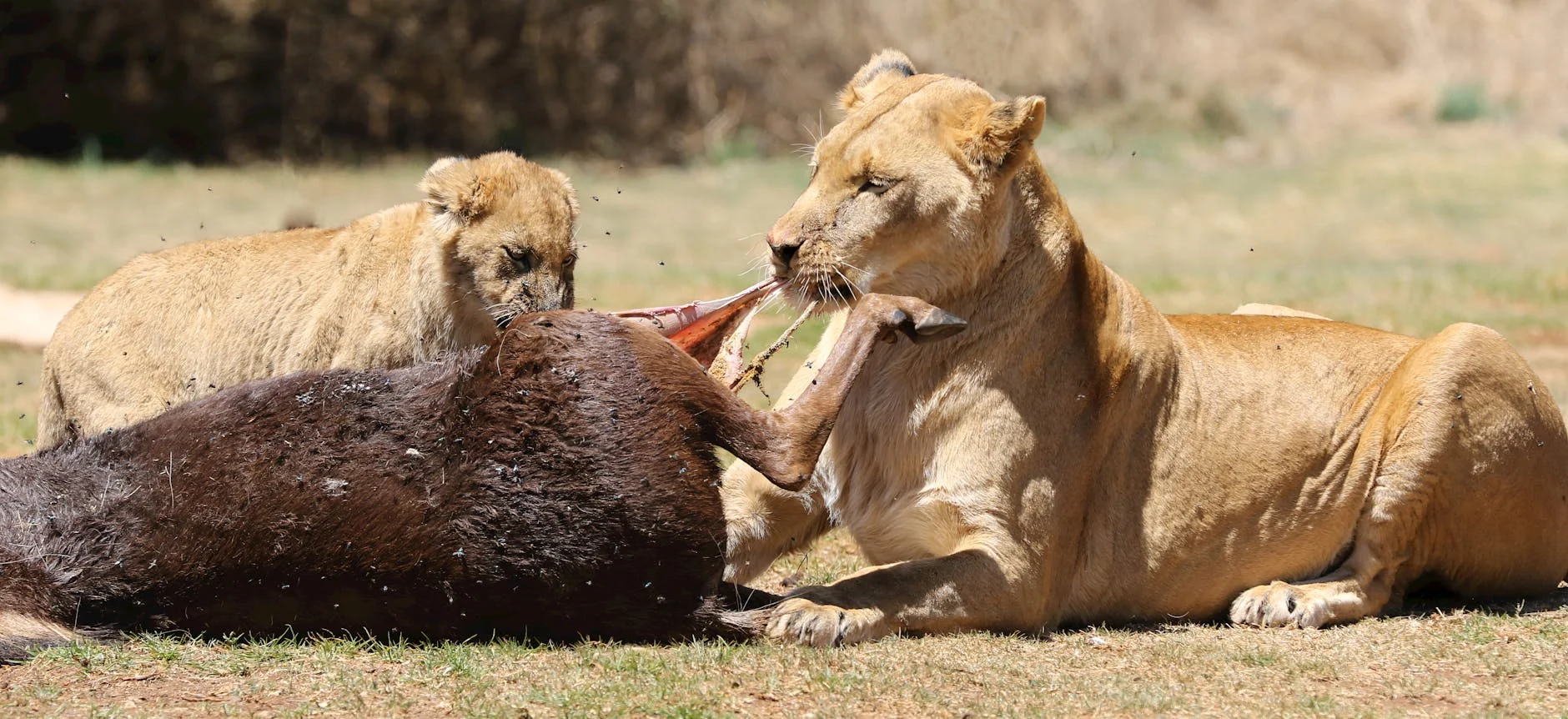
Kruger National Park, South Africa
Kruger National Park is home to approximately 1,600 lions, making it one of the best places to see lions in Southern Africa. The park's excellent road network and high lion density mean sightings are frequent. Kruger's varied habitats support lions throughout the park, from the open savannahs of the south to the mopane woodlands of the north.
Learn more about Kruger National Park →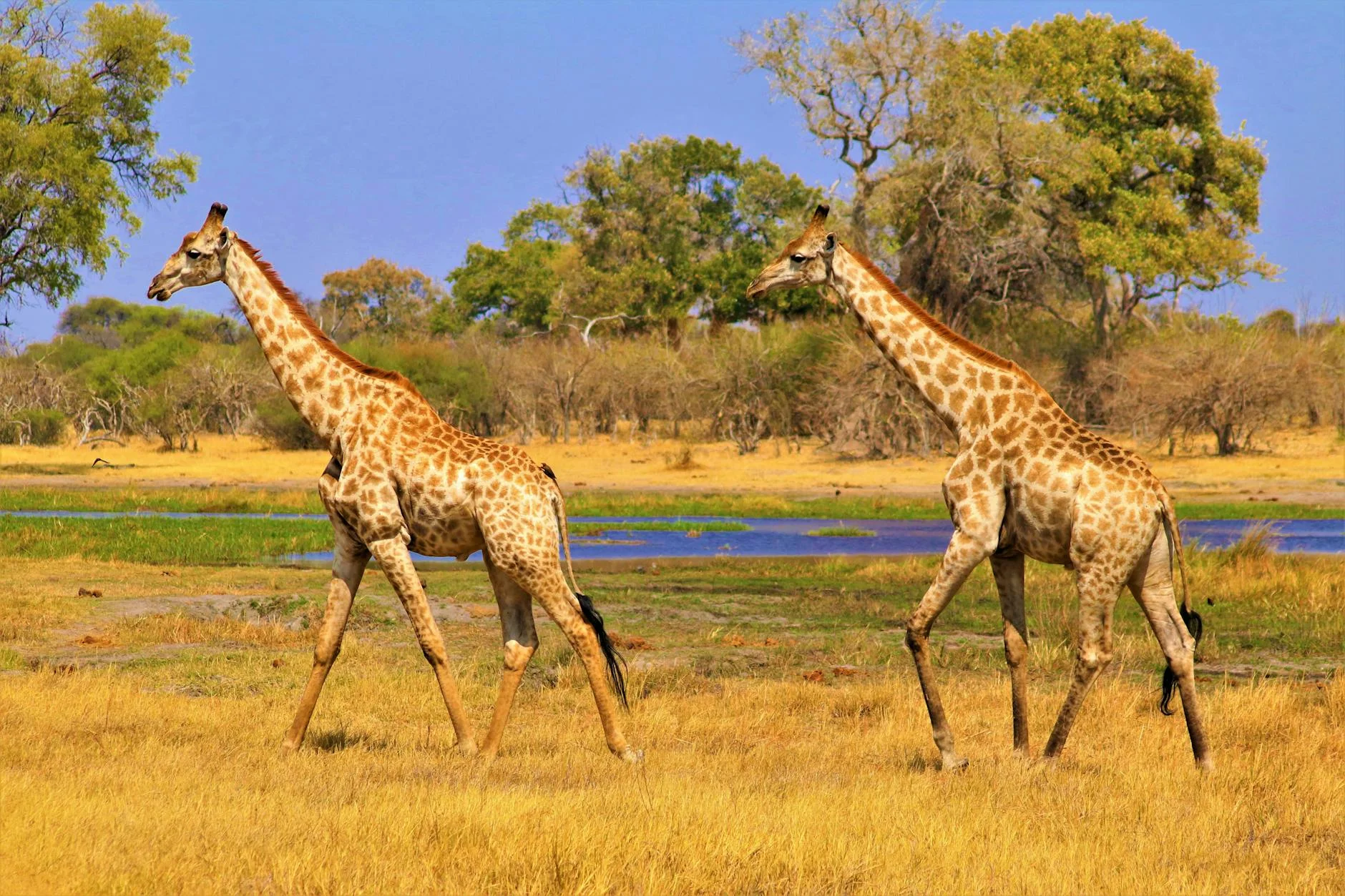
Okavango Delta, Botswana
The Okavango Delta offers unique lion viewing opportunities, with prides adapted to the seasonal floodplains. Lions in the delta have developed interesting behaviours, including swimming between islands and hunting in water. The Moremi Game Reserve within the delta is particularly good for lion sightings.
Learn more about the Okavango Delta →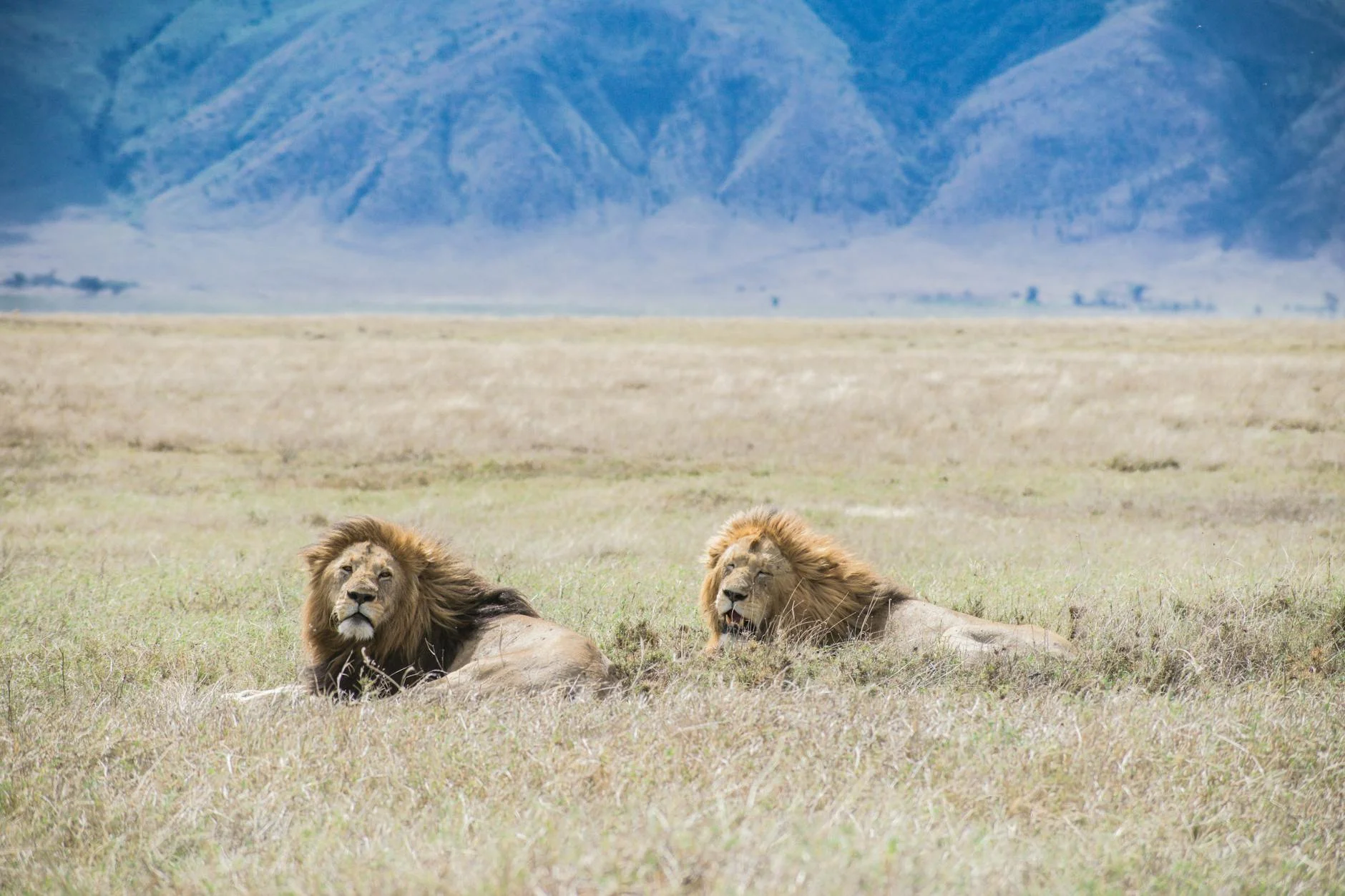
Ngorongoro Crater, Tanzania
The Ngorongoro Crater's enclosed ecosystem supports a high density of lions, with approximately 60-70 lions living in the crater floor. The crater's small size (260km²) and high prey density make lion sightings almost guaranteed. The resident prides are well-habituated to vehicles, allowing for excellent close-up viewing and photography opportunities.
Learn more about Ngorongoro Crater →Best Time to See Lions on Safari – Seasonal Viewing Guide
Lions can be seen year-round in most African safari destinations, but certain times offer better viewing opportunities. Understanding seasonal patterns can help you plan the best time to see lions on safari.
Dry Season (May-October)
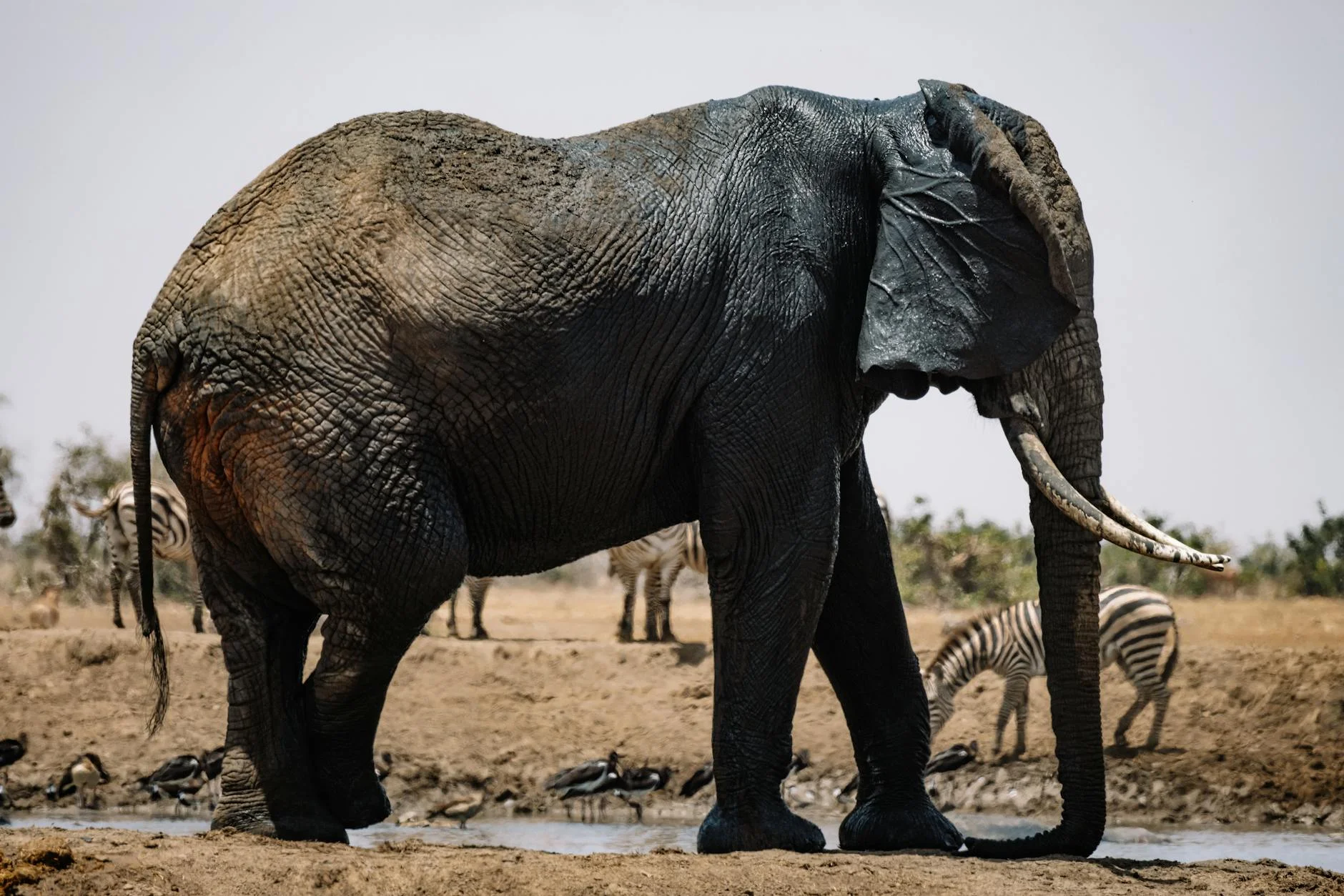
The dry season is generally the best time to see lions on safari. As water sources dry up, prey animals concentrate around remaining waterholes, making hunting easier for lions. The sparse vegetation also improves visibility, making lions easier to spot. In East Africa, the dry season coincides with the Great Migration (July-October), when lions have abundant prey and are more active.
Wet Season (November-April)
During the wet season, water is abundant and prey animals disperse across the landscape. While lions are still visible, they may be harder to find as they follow their prey. However, the wet season brings lush green landscapes and is the calving season for many antelope species, which can lead to increased hunting activity.
Time of Day
Lions are most active during early morning (6-9am) and late afternoon/evening (4-7pm) when temperatures are cooler. Early morning game drives offer the best chances of seeing lions hunting or moving, while late afternoon drives often catch lions as they become active after resting during the heat of the day. Lions typically rest in the shade during midday (10am-4pm), making them easier to spot but less active.
Lion Conservation Status – Threats and Protection
Conservation Status
African lions are classified as "Vulnerable" on the IUCN Red List, with populations declining across much of their range. It's estimated that only 20,000-25,000 lions remain in the wild, down from approximately 200,000 a century ago. The decline is primarily due to habitat loss, human-wildlife conflict, and reduced prey populations.
Threats and Protection
Major Threats: Lions face numerous threats including habitat fragmentation as human populations expand, conflict with livestock farmers, depletion of prey species, and in some areas, trophy hunting. Disease outbreaks, particularly canine distemper and bovine tuberculosis, have also impacted some lion populations.
Conservation Efforts: Many national parks and reserves where lions are protected have stable or increasing populations. Tourism plays a crucial role in lion conservation by providing economic incentives for local communities to protect wildlife and their habitats.
Responsible safari tourism directly contributes to lion conservation by funding anti-poaching efforts, habitat protection, and community-based conservation programs. When choosing a safari operator, look for those that support conservation initiatives and work with local communities. Your visit to see lions on safari helps fund the protection of these magnificent animals and their habitats for future generations.