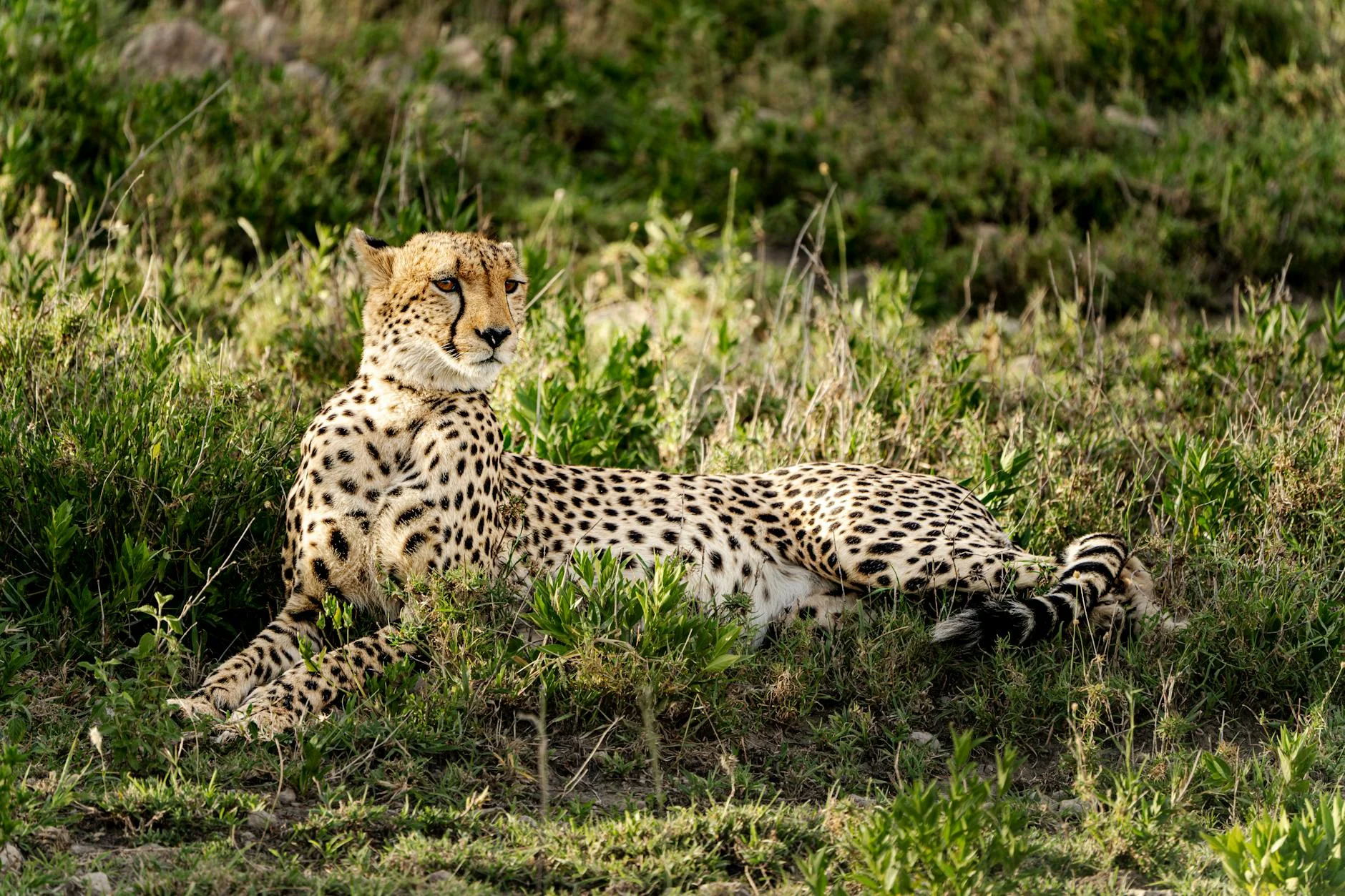
Cheetahs on Safari – Where to See Cheetahs in Africa
The cheetah (Acinonyx jubatus) is the world's fastest land animal and one of Africa's most iconic predators. These sleek, graceful cats are built for speed, capable of reaching 60-70 mph in short bursts. Unlike other big cats, cheetahs are primarily diurnal (active during the day), making them more visible on safari than their nocturnal relatives.
Cheetahs are found across sub-Saharan Africa, though their populations have declined significantly. They prefer open grasslands and savannahs where they can use their speed to hunt. Understanding cheetah behaviour, the best places to see cheetahs, and optimal viewing times can significantly enhance your safari experience and help you spot these magnificent cats.
About Cheetahs on Safari – Physical Characteristics and Identification
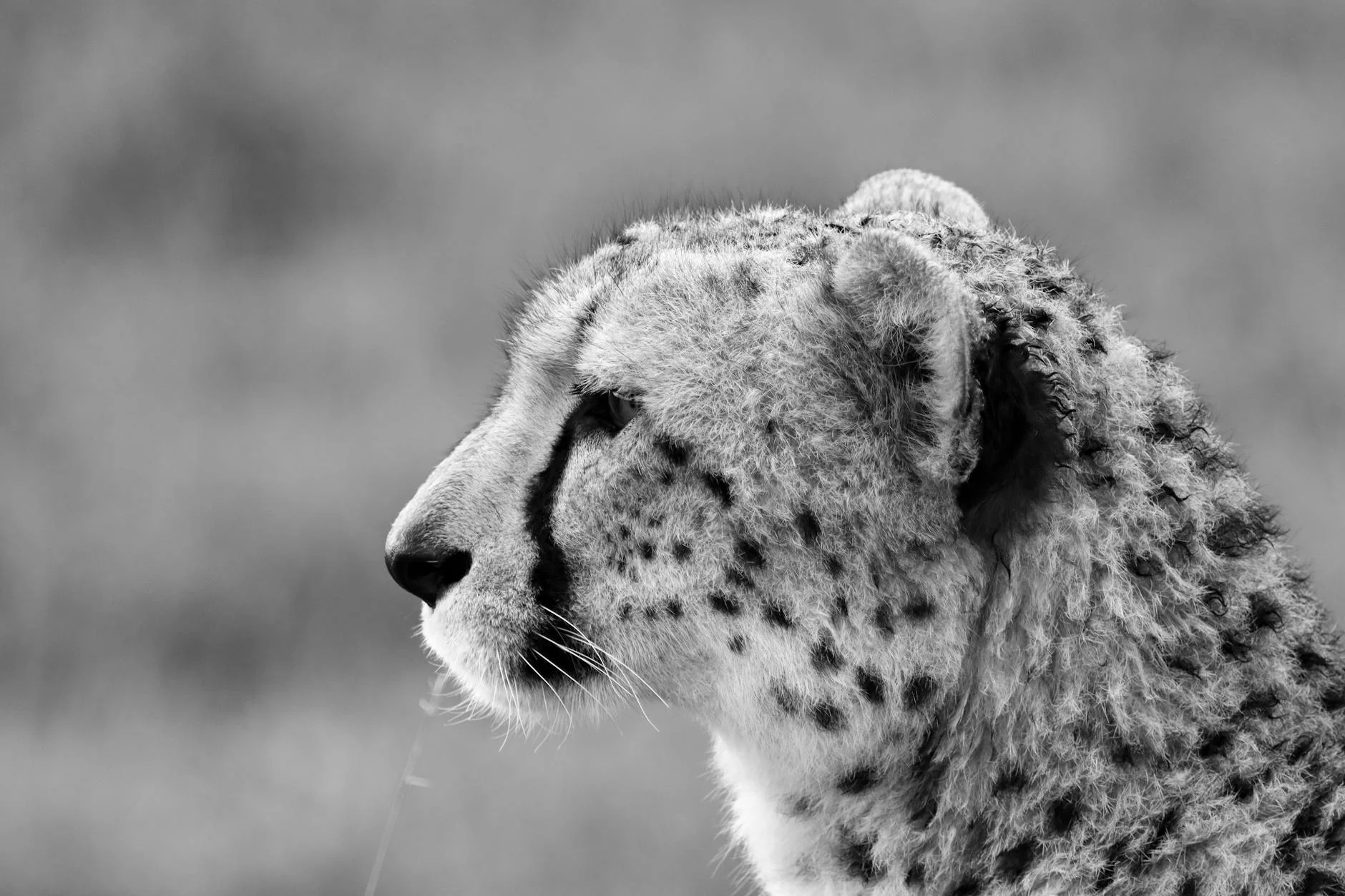
Physical Characteristics
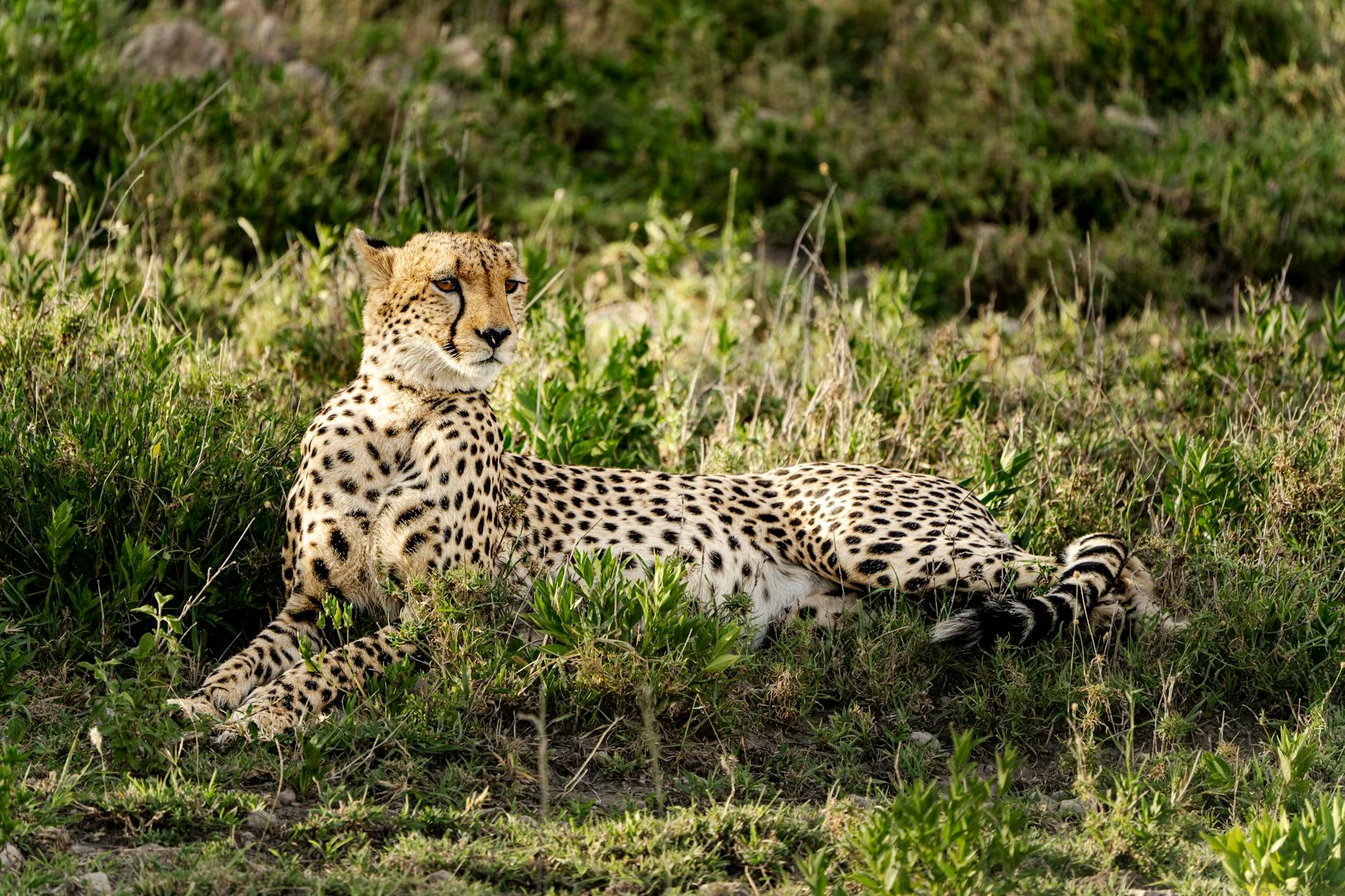
Cheetahs are slender, long-legged cats with small heads and distinctive black "tear marks" running from their eyes down their faces. They have solid black spots (unlike leopards' rosettes) and a long tail that acts as a rudder during high-speed chases. Cheetahs weigh 35-65kg (77-143lbs), with males slightly larger than females. Their lightweight build and flexible spine allow for incredible acceleration and agility.
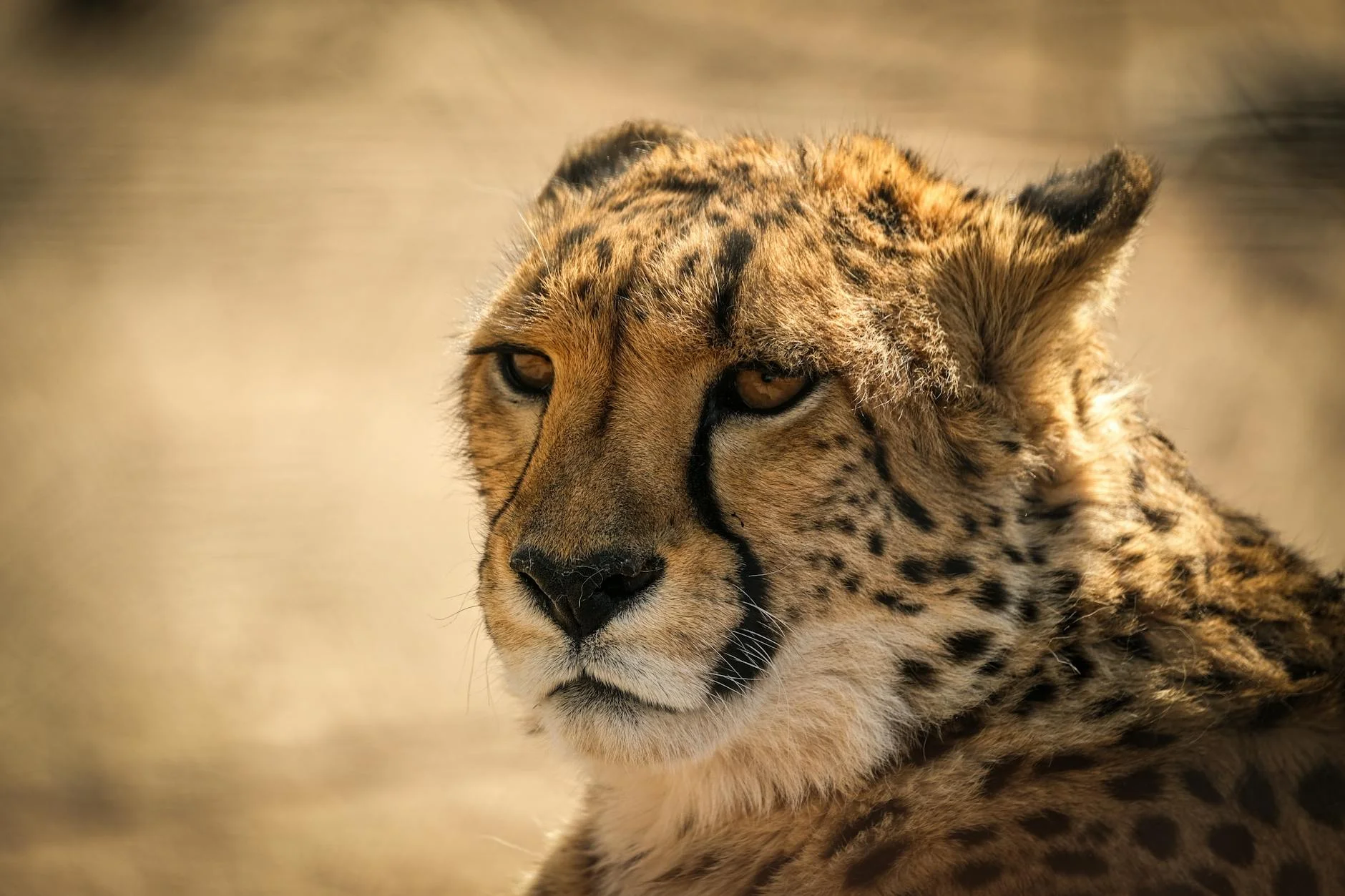
Speed and Agility
Cheetahs are built for speed, with adaptations including large nasal passages for oxygen intake, a flexible spine for maximum stride length, and semi-retractable claws that act like cleats for traction. They can accelerate from 0 to 60 mph in just 3 seconds. However, they can only maintain top speed for 20-30 seconds before overheating, making their hunts short and intense.
Cheetahs are easily distinguished from leopards by their solid black spots, tear marks, slimmer build, and longer legs. They cannot climb trees like leopards and are more active during the day. Cheetahs are also more social than leopards, with males often forming coalitions of 2-3 individuals. On safari, cheetahs are often seen on termite mounds or other elevated positions, scanning for prey.
Cheetah Behaviour on Safari – Understanding These Speed Specialists
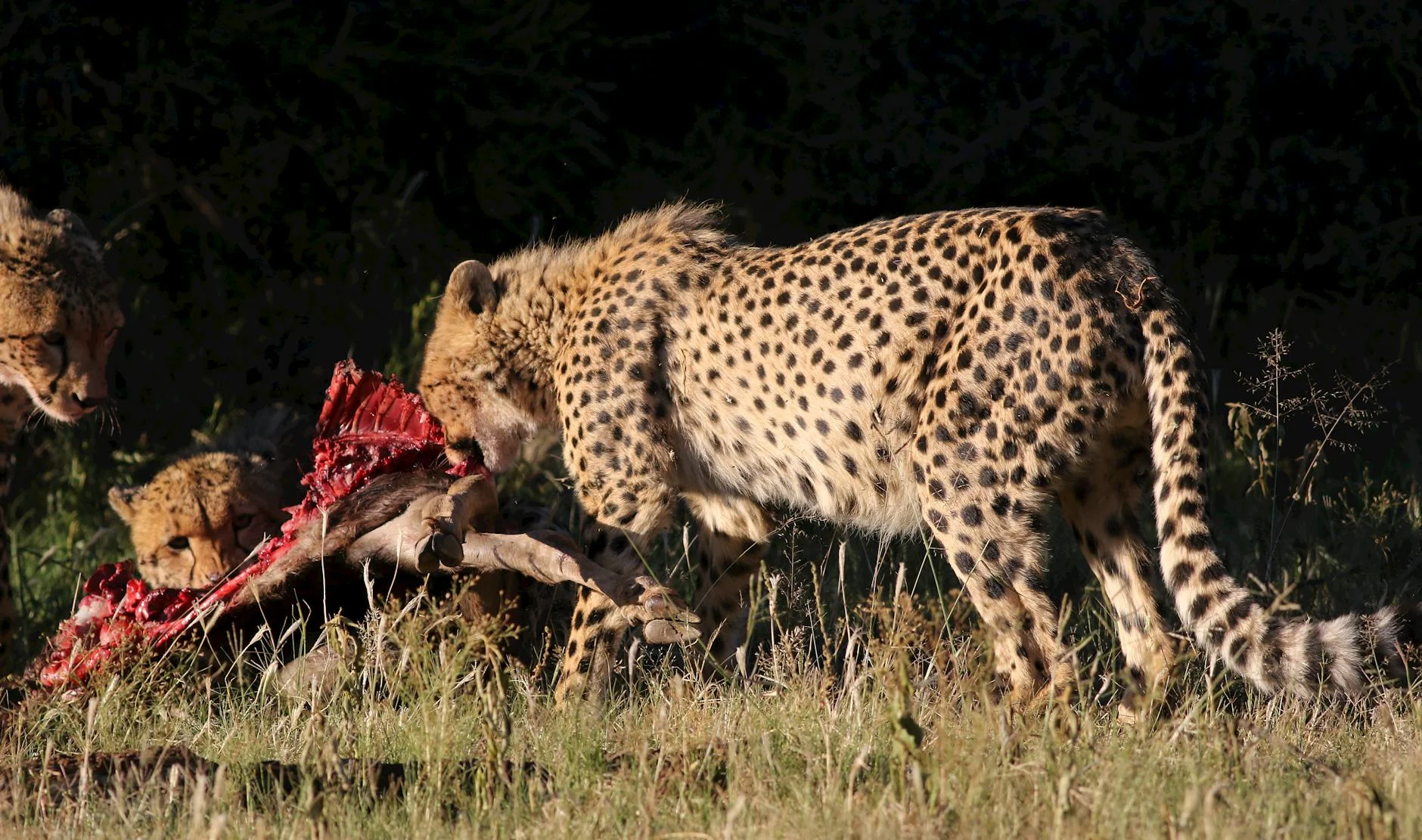
Cheetahs are diurnal hunters, most active during early morning and late afternoon when temperatures are cooler. They use their incredible speed to chase down prey, typically targeting medium-sized antelope. Understanding cheetah behaviour can help you spot these magnificent cats on safari and appreciate their unique adaptations.
Hunting Behaviour
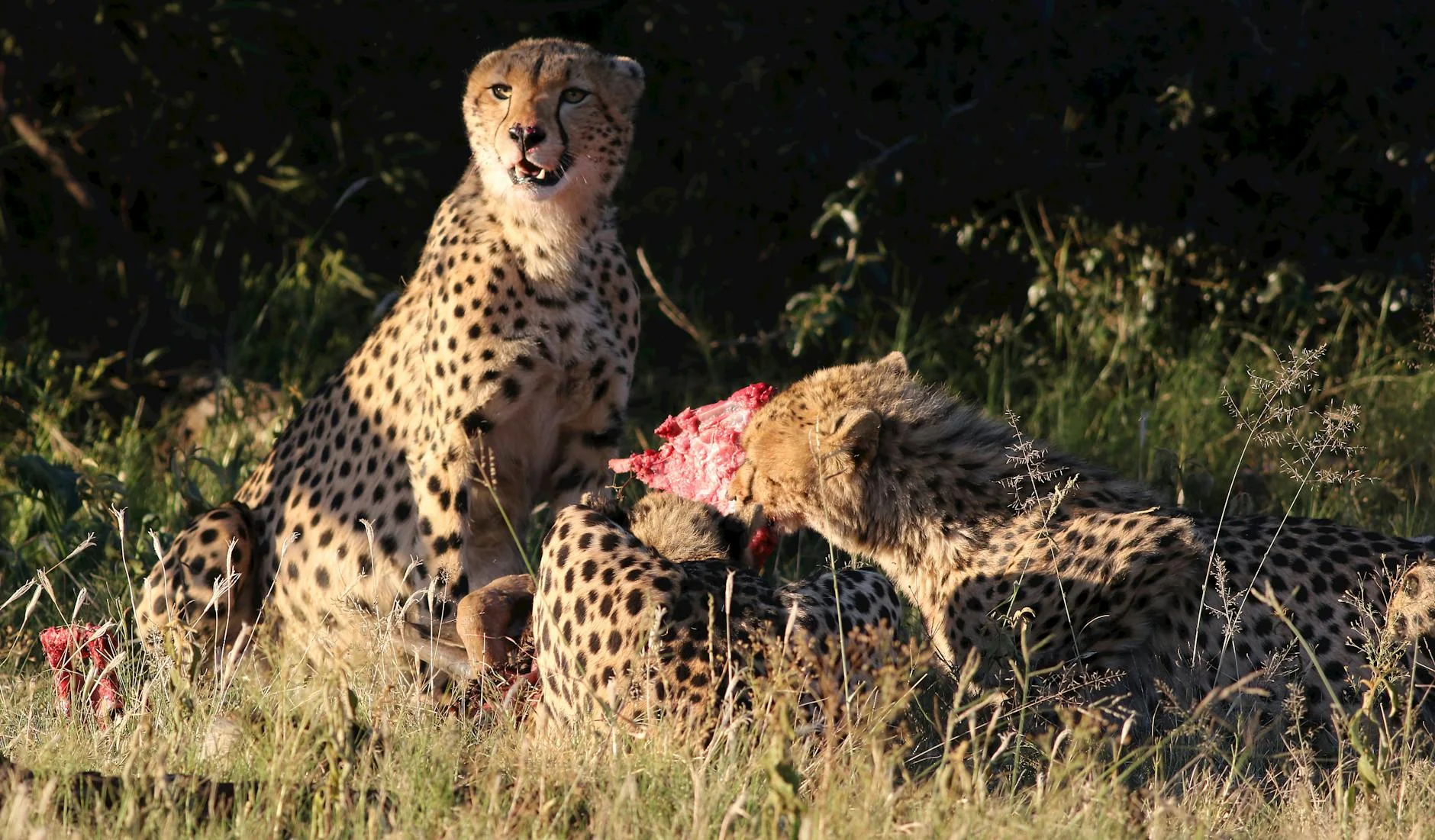
Cheetahs hunt by stalking to within 30-50 meters of their prey before launching a high-speed chase. They target young, old, or weak animals and use their speed to catch prey before it can escape. After a successful hunt, cheetahs must eat quickly, as they are often chased away by larger predators like lions and hyenas. They typically hunt every 2-5 days.
Social Structure
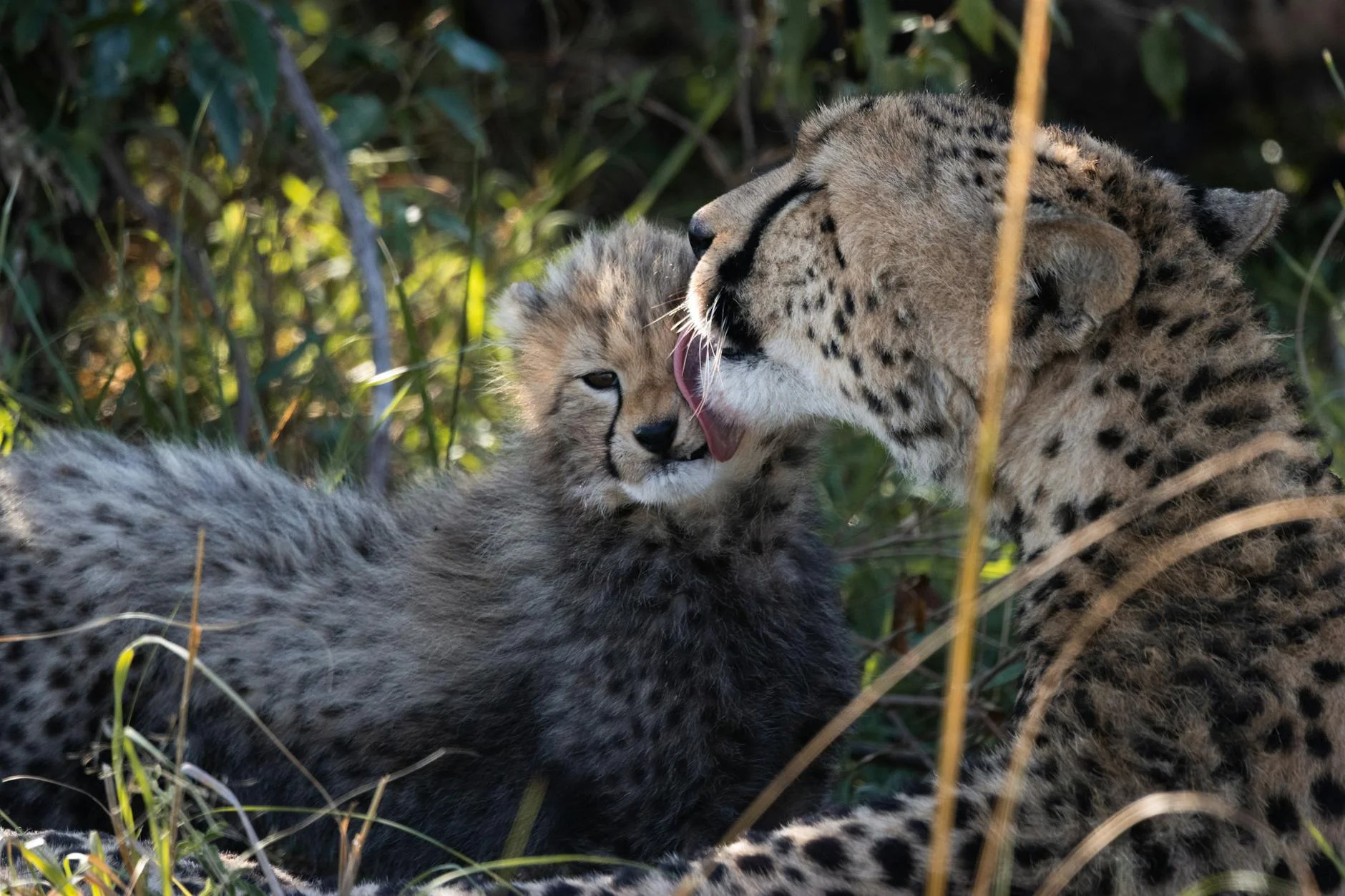
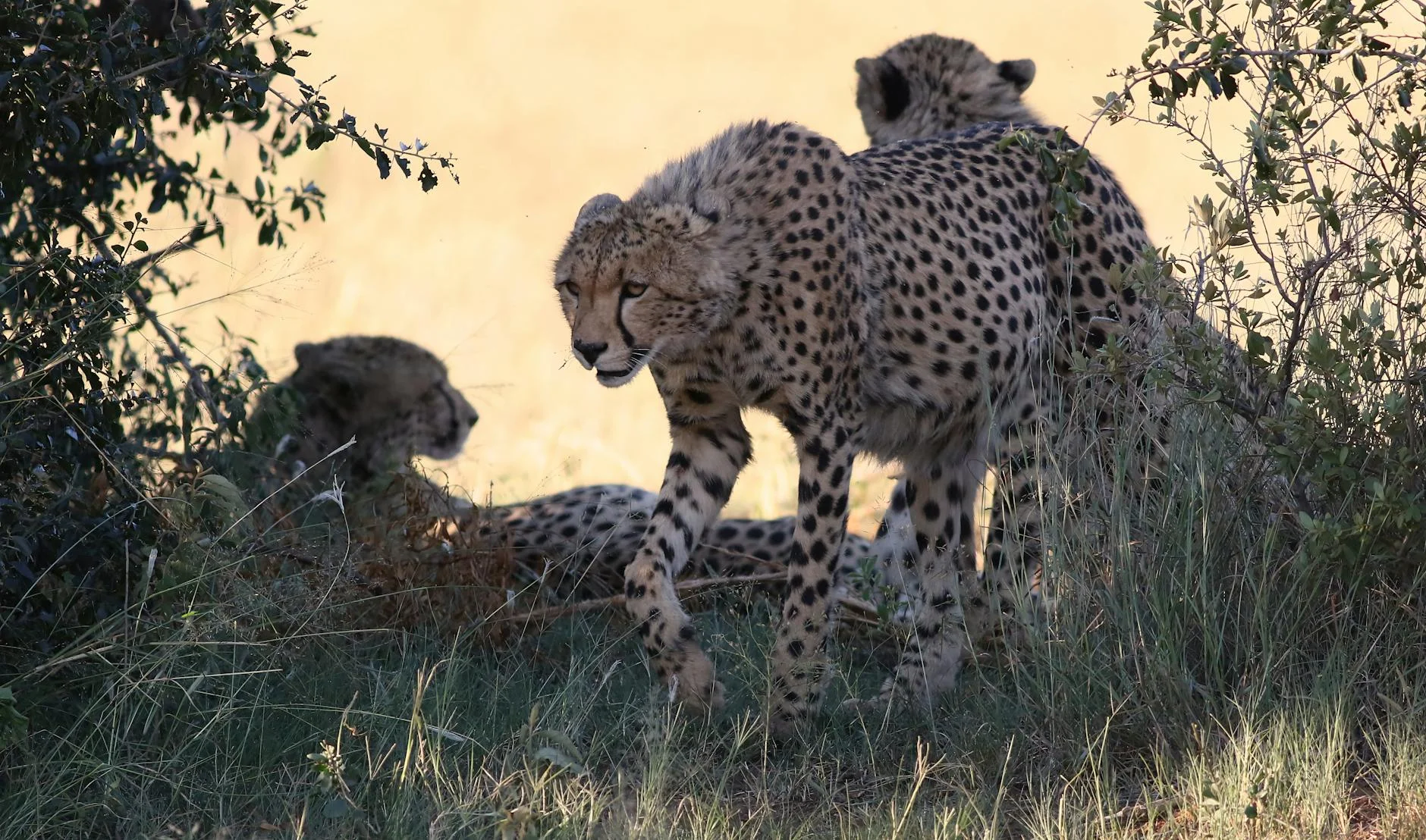
Female cheetahs are solitary, except when raising cubs. Males often form coalitions of 2-3 brothers, which helps them defend territories and access to females. Coalitions are more successful at hunting and defending kills. Cheetah cubs stay with their mothers for 18-24 months, learning essential hunting skills before becoming independent.
Vantage Points
Cheetahs often use elevated positions like termite mounds, fallen trees, or rocks to scan for prey. These vantage points provide excellent visibility across the open grasslands. On safari, always scan termite mounds and elevated positions, as cheetahs are frequently seen using these spots to survey their surroundings before hunting.
Best Places to See Cheetahs on Safari in Africa
Serengeti National Park, Tanzania
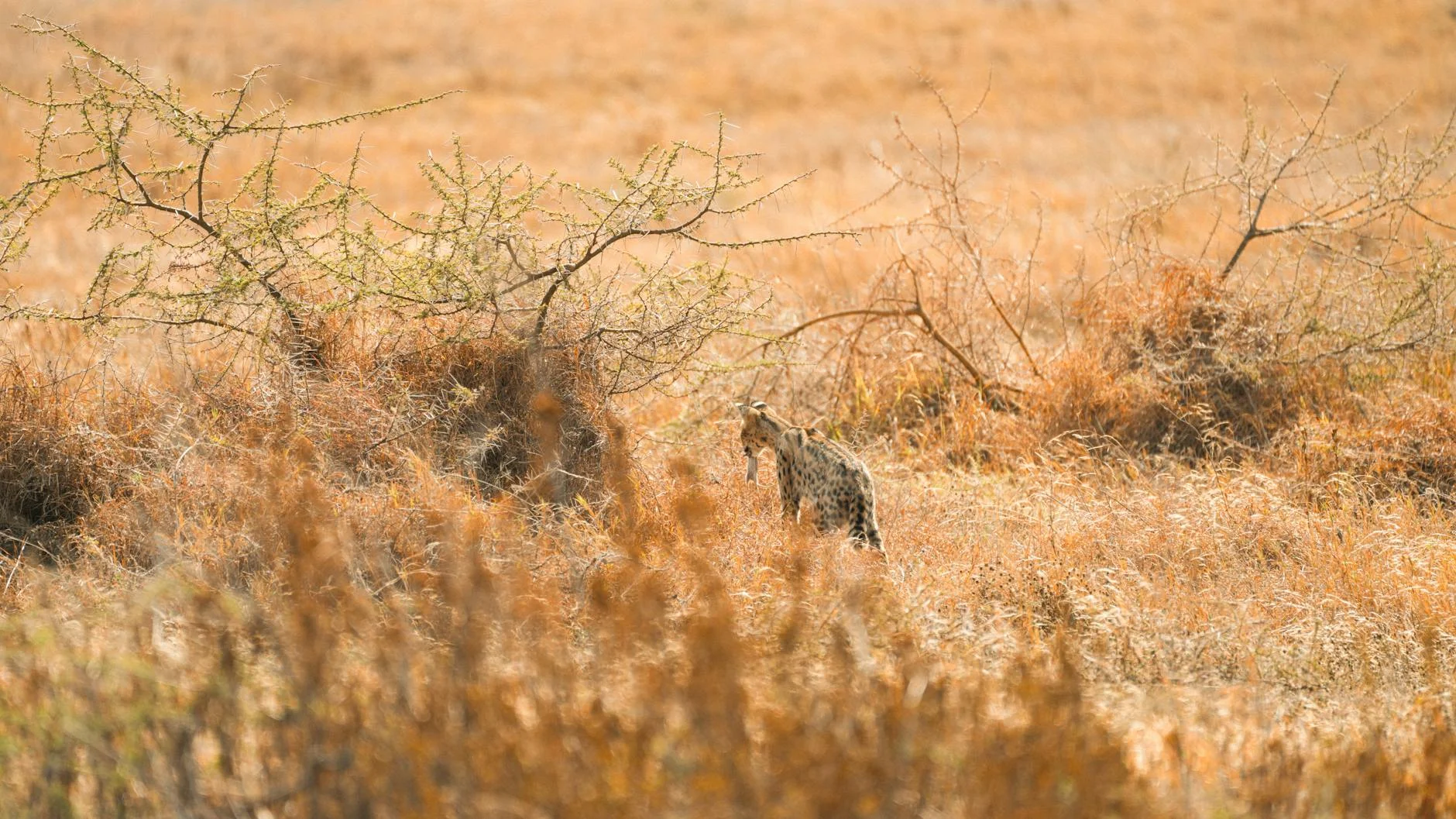
The Serengeti offers excellent cheetah viewing, with one of Africa's highest cheetah densities. The park's open grasslands provide ideal cheetah habitat, and cheetahs are well-habituated to vehicles, often visible during daylight hours. The central and eastern Serengeti are particularly good for cheetah sightings. Cheetahs are often seen on termite mounds or hunting in the open plains.
Learn more about the Serengeti →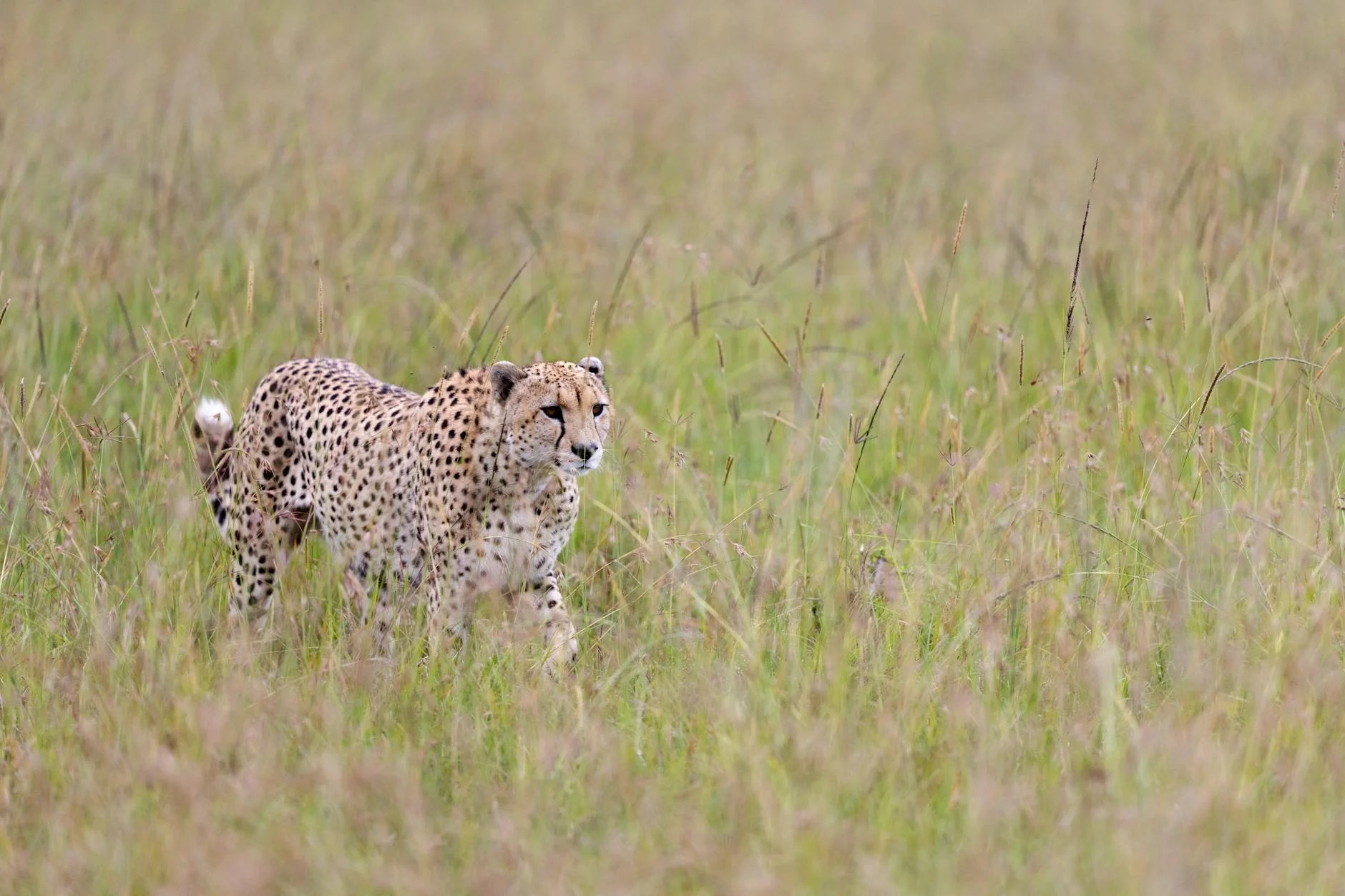
Masai Mara National Reserve, Kenya
The Masai Mara offers excellent cheetah viewing, with cheetahs that are well-habituated to vehicles. The open grasslands provide ideal hunting grounds, and cheetahs are often seen on termite mounds or hunting. The reserve's high wildlife density and open terrain make cheetah sightings frequent, especially during early morning and late afternoon game drives.
Learn more about the Masai Mara →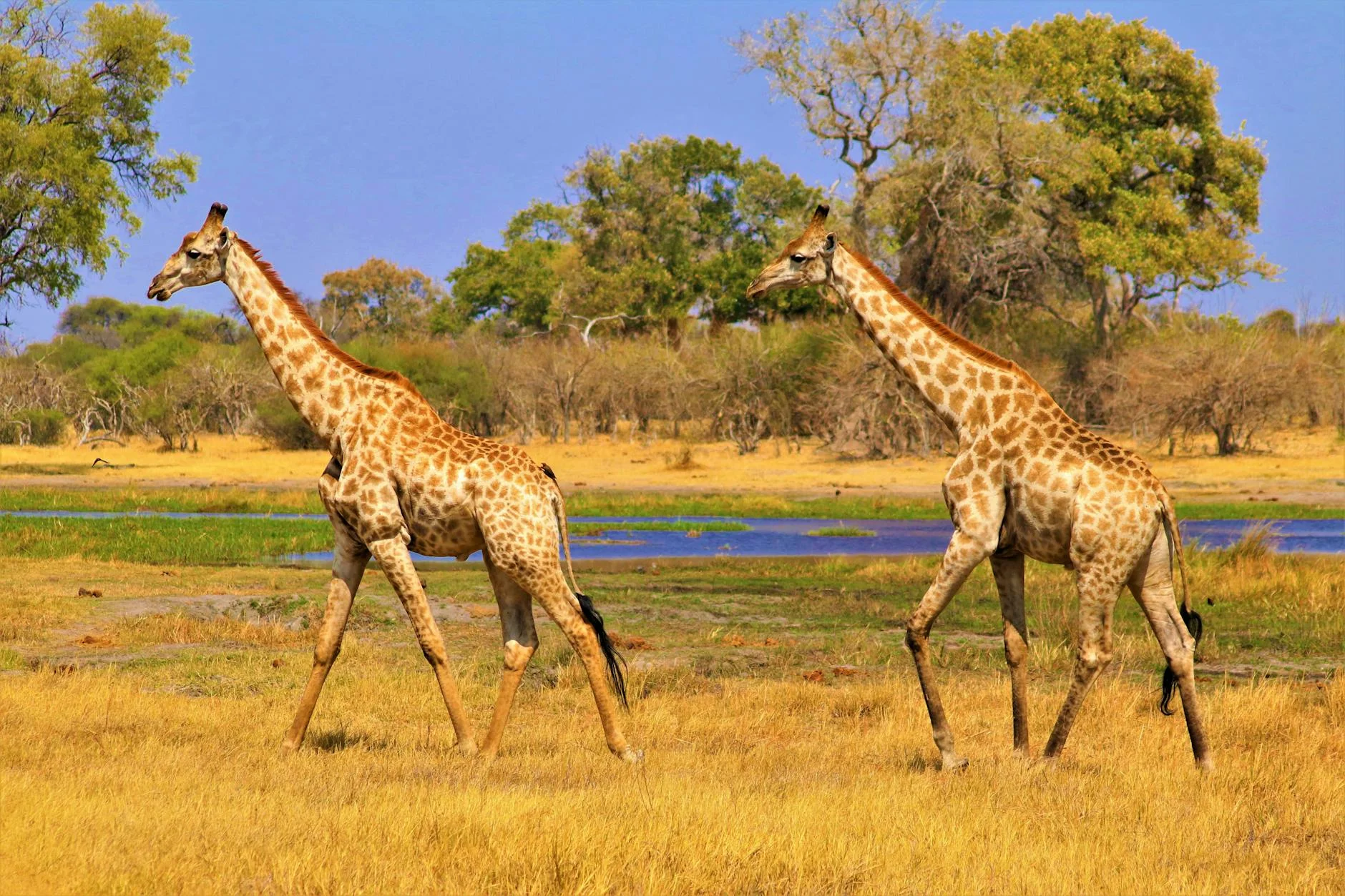
Okavango Delta, Botswana
The Okavango Delta's open floodplains and grasslands provide good cheetah habitat. Cheetahs in the delta are often seen on the edges of the floodplains, where they can use their speed to hunt. The Moremi Game Reserve within the delta is particularly good for cheetah viewing. The dry season (May-October) is best for viewing as animals concentrate around permanent water sources.
Learn more about the Okavango Delta →Best Time to See Cheetahs on Safari – Viewing Guide
Cheetahs can be seen year-round in areas with good populations, but certain times offer better viewing opportunities. Understanding cheetah behaviour and optimal viewing times can significantly increase your chances of a sighting.
Time of Day
Cheetahs are diurnal, most active during early morning (6-9am) and late afternoon (4-7pm) when temperatures are cooler. Early morning and late afternoon game drives offer the best chances of seeing cheetahs active, hunting, or moving. Cheetahs may rest in the shade during the heat of the day but are still visible, especially on termite mounds or other elevated positions.
Seasonal Viewing
Cheetahs can be seen year-round, but the dry season (May-October) often offers better viewing as sparse vegetation improves visibility and animals concentrate around water sources. However, cheetahs are less dependent on water than other animals, so seasonal differences are less pronounced. The key is choosing a destination with good cheetah populations and open grasslands.
Viewing Tips
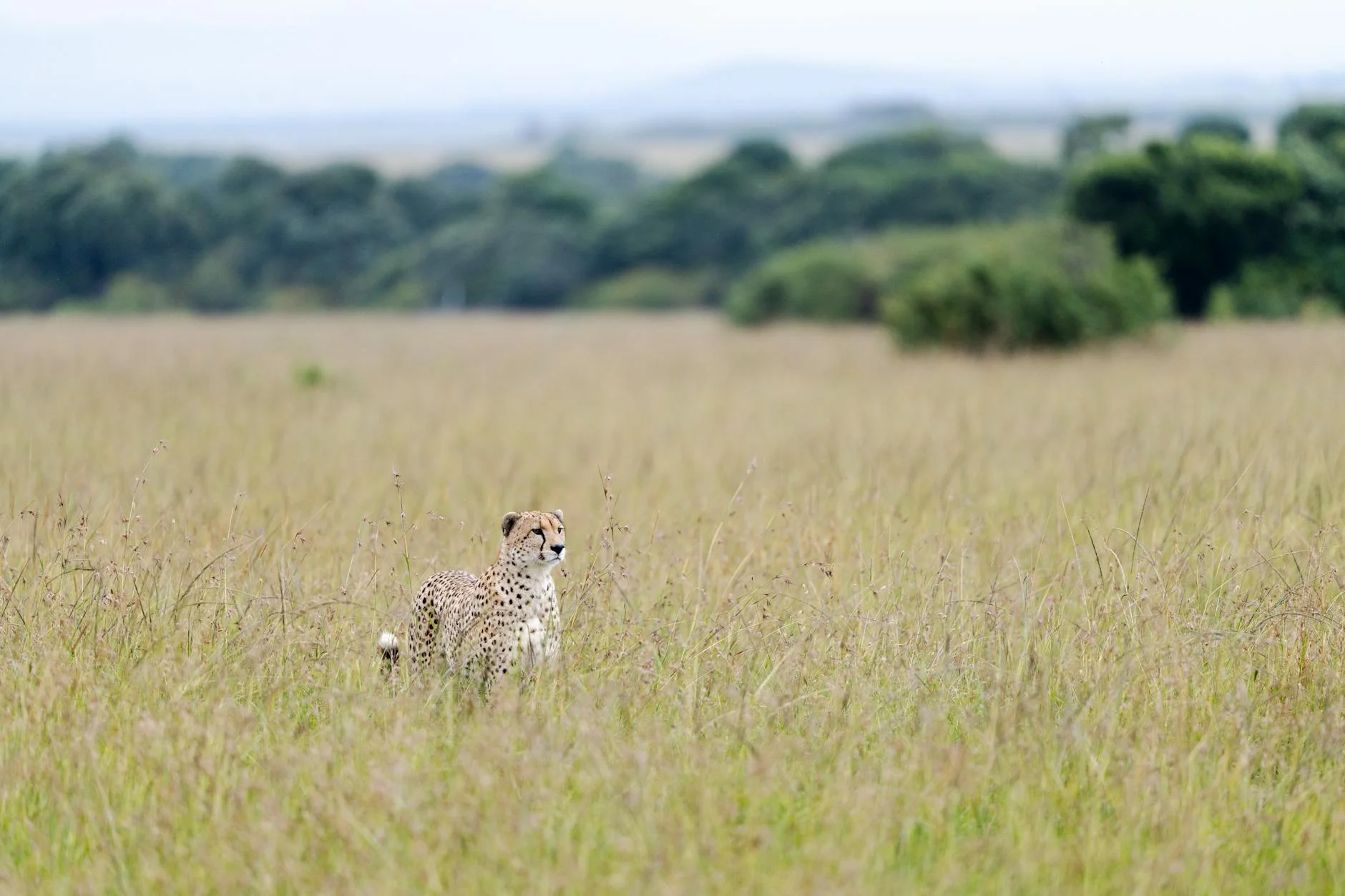
Always scan termite mounds and elevated positions, as cheetahs frequently use these to survey their surroundings. Look for cheetahs on the open grasslands, especially during early morning and late afternoon. Listen for alarm calls from other animals, which may indicate a cheetah is nearby. Be patient - cheetahs are active during the day, making them more visible than nocturnal cats, but sightings still require time and persistence.
Cheetah Conservation Status – Critical Protection Efforts
Conservation Status
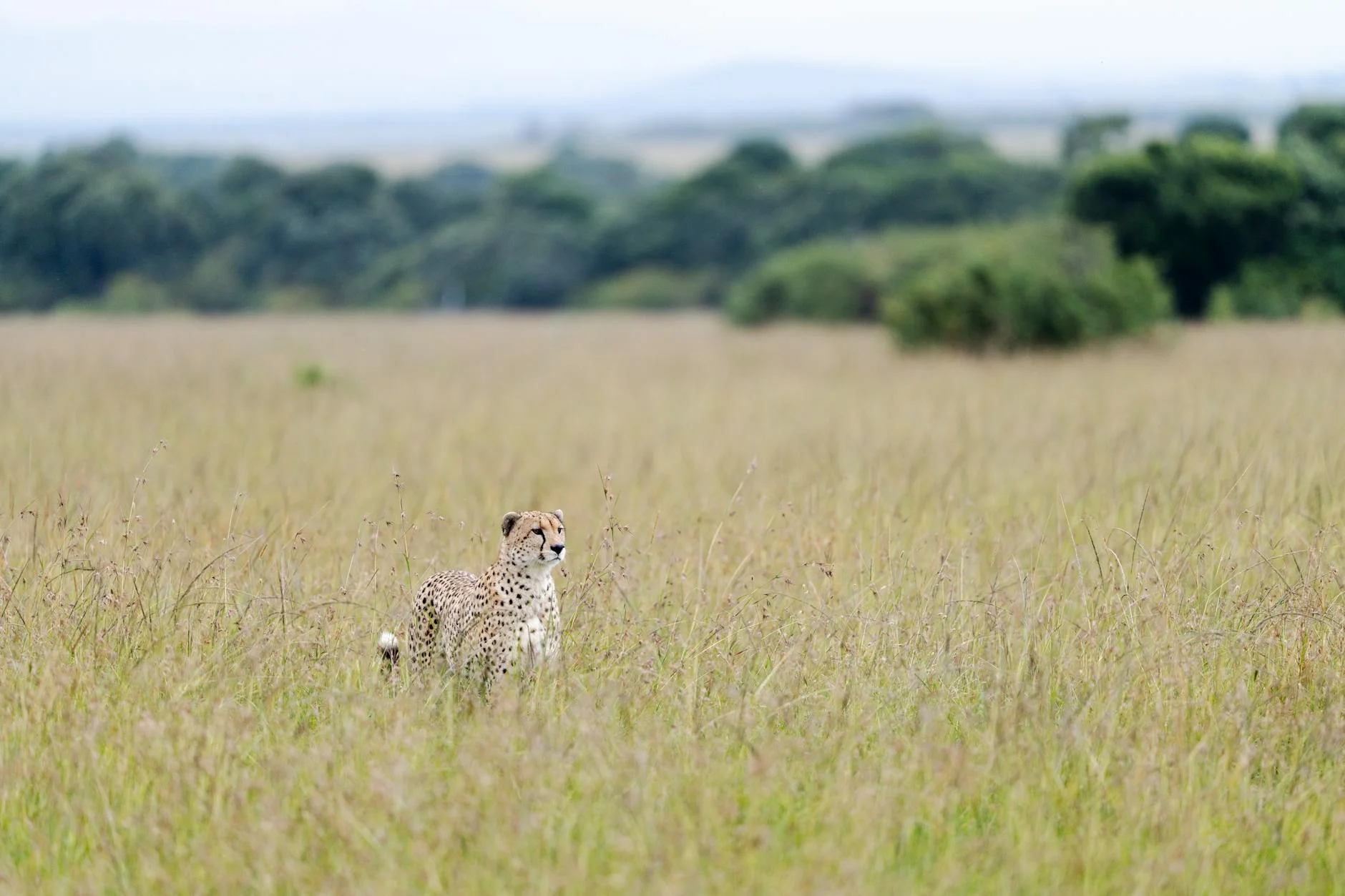
Cheetahs are classified as "Vulnerable" on the IUCN Red List, with only approximately 6,500-7,000 individuals remaining in Africa. Cheetah populations have declined significantly due to habitat loss, human-wildlife conflict, and reduced prey populations. Cheetahs need large territories and are particularly vulnerable outside protected areas.
Threats and Protection
Major Threats: Habitat loss and fragmentation, human-wildlife conflict (especially livestock predation), reduced prey populations, and competition with larger predators. Cheetahs are also vulnerable to disease and have low genetic diversity.
Conservation Efforts: Protected areas provide crucial habitat for cheetahs. Tourism plays an important role by providing economic incentives for conservation. Responsible safari tourism funds anti-poaching efforts, habitat protection, and community-based conservation programs that help reduce human-cheetah conflict.
Seeing a cheetah in the wild is a special experience that supports conservation efforts. When choosing a safari operator, look for those that support cheetah conservation and work with local communities to reduce human-wildlife conflict. Your visit helps fund the protection of these magnificent cats and their habitats, which is critical for their survival.