Cape Buffalo on Safari – Where to See Buffalo in Africa
The Cape buffalo (Syncerus caffer) is one of Africa's Big Five and is considered one of the continent's most dangerous animals. These powerful, unpredictable bovines are found across sub-Saharan Africa and are a common sight on safari. Despite their reputation, buffalo are fascinating animals with complex social structures and strong herd bonds.
Cape buffalo are widespread and common in most major safari destinations, making them one of the easier Big Five animals to spot. They live in large herds and are most active during early morning and late afternoon. Understanding buffalo behaviour, the best places to see buffalo, and safety considerations can enhance your safari experience.
About Cape Buffalo on Safari – Physical Characteristics and Identification
Physical Characteristics
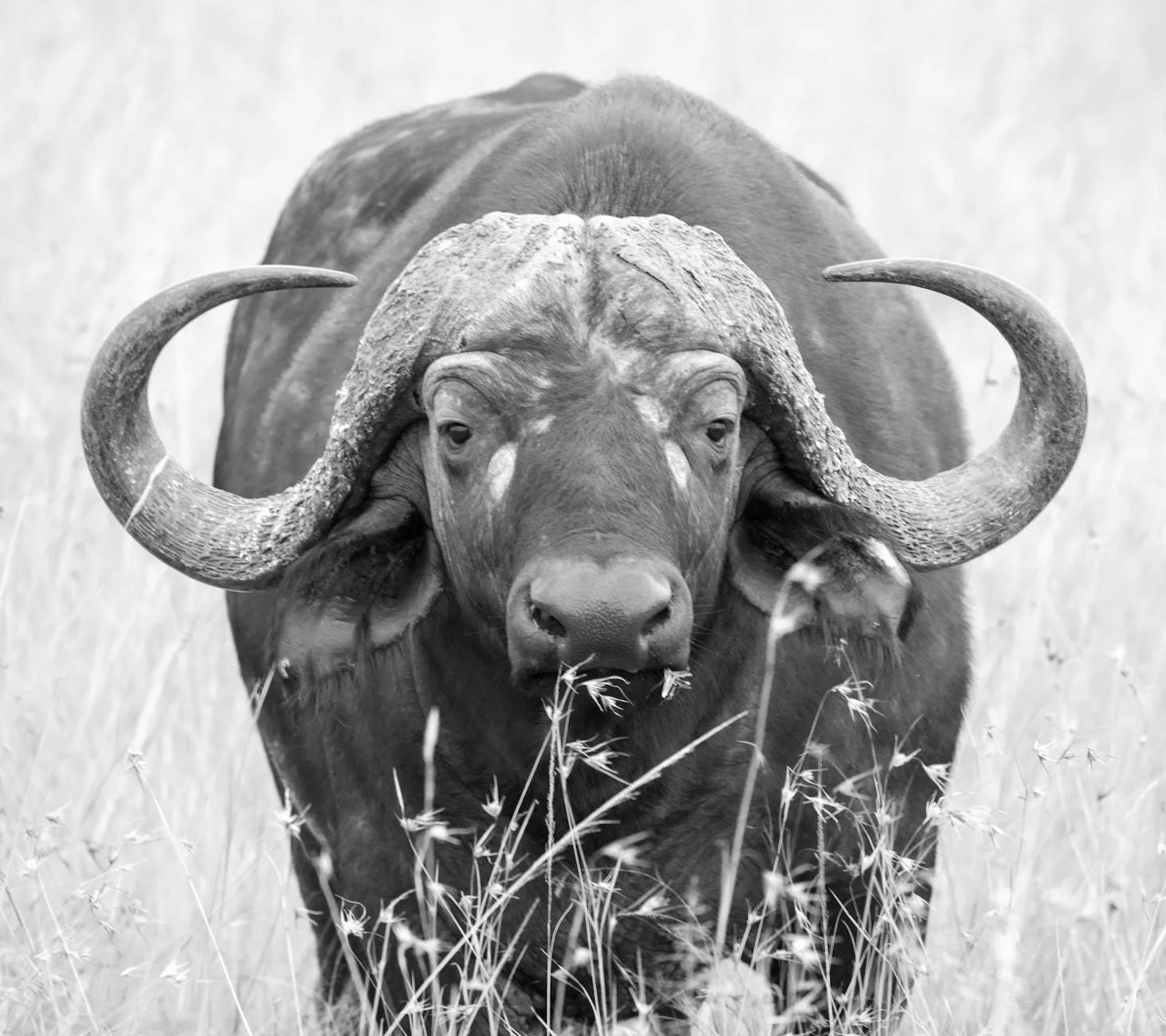
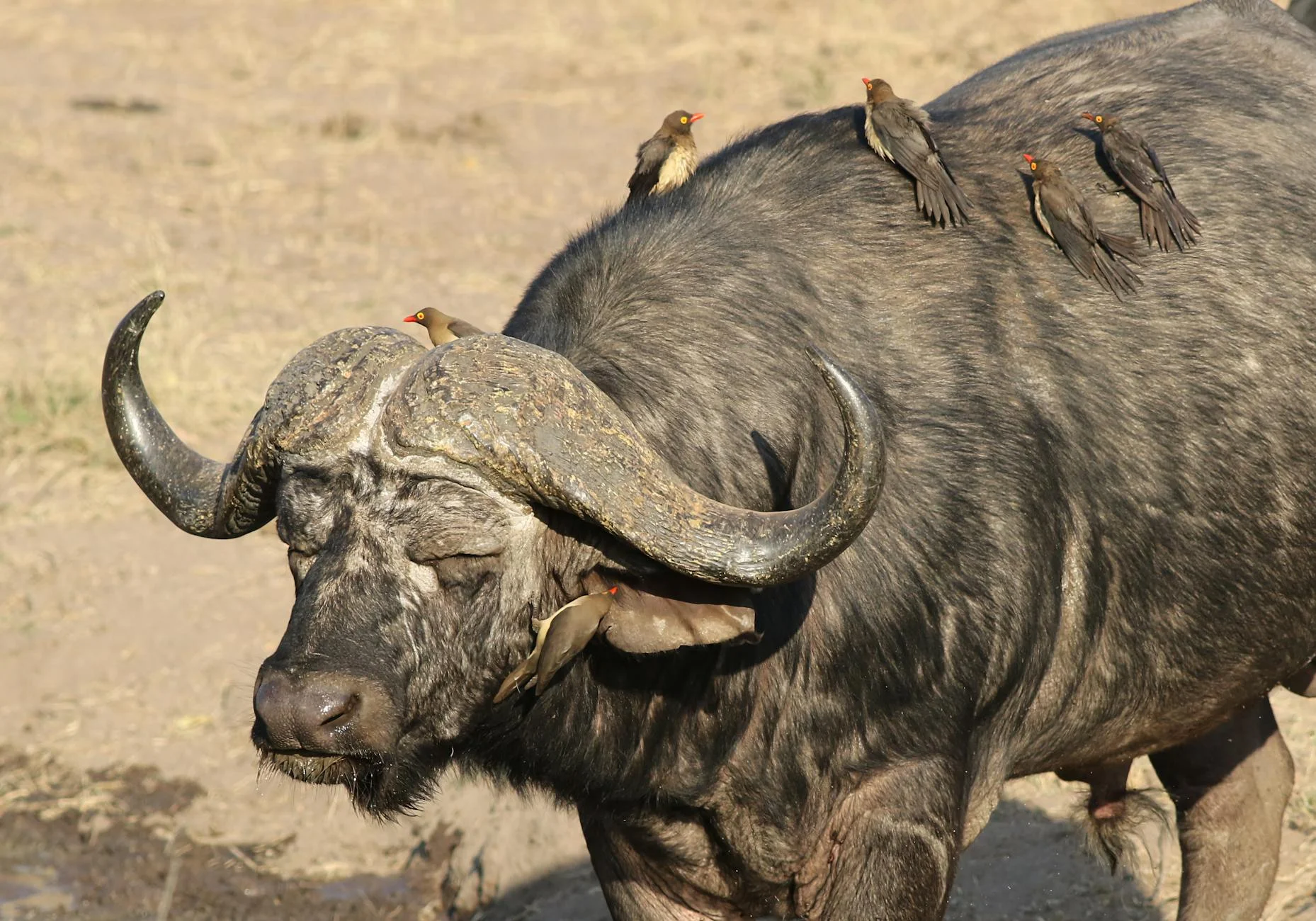
Cape buffalo are large, powerful animals, with males weighing 500-900kg (1,100-2,000lbs) and standing up to 1.7 meters (5.5 feet) tall. They have distinctive curved horns that meet in the middle to form a "boss" - a solid shield of bone. Their dark brown to black coats are thick and provide protection. Buffalo have excellent hearing and sense of smell, though their eyesight is relatively poor.
Herd Structure
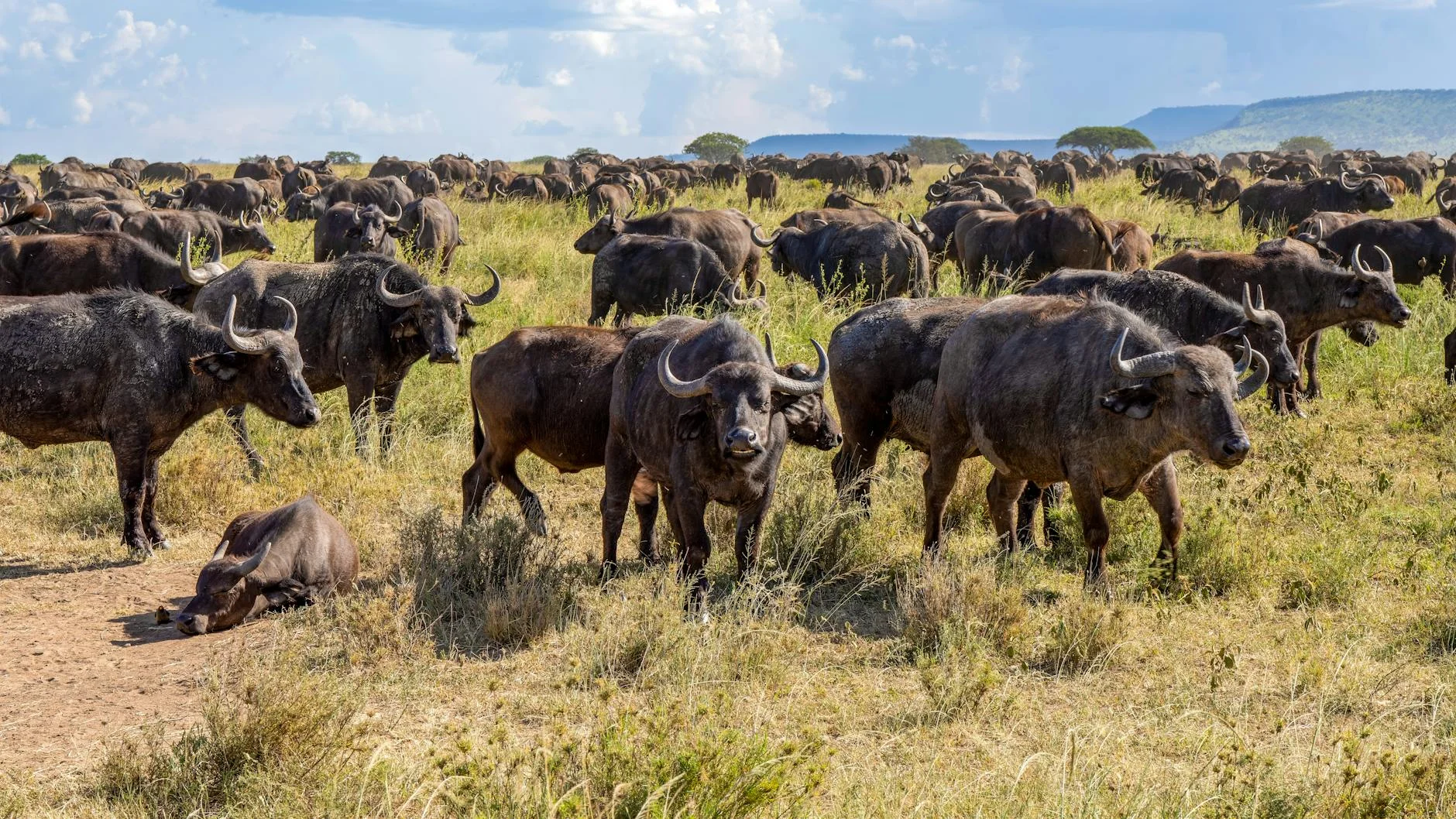
Cape buffalo live in large herds led by dominant females. Herds typically number 200-500 animals, though they can be much larger. The herd structure provides protection from predators, with members coming to each other's aid when threatened. Older males often form bachelor groups or live alone, especially during the dry season when resources are scarce.
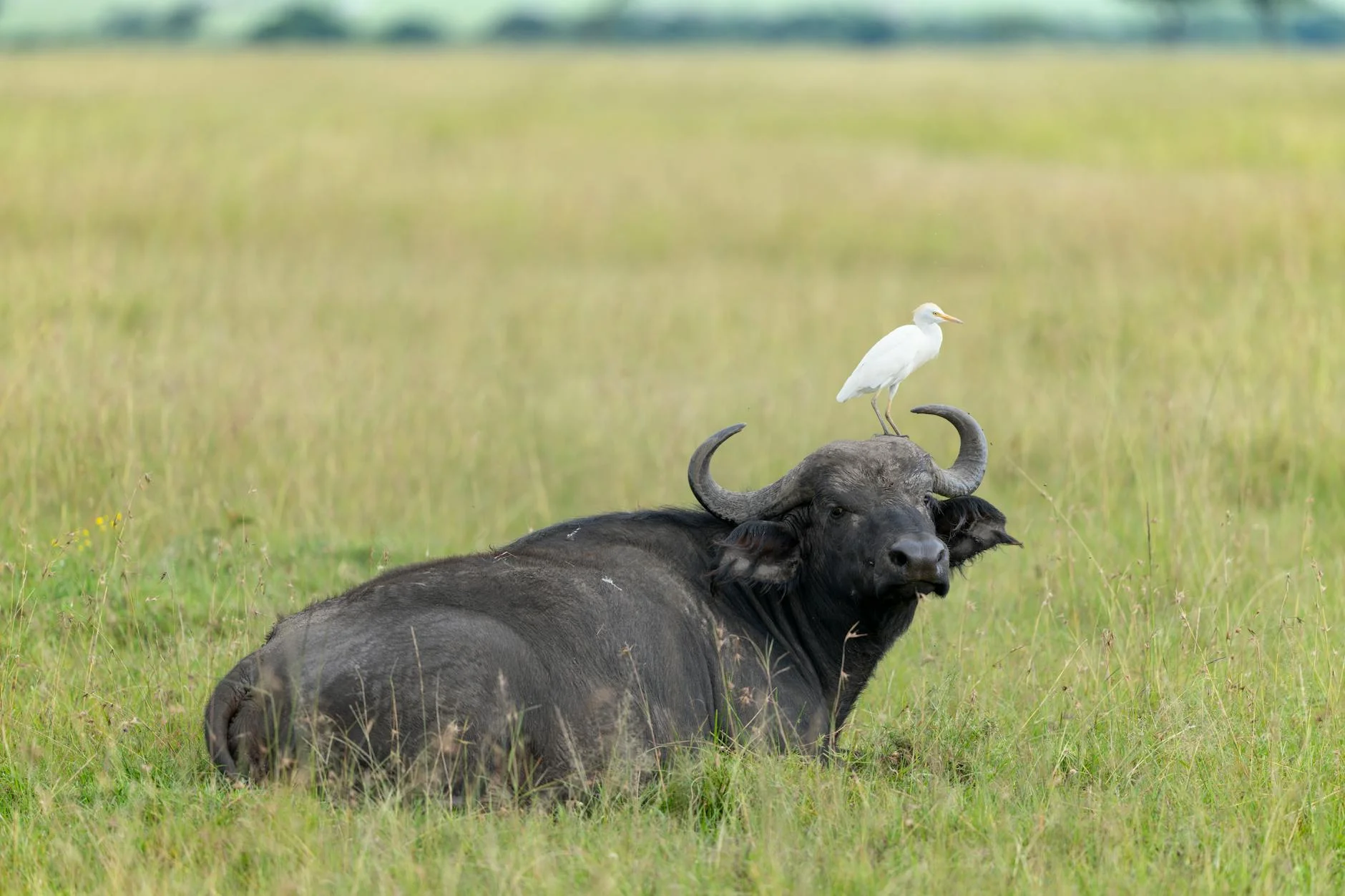
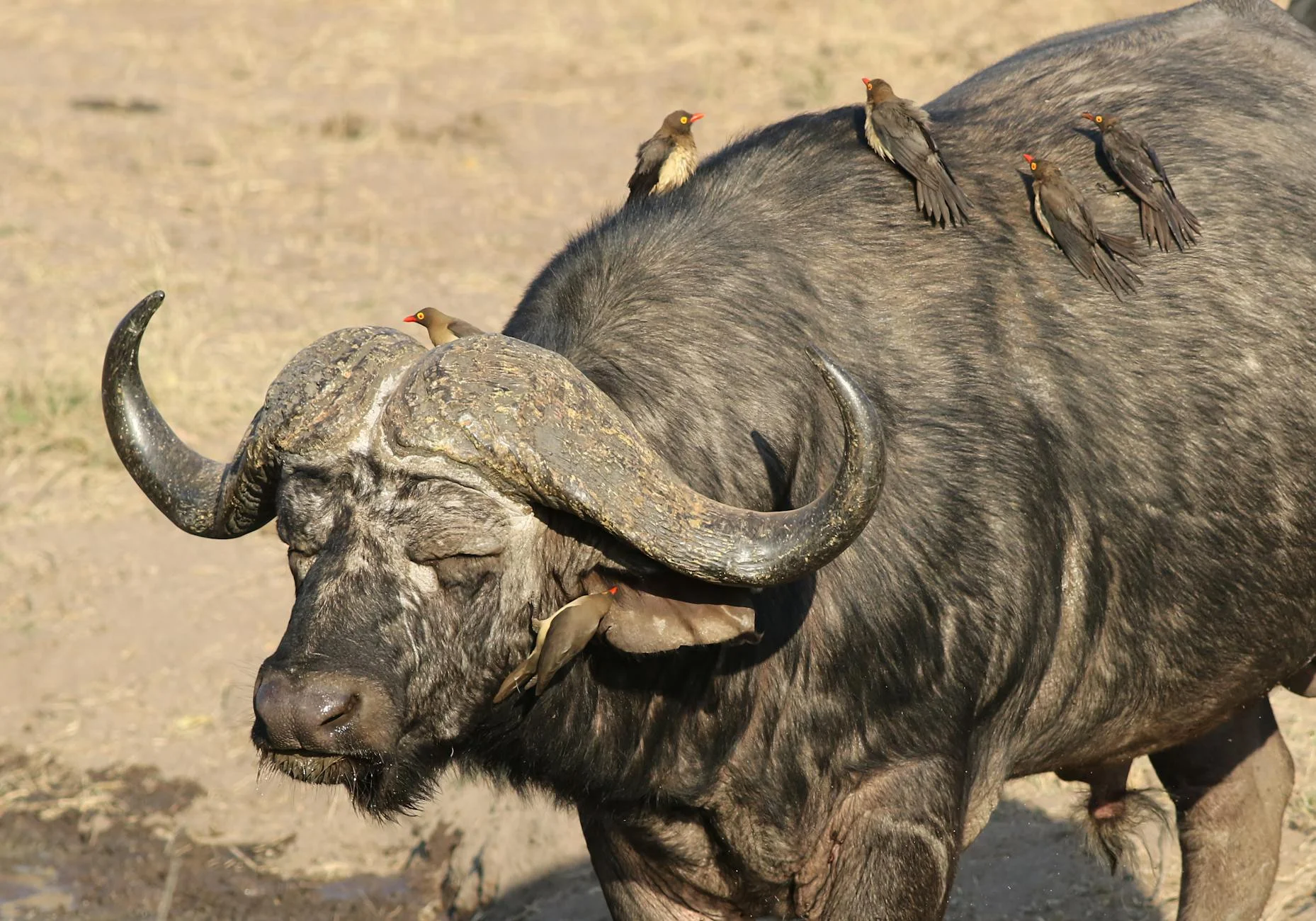
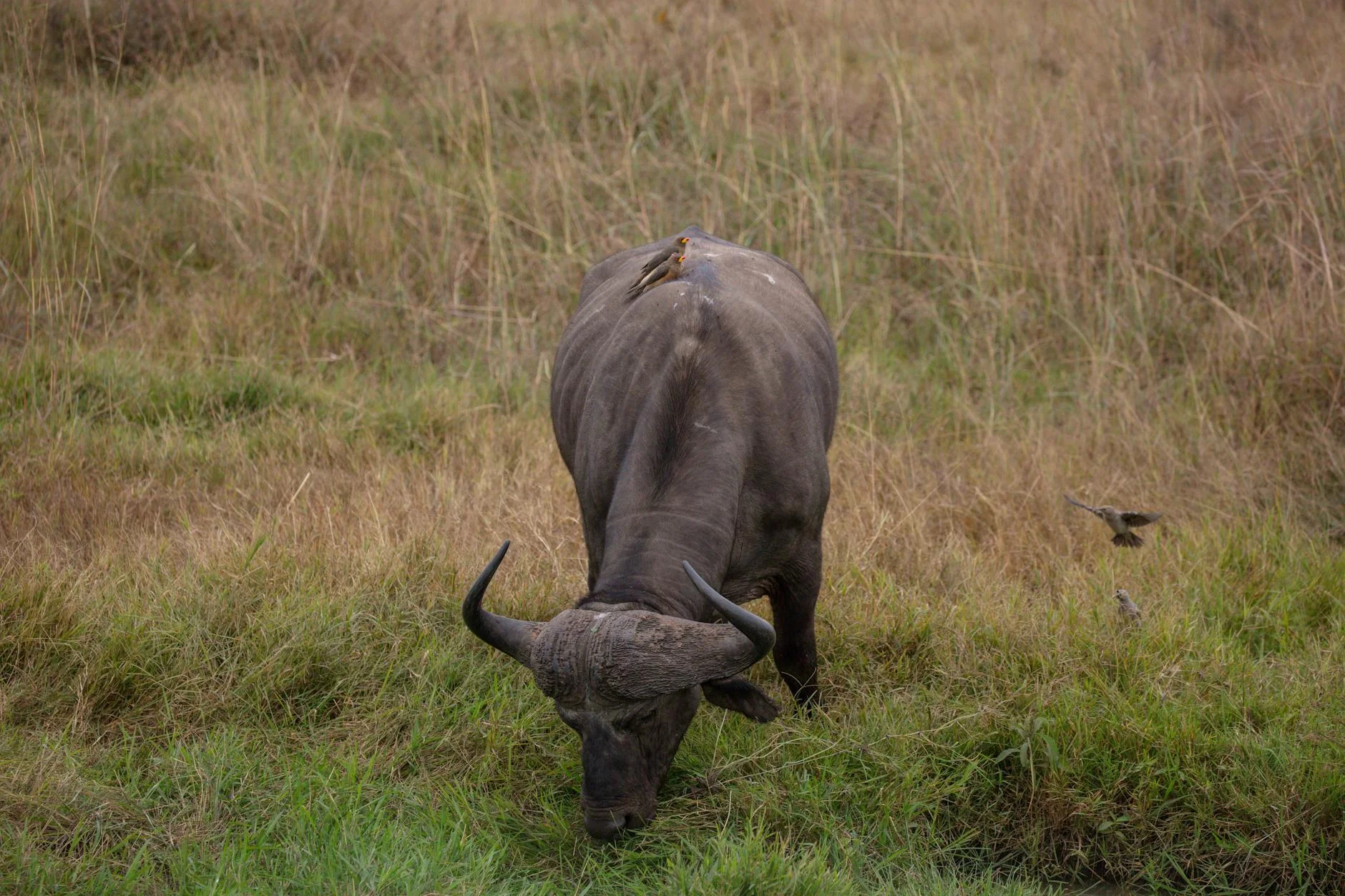
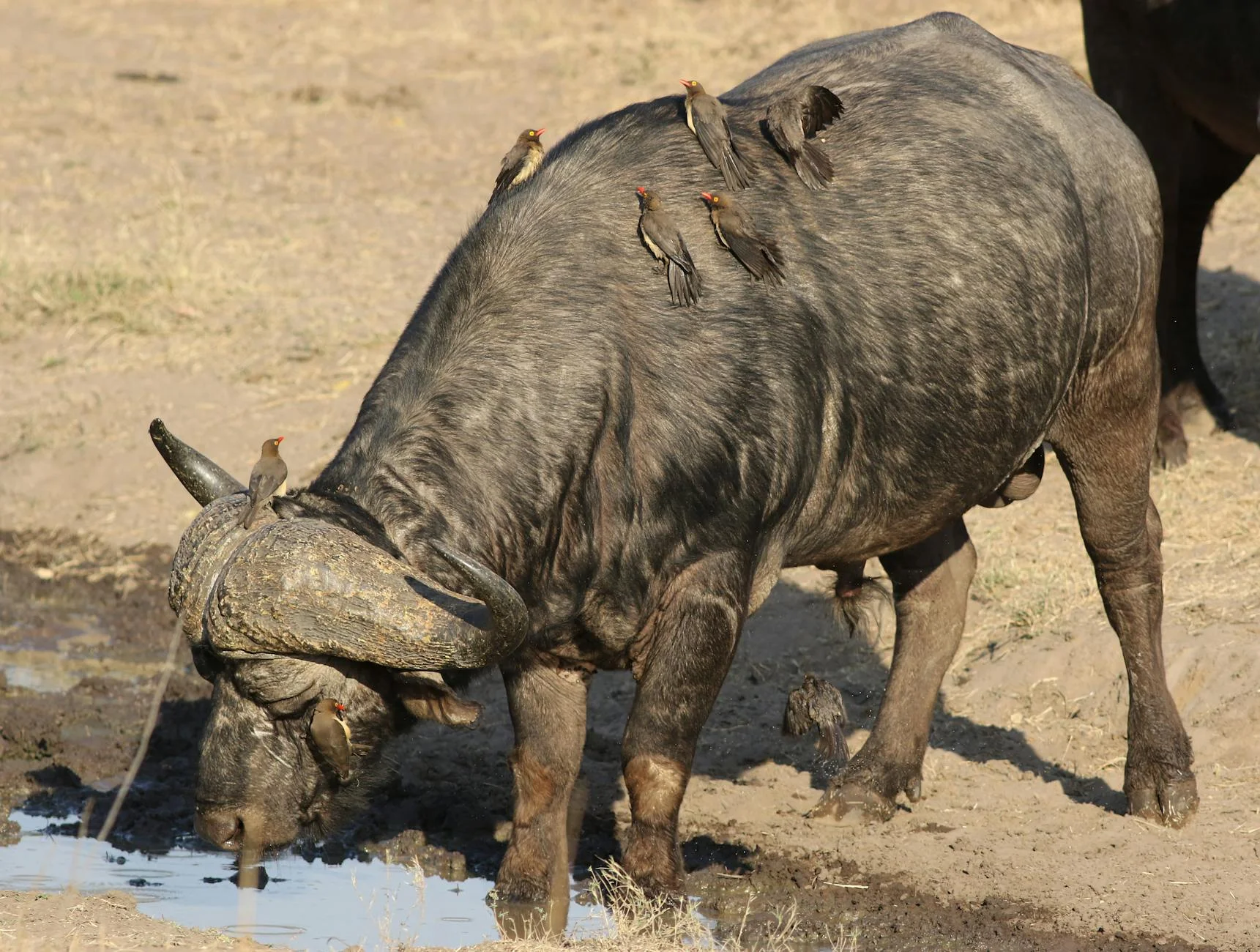
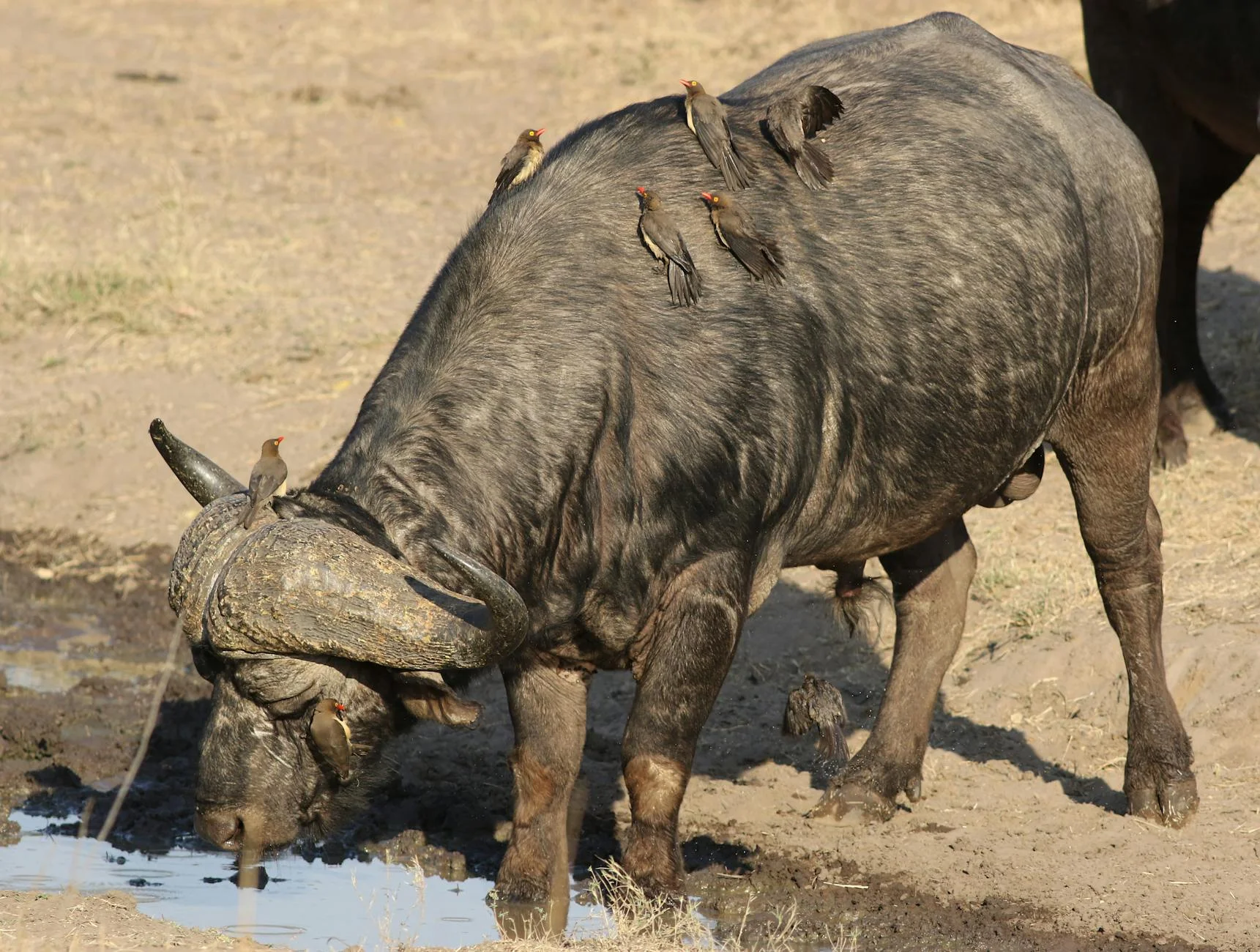
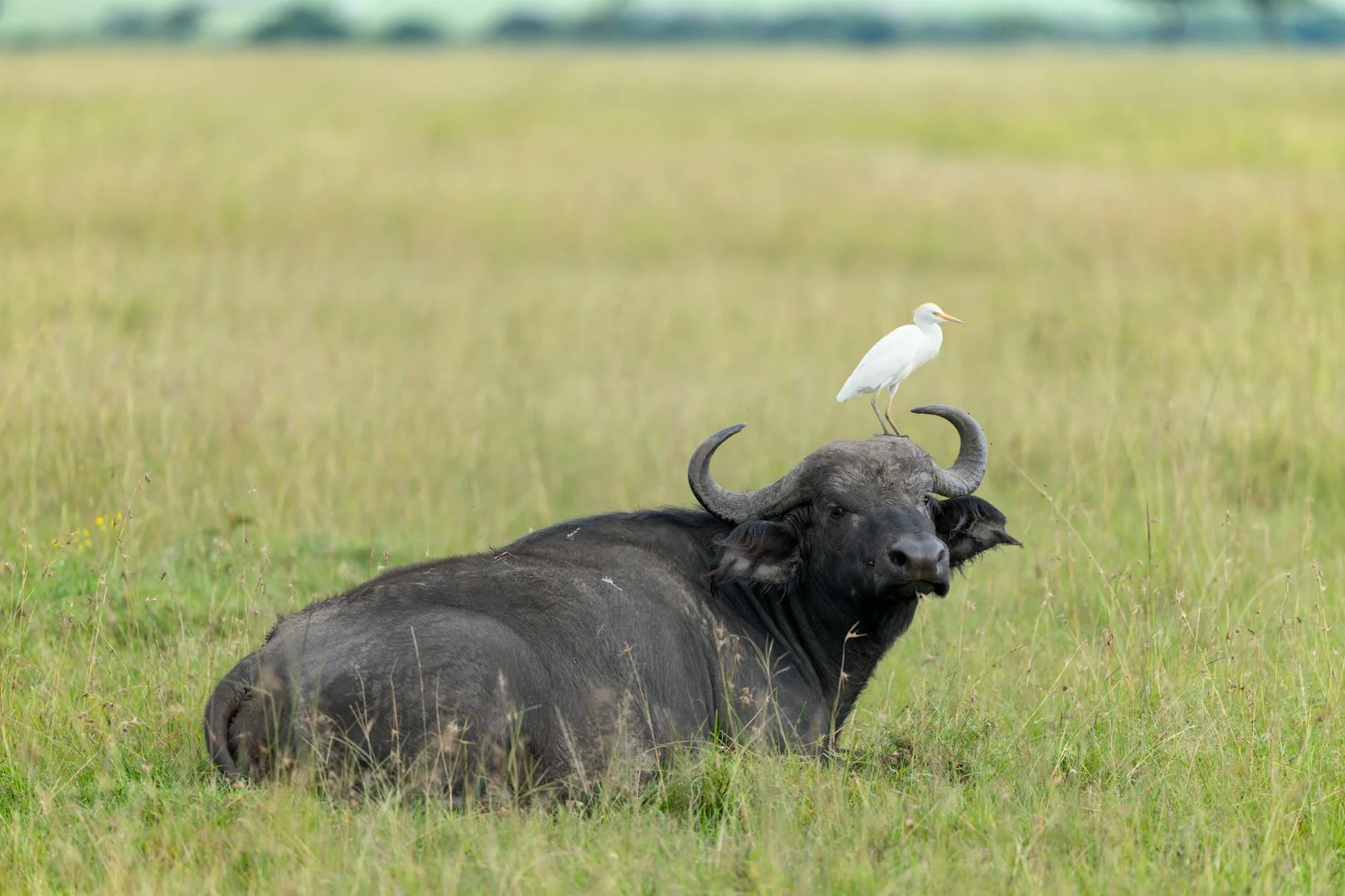
Buffalo are easily identified by their large size, dark colour, and distinctive horns. The horns are used for defence and in dominance displays. Buffalo have a symbiotic relationship with oxpeckers (birds) that feed on ticks and other parasites, often seen riding on buffalo backs. On safari, buffalo are often seen grazing in open grasslands or gathered at waterholes, especially during the dry season.
Buffalo Behaviour on Safari – Understanding These Powerful Animals
Cape buffalo are social animals with complex behaviours and strong herd bonds. They are known for their defensive nature and will aggressively protect herd members. Understanding buffalo behaviour can help you appreciate these powerful animals and stay safe while observing them on safari.
Defensive Behaviour
Buffalo are known for their strong defensive behaviour and will come to the aid of threatened herd members. They form defensive formations, with adults surrounding calves. Buffalo are unpredictable and can charge without warning, especially if they feel cornered or if their herd is disturbed. Lone bulls are particularly dangerous and should be given wide berth.
Feeding Behaviour
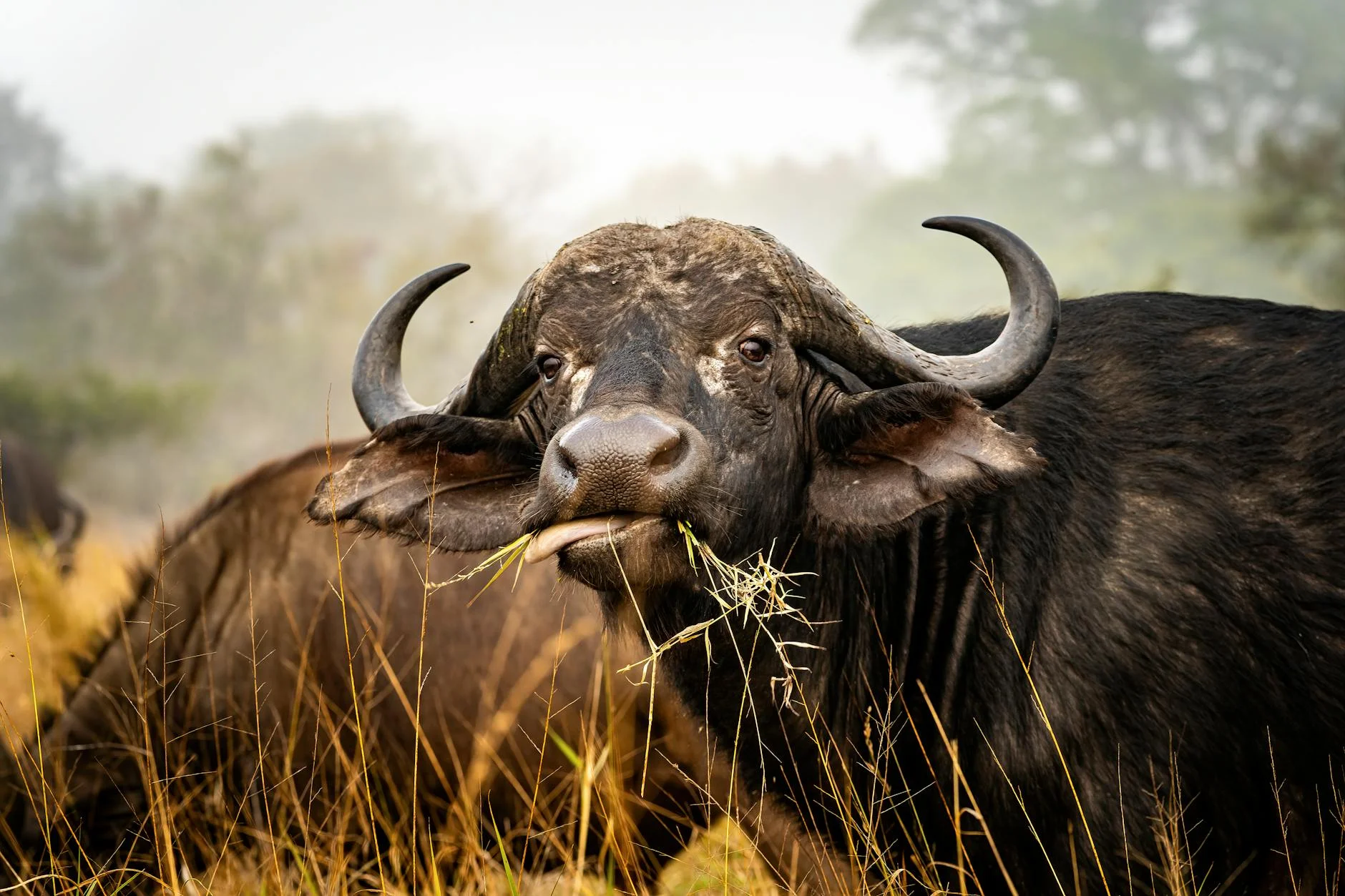
Buffalo are grazers, feeding primarily on grass. They spend much of their day grazing and need to drink water daily. Buffalo are most active during early morning and late afternoon when temperatures are cooler. During the heat of the day, they often rest in the shade or wallow in mud to cool down.
Water and Wallowing
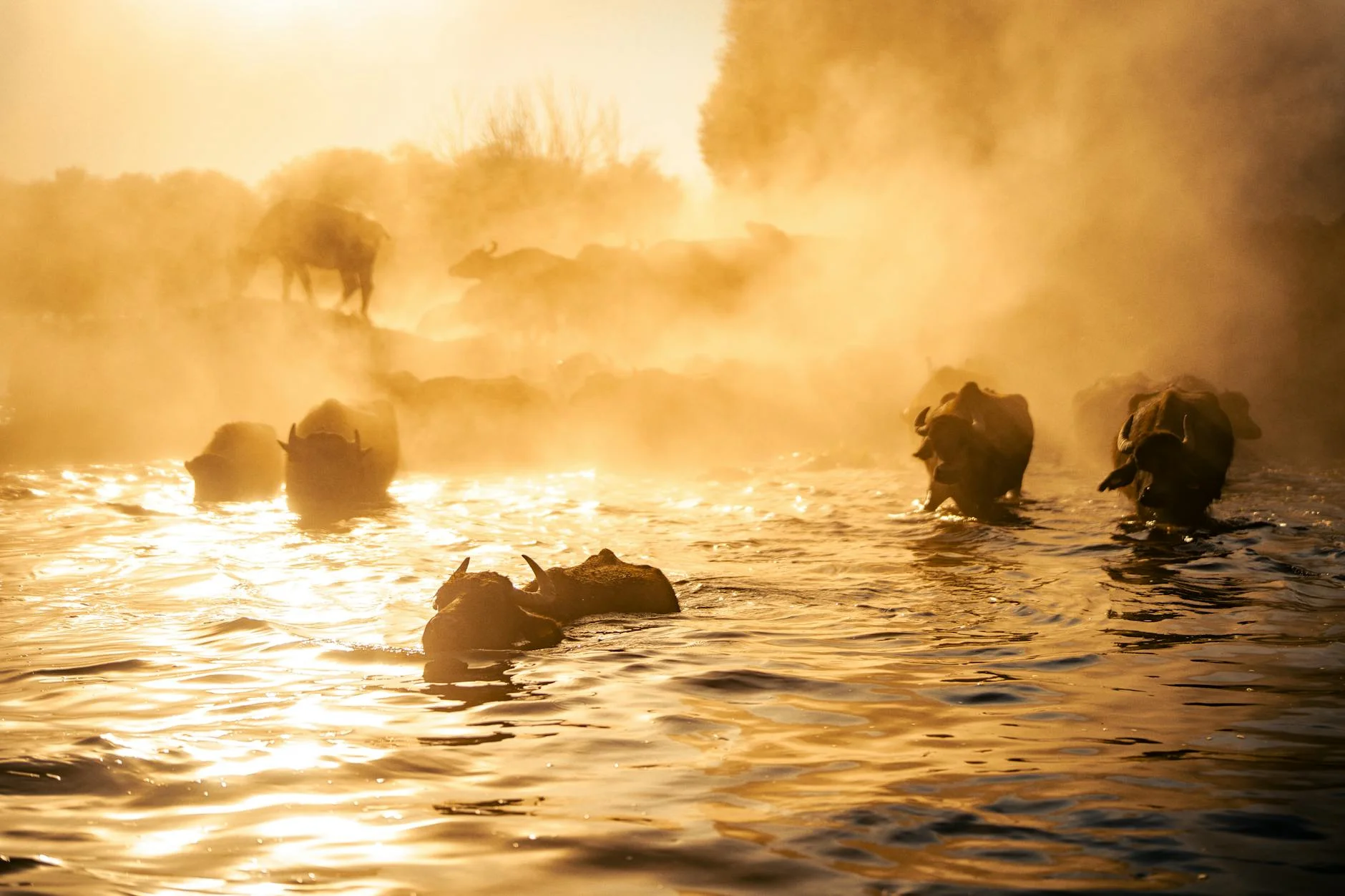
Buffalo need to drink water daily and are often seen at waterholes, especially during the dry season. They also enjoy wallowing in mud, which helps cool them down and protects their skin from insects. Large herds gathering at waterholes create spectacular viewing opportunities, with hundreds of buffalo coming to drink and wallow.
Best Places to See Buffalo on Safari in Africa
Kruger National Park, South Africa
Kruger National Park has a healthy buffalo population, and sightings are frequent throughout the park. Buffalo are found in various habitats, from open savannahs to woodlands. The park's excellent road network and high wildlife density mean buffalo sightings are common. Large herds are often seen at waterholes, especially during the dry season.
Learn more about Kruger →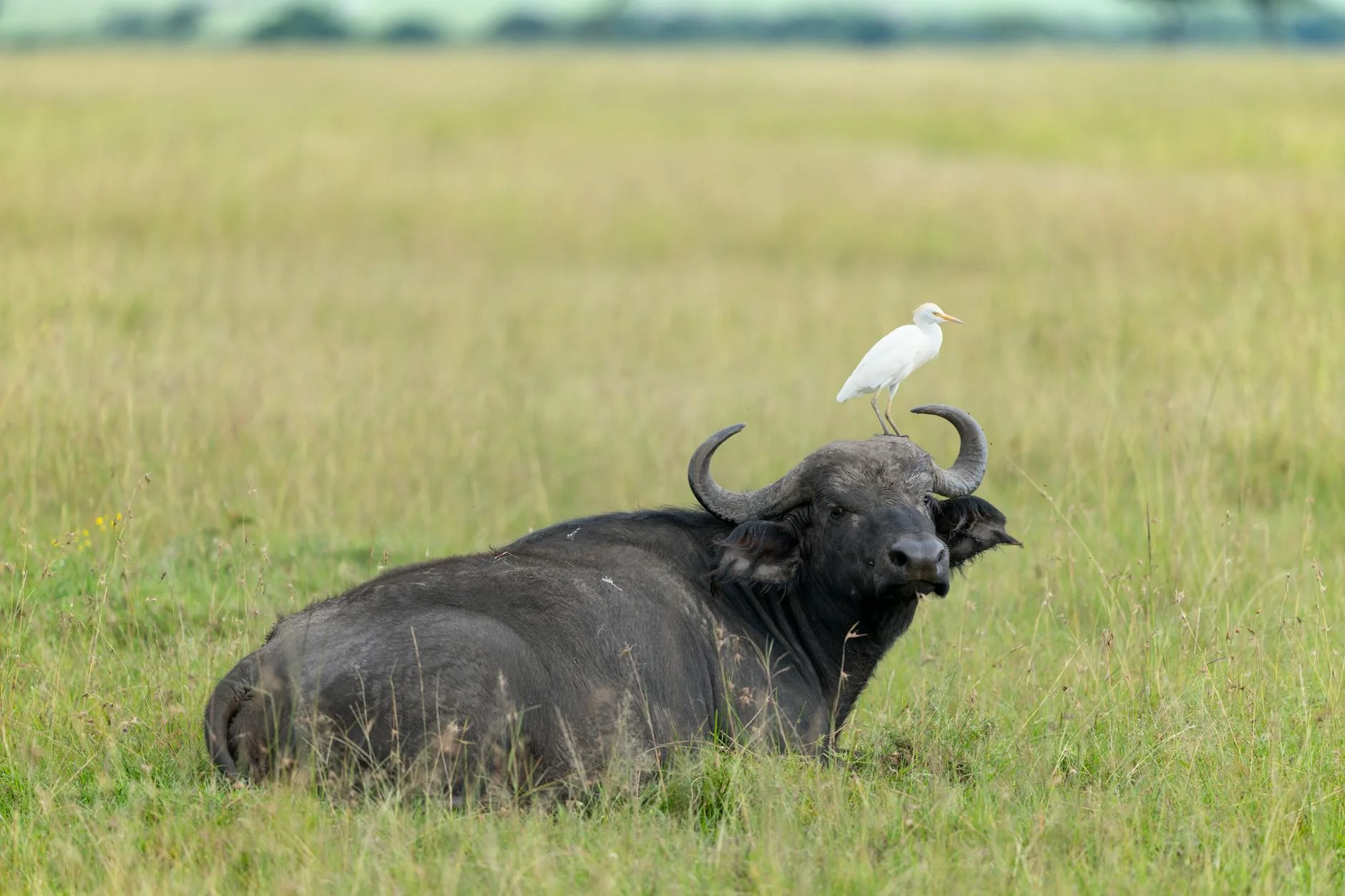
Masai Mara & Serengeti
The Masai Mara and Serengeti support large buffalo populations, and sightings are common. Buffalo are often seen grazing in the open grasslands and are part of the Great Migration, moving with wildebeest and zebra. Large herds are frequently encountered, and buffalo are one of the more reliable Big Five animals to see in these parks.
Learn more about the Masai Mara →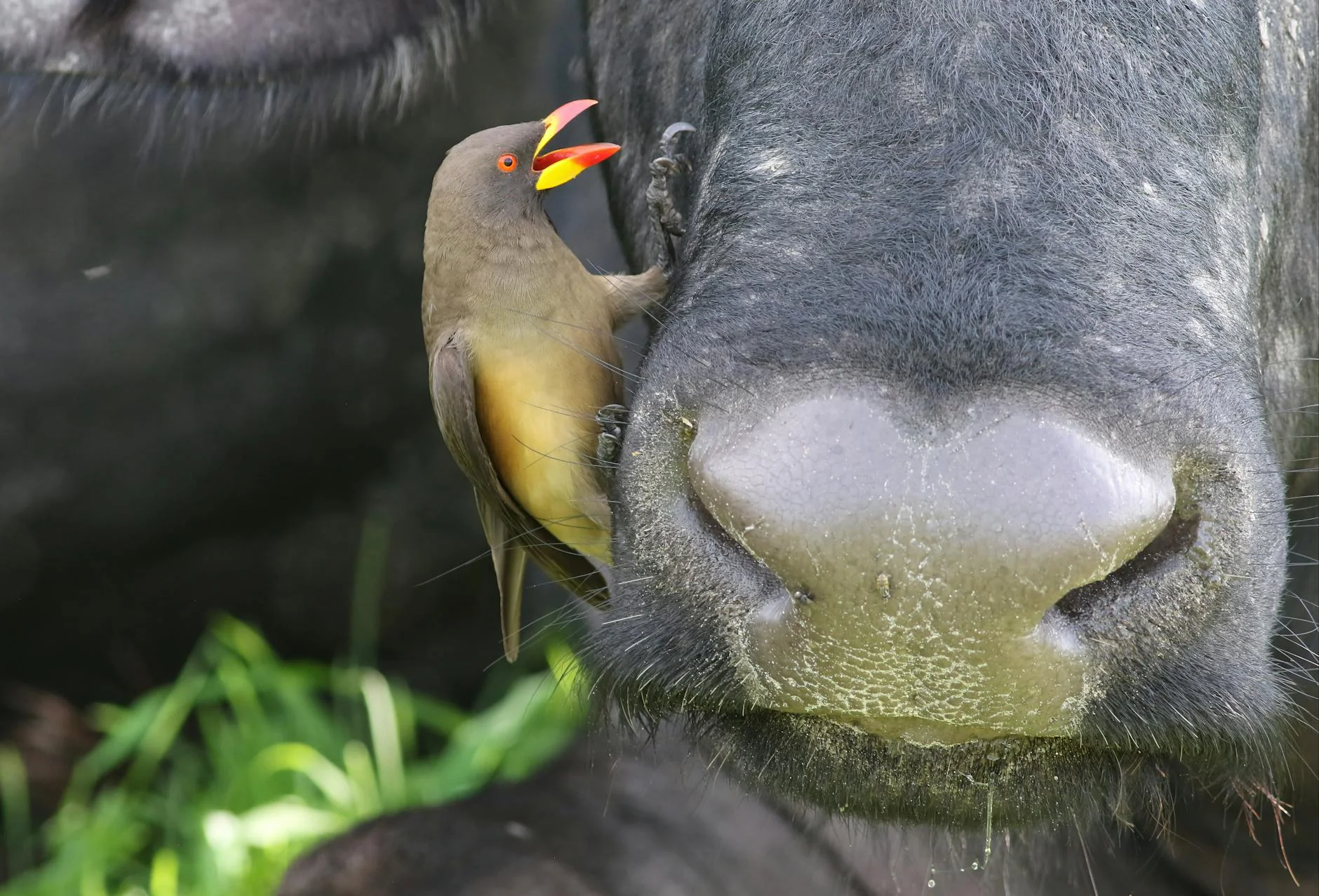
Chobe National Park, Botswana
Chobe National Park has excellent buffalo populations, and large herds are often seen along the Chobe River, especially during the dry season. Buffalo gather at water sources, creating impressive viewing opportunities. The park's open terrain and riverine habitats provide ideal buffalo habitat, and sightings are frequent.
Learn more about Chobe →Best Time to See Buffalo on Safari – Seasonal Viewing Guide
Cape buffalo can be seen year-round in most safari destinations, but certain times offer better viewing opportunities. Understanding seasonal patterns can help you plan the best time to see buffalo on safari.
Dry Season (May-October)
The dry season is generally the best time to see buffalo on safari. As water sources dry up, buffalo concentrate around remaining waterholes and rivers, creating large aggregations. The sparse vegetation also improves visibility. In destinations like Chobe and Kruger, the dry season brings hundreds of buffalo to water sources, creating spectacular viewing opportunities.
Wet Season (November-April)
During the wet season, water is abundant and buffalo may disperse across the landscape. While buffalo are still visible, they may be in smaller groups as they don't need to gather at specific water sources. However, the wet season brings lush green landscapes and is the calving season, offering opportunities to see young buffalo. The wet season also offers fewer crowds.
Time of Day
Buffalo are most active during early morning and late afternoon when temperatures are cooler. Early morning game drives (6-9am) offer the best chances of seeing buffalo grazing or moving. Late afternoon drives (4-7pm) often catch buffalo at waterholes, where they gather to drink and wallow. Buffalo may rest in the shade during the heat of the day but are still visible and often active.
Buffalo Conservation Status – Population and Protection
Conservation Status
Cape buffalo are classified as "Least Concern" on the IUCN Red List, with stable populations in most protected areas. However, they face threats from habitat loss, disease (particularly bovine tuberculosis and foot-and-mouth disease), and human-wildlife conflict. In protected areas, buffalo populations are generally stable or increasing.
Threats and Protection
Major Threats: Disease outbreaks, habitat loss and fragmentation, and human-wildlife conflict (especially crop raiding). Buffalo can carry diseases that affect livestock, leading to conflicts with farmers.
Conservation Efforts: Protected areas provide crucial habitat for buffalo. Tourism plays an important role by providing economic incentives for conservation. Responsible safari tourism funds habitat protection and helps maintain healthy buffalo populations in protected areas.
Cape buffalo are one of the more common Big Five animals, and seeing them on safari supports conservation efforts. When choosing a safari operator, look for those that support conservation and work with local communities to reduce human-wildlife conflict. Your visit helps fund the protection of these powerful animals and their habitats.