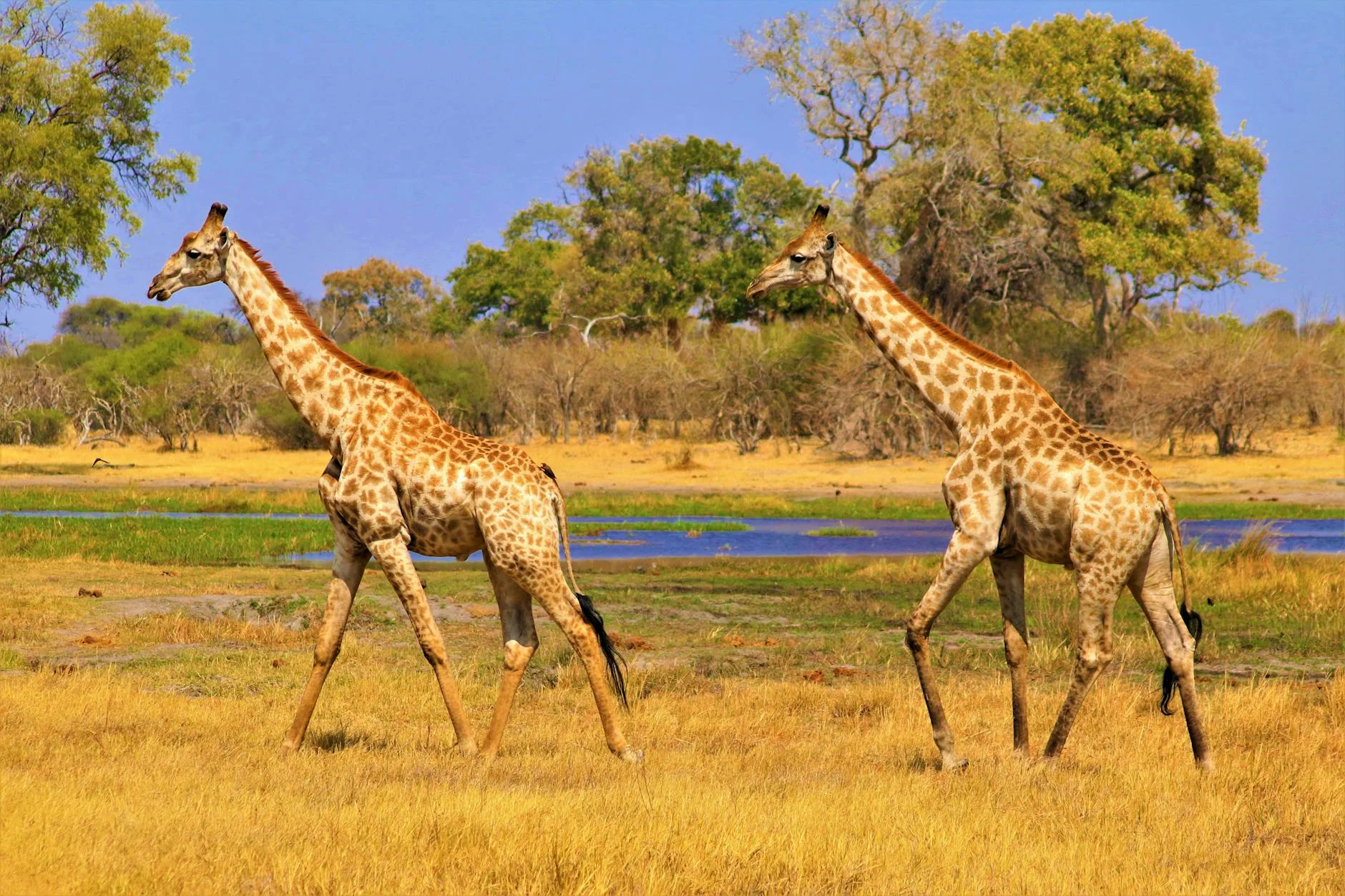
Botswana Safari Destination – Okavango Delta & Chobe
Experience Botswana's exclusive safari destinations, from the unique water-based safaris of the Okavango Delta to the elephant-rich Chobe National Park. Premium tented camps and exceptional wildlife viewing for UK travellers seeking luxury safari experiences.
Botswana suits luxury travellers seeking exclusive experiences, wildlife enthusiasts wanting unique water-based safaris, photographers seeking pristine wilderness, and travellers seeking low-impact, high-value tourism. With its commitment to conservation and sustainable tourism, Botswana offers some of Africa's most exclusive and pristine safari experiences.
Big Five
All present
Water Safaris
Okavango Delta
Flight Time
13-14 hours
Best Season
June-October
Why Visit Botswana?
Botswana offers UK travellers exclusive safari experiences with premium accommodation, exceptional wildlife density, and unique water-based safaris. The country's commitment to low-impact, high-value tourism ensures pristine wilderness areas and exclusive wildlife encounters.
Okavango Delta
Experience unique water-based safaris in the world's largest inland delta, where seasonal flooding creates a unique ecosystem. Mokoro (dugout canoe) trips and boat safaris offer intimate wildlife encounters, while the delta's channels provide access to areas unreachable by vehicle. This UNESCO World Heritage Site offers one of Africa's most unique safari experiences.
Exclusive Experiences
Botswana's focus on low-impact, high-value tourism means fewer visitors and more exclusive experiences. The country limits visitor numbers through high-end pricing, ensuring pristine wilderness areas and intimate wildlife encounters. This approach creates a sense of true wilderness and exclusivity.
Chobe Elephants
Chobe National Park is home to one of Africa's largest elephant populations, with herds numbering in the hundreds. River-based safaris along the Chobe River provide excellent elephant viewing, with large herds coming to drink and bathe. The park also offers excellent Big Five viewing and diverse birdlife.
Premium Camps
Botswana is renowned for its luxury tented camps, offering exceptional service, prime locations, and exclusive experiences. These camps typically have small guest numbers, highly trained guides, and unique activities like mokoro trips and walking safaris. The focus is on providing authentic, comfortable, and memorable safari experiences.
Conservation Excellence
Botswana has a strong commitment to wildlife conservation, with well-managed national parks and private concessions. The country's conservation success stories, including healthy elephant and rhino populations, demonstrate effective wildlife protection and sustainable tourism practices.
Diverse Activities
Botswana offers diverse safari activities including water-based safaris (mokoro and boat trips), traditional game drives, walking safaris, and night drives. This variety allows for a comprehensive safari experience, with different activities revealing different aspects of the ecosystem and wildlife behaviour.
Botswana's Best Safari Regions and National Parks
Botswana's safari destinations are primarily concentrated in the north, with the Okavango Delta and Chobe forming the heart of the safari experience. The country offers both national park and private concession experiences, each with distinct advantages. Private concessions often provide more exclusive experiences, while national parks offer excellent wildlife viewing.
Okavango Delta
Unique water-based safaris in the world's largest inland delta with exceptional wildlife
Best for: Water-Based Safaris, Luxury Camps, Exclusive Experiences, Bird Watching
Chobe National Park
Home to one of Africa's largest elephant populations and excellent river-based game viewing
Best for: Elephants, River Safaris, High Wildlife Density, Photography
Botswana's Premier Safari Parks in Detail
Okavango Delta – Water-Based Safaris
The Okavango Delta is the world's largest inland delta, a UNESCO World Heritage Site covering over 15,000 square kilometres. The delta's unique ecosystem is created by seasonal flooding from the Okavango River, which flows from Angola and spreads across the Kalahari Desert. This creates a unique water-based safari experience, with mokoro (dugout canoe) trips and boat safaris offering intimate wildlife encounters. The delta is at its peak from June to October, when water levels are highest and wildlife congregates around the channels. The best months for delta experiences are July and August, when water levels are optimal for mokoro trips. The delta supports diverse wildlife including elephants, hippos, crocodiles, and over 500 bird species. Private concessions within the delta offer exclusive experiences with small camps and expert guides. The delta's unique ecosystem provides opportunities to see wildlife from both water and land perspectives, creating a comprehensive safari experience.
Learn more about Okavango Delta →Chobe National Park – Elephant Paradise
Chobe National Park is home to one of Africa's largest elephant populations, with herds numbering in the hundreds. The park covers over 11,000 square kilometres and offers diverse landscapes from riverfront to savannah. River-based safaris along the Chobe River provide excellent elephant viewing, with large herds coming to drink and bathe. The best time to visit is during the dry season (May-October) when animals congregate along the river. Chobe also offers excellent Big Five viewing, with lions, leopards, buffalo, and diverse antelope species. The park is particularly known for its large elephant herds and excellent bird watching, with over 450 bird species recorded. Chobe's proximity to Victoria Falls makes it easy to combine with a waterfall visit, creating a comprehensive southern Africa experience.
Learn more about Chobe National Park →Wildlife You Can Expect in Botswana
Botswana is home to an extraordinary diversity of wildlife, from the iconic Big Five to unique species adapted to the delta's water-based ecosystem. The country's well-managed parks and concessions support healthy wildlife populations, making it one of the best destinations for reliable Big Five viewing.
Big Five
Botswana offers excellent Big Five viewing in both the Okavango Delta and Chobe. Lions are common throughout, with large prides often seen. Elephants form massive herds in Chobe, with some of Africa's largest populations. Rhinos are present in protected areas, while leopards and buffalo are widespread. Private concessions often offer higher success rates for seeing all five species.
Water-Based Wildlife
The Okavango Delta's unique ecosystem supports diverse water-based wildlife including hippos, crocodiles, and aquatic birds. Mokoro trips provide intimate encounters with these species, while boat safaris offer opportunities to see elephants swimming and crossing channels. The delta's channels create unique viewing opportunities not available in traditional land-based safaris.
Big Cats
Botswana is renowned for big cat viewing, with high densities of lions, leopards, and cheetahs. The Okavango Delta's diverse habitats support healthy predator populations, while Chobe's riverfront provides excellent lion viewing. Private concessions often provide better opportunities for big cat viewing with expert guides and off-road access.
Birds and Other Wildlife
Botswana boasts over 500 bird species, with the Okavango Delta particularly rich in birdlife. The delta's diverse habitats support everything from waterbirds to raptors. The country also supports diverse antelope species, wild dogs, and other predators. The unique ecosystem creates opportunities to see species adapted to both water and land environments.
Best Time to Visit Botswana for Safari
Botswana's climate and wildlife patterns create distinct seasons, each offering different experiences. Understanding these seasons helps you choose the best time for your interests, whether you're seeking optimal delta water levels, wildlife viewing, or better value.
June–October: Dry Season & Delta Peak
This is Botswana's peak safari season, coinciding with the Okavango Delta at its highest water levels. The delta's channels are fully navigable, making mokoro trips and boat safaris optimal. Wildlife congregates around water sources, making viewing excellent. Weather is dry and sunny, with clear skies ideal for photography. This is the best time for delta experiences and wildlife viewing, though prices are highest and accommodation books early.
Best for: Delta water levels, optimal wildlife viewing, photographers, clear skies
November–April: Wet Season & Green Landscapes
The wet season brings lush green landscapes, excellent bird watching, and lower prices. While wildlife is more dispersed and some areas may be inaccessible, this season offers beautiful scenery and fewer tourists. The delta's water levels are lower, but some areas remain navigable. This period is ideal for birdwatchers and value-conscious travellers, though game viewing can be more challenging.
Best for: Birdwatchers, value travellers, green landscapes, fewer crowds
Practical Travel Tips for UK Travellers
Planning a Botswana safari from the UK involves several practical considerations. Understanding flight options, time differences, currency, connectivity, and travel logistics helps ensure a smooth and enjoyable experience.
Flight Routing
Flights from London to Botswana typically require a connection via Johannesburg (South Africa) or Nairobi (Kenya), taking around 13-14 hours total. Maun is the main gateway for the Okavango Delta, while Kasane serves Chobe National Park. Most safari itineraries include domestic flights from Maun to airstrips near camps, typically taking 30-60 minutes.
Time Difference
Botswana is GMT+2 year-round, meaning it's 2 hours ahead of UK time during GMT and 1 hour ahead during British Summer Time (BST). This time difference is relatively easy to adjust to, and most safari activities start early in the morning, aligning with natural wake times.
Money & Currency
The Botswana Pula (BWP) is the local currency, though US Dollars are widely accepted at lodges, camps, and for tips. Credit cards are accepted at most lodges, but cash is useful for tips and local purchases. ATMs are available in Maun and Kasane, but less common in remote areas. Tipping guides and staff is customary.
SIM Cards & Data
Local SIM cards are available at airports and in towns, with Mascom and Orange offering coverage. Data packages are available but coverage in remote delta areas can be limited. Most lodges offer Wi-Fi, though speeds vary and may be slower in remote locations. Check with your UK mobile provider about roaming packages.
Safari Transfers
Botswana's remote camps are typically accessed by light aircraft from Maun or Kasane, taking 30-60 minutes. These flights provide scenic views over the delta and are included in most safari packages. Road transfers are less common due to the remote locations of many camps. The flight experience is part of the Botswana safari adventure.
What to Pack
Pack neutral-coloured clothing (khaki, beige, olive), layers for early morning game drives, sun protection (hat, sunscreen, sunglasses), binoculars, camera equipment, and comfortable walking shoes. Evenings can be cool, so bring a fleece or light jacket. For mokoro trips, consider a waterproof bag for camera equipment. Most lodges provide laundry services.
View our complete safari packing list →Safety, Health, and Entry Requirements
Botswana is generally very safe for tourists, with well-established safari tourism infrastructure. However, it's important to understand entry requirements, health precautions, and safety considerations before travelling.
Visa & Entry Requirements
UK passport holders do not require a visa for stays up to 90 days in Botswana. However, you must have at least two blank pages in your passport and ensure it's valid for at least six months beyond your intended departure date. Entry requirements can change, so check the latest information before travel.
Learn more about visa requirements →Vaccinations & Health
Yellow Fever vaccination may be required if you're arriving from a Yellow Fever endemic country. Consult your GP or a travel health clinic 6-8 weeks before departure for the latest health advice. Recommended vaccinations may include routine vaccinations (MMR, DTP). Malaria prophylaxis is strongly recommended for all safari areas, with several anti-malarial medication options available. Consult your healthcare provider to choose the most suitable option.
Read our health and vaccination guide →Malaria Precautions
Malaria is present in Botswana's safari areas, so taking anti-malarial medication is essential. In addition to medication, use insect repellent containing DEET, wear long sleeves and trousers in the evenings, and sleep under mosquito nets (provided at most lodges). The risk is generally lower during the dry season, but precautions should be taken year-round.
Travel Insurance
Comprehensive travel insurance is essential for any Botswana safari. Ensure your policy covers medical expenses, emergency evacuation (important for remote safari areas), trip cancellation, and loss of belongings. Check that your policy covers adventure activities and verify coverage limits, particularly for medical evacuation, which can be expensive from remote locations.
Read our travel insurance guide →Safari Safety
Safari activities are generally very safe when following your guide's instructions. Always stay in your vehicle during game drives unless your guide explicitly permits you to exit. For mokoro trips and walking safaris, listen carefully to safety briefings. Lodges and camps have security measures in place, and guides are highly trained in wildlife behaviour and safety protocols.
Culture & Local Experiences
Botswana's rich cultural heritage adds depth to any safari experience. Understanding the relationship between local communities and wildlife conservation enhances appreciation for the landscapes and animals you'll encounter.
Local Cultures
Botswana is home to diverse cultures, with the Tswana people being the largest ethnic group. Many safari areas have local communities living alongside wildlife, and some lodges offer cultural visits to local villages. These experiences should be respectful and educational, supporting community initiatives rather than exploitative tourism.
Conservation Initiatives
Botswana has strong conservation initiatives, with many areas managed for wildlife protection. Community-based conservation programs support both wildlife and local communities. Many concessions are managed in partnership with local communities, ensuring that tourism benefits both conservation and people.
Markets & Cities
Maun and Kasane are the main gateway towns for Botswana safaris, offering markets, restaurants, and basic services. These towns are typically transit points rather than destinations, with most time spent in remote camps. Local markets offer handicrafts and souvenirs, supporting local artisans.
Victoria Falls Extension
Chobe's proximity to Victoria Falls (approximately 1 hour drive) makes it easy to combine safari with a waterfall visit. Many travellers combine Botswana safari with Victoria Falls, creating a comprehensive southern Africa experience. The falls are most spectacular from March to May, though they can be visited year-round.
Where to Stay: Botswana Safari Accommodation Styles
Botswana is renowned for its luxury tented camps, offering exclusive experiences in pristine wilderness areas. Understanding the different accommodation options helps you choose what matches your preferences and desired safari experience.
Luxury Tented Camps
Botswana is famous for its luxury tented camps, typically located in private concessions within the Okavango Delta. These camps offer spacious tents with en-suite facilities, excellent service, and prime locations. They typically have small guest numbers (8-12 guests), highly trained guides, and unique activities like mokoro trips and walking safaris. The focus is on providing exclusive, intimate safari experiences.
Water-Based Camps
Camps located in the Okavango Delta's permanent water areas offer unique water-based safari experiences. These camps provide access to mokoro trips and boat safaris, allowing for intimate wildlife encounters from the water. The camps are typically accessible only by light aircraft and boat, creating a sense of true remoteness and exclusivity.
Land-Based Camps
Camps located in areas with seasonal water offer both land and water activities, depending on the season. These camps provide traditional game drives as well as water-based activities when water levels permit. They offer a comprehensive safari experience with diverse activities and wildlife viewing opportunities.
What "Luxury" Means in Safari Context
Luxury in Botswana's safari context means exceptional service, prime locations, exclusive experiences, and attention to detail. Luxury camps typically offer smaller guest numbers, highly trained guides, excellent food, and unique experiences like private mokoro trips or bush dining. The focus is on providing an authentic, comfortable, and memorable safari experience rather than opulent decor.
Family-Friendly Accommodation
Some camps in Botswana welcome families, though age restrictions may apply for certain activities like walking safaris or mokoro trips. When travelling with children, consider camps that welcome families and offer appropriate activities. The remote locations and small camp sizes mean that family experiences are typically intimate and exclusive.
Frequently Asked Questions
What makes Botswana a great safari destination?
When is the best time to visit Botswana?
What wildlife can I see in Botswana?
How do I get to Botswana from the UK?
How many days do I need for a Botswana safari?
Is Botswana safe for tourists?
Ready to Plan a Botswana Safari Holiday?
If you're ready to turn this destination knowledge into a real trip, we can help you plan a tailor-made Botswana safari holiday from the UK. Our team creates custom itineraries combining the best areas, luxury camps, and expert guides to match your interests, budget, and travel style.
View Botswana Safari Holidays